Data, tenacity, in-depth knowledge of fleet applications, and good relationships with end user agencies are key elements in advocating for replacement vehicles, according to Kelly Reagan, fleet administrator for the City of Columbus, Ohio, division of fleet management.
Reagan, a 30-plus year industry veteran, has employed that approach with his 6,500-vehicle fleet.
Advocating for All City Department Fleets
While most public sector fleets fall under a general services administration group, the Columbus fleet management division operates under the city’s director of finance.
“That’s a good thing,” said Reagan, “Because now I can advocate for the entire city — police, fire, public works, construction, parks and recreation, public utilities. It increases my scope of responsibility.” And it enables him to extend best practices throughout the city’s fleet operations.
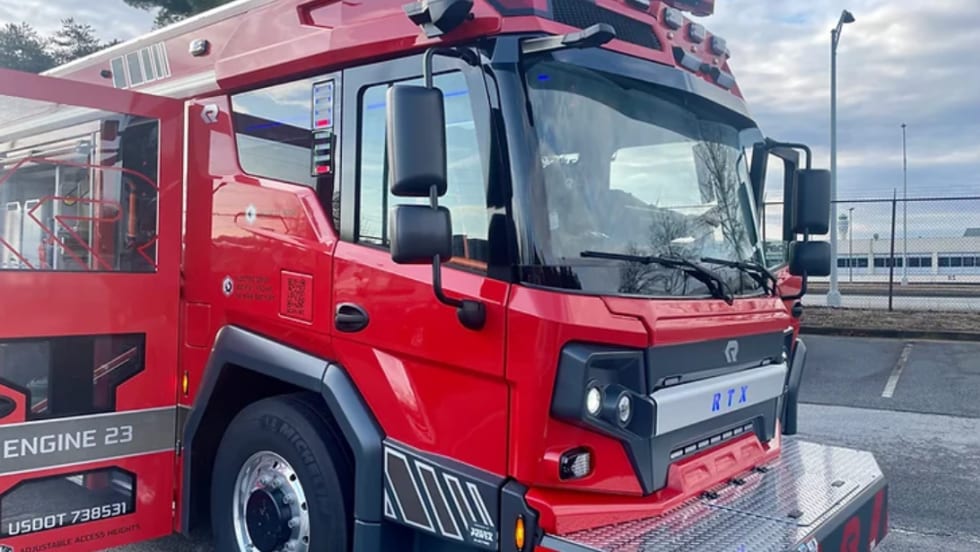
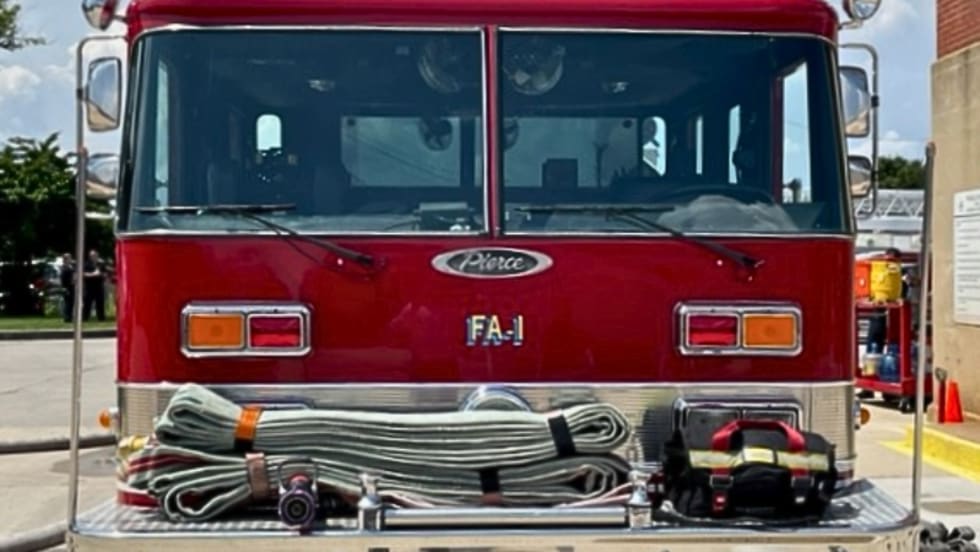
When he began with the city of Columbus, none of the department fleets had a vehicle replacement standard, and 80% of the entire city’s fleet was out of lifecycle. For example, ladder trucks were 23 years old; 20-year-old police cars bore rusted-out floors, and the list went on with almost every category of vehicles/equipment well beyond their useful life cycles.
The budget process was imperfect. Each city department tried to determine which vehicles needed replacements and the funding it required; staff filled out a form and submitted it to budget analysts in finance. More worrisome, Reagan found many city department staff were unfamiliar with specific factors of their own fleet operations, such as fuel costs or replacement funding requirements.
Finding the Right Vehicle Replacement Standard
In one example, Reagan related a staff member’s response when asked the group’s replacement fund amount. “I don’t know,” the staffer said. “I always get what’s left over. So I never know what I’m going to get." Reagan's reaction: "This is no way to plan for your operation!"
When coming up with a plan on how to advocate for vehice replacements to City of Columbus leaders, Reagan's team came up with this fleet replacement standard.
A replacement standard was “the first thing we needed,” Reagan determined. The standard he developed is driven by data: duty cycles, regression analysis based on maintenance costs and years in service, total lifecycle costs, etc.
Reagan next met with finance. “Why are different departments submitting what they need for fleet, when I already know what they need based on our replacement standard and our own data?” he asked. “I will drive the data and show you, based on data, what needs to be replaced — fleet will present an annual plan for all departments."
He urged finance, “Let me advocate for each department’s money and show them where they need replacement vehicles. And I will submit to you an annual budget of a buy plan.”
Backed by solid data, Reagan made a convincing case to city leaders, and while “they often didn’t give me the entire amount I asked, we got significantly more money than we had in previous years.” With a dynamic replacement standard in place that accounts for changes and new challenges, the city of Columbus fleet now boasts 80% of vehicles within lifecycle.
Building Consensus with End User Agencies
“Know the fleets better than the end user agencies,” their mission, applications, vehicles and equipment, and duty cycles, Reagan encouraged. “Fleet becomes their biggest advocate by knowing even more about their fleet than they know.”
Although at first he faced “newcomer” resistance with user agency staff, Reagan met with each department’s fleet staffers and gradually earned their confidence.
For example, he described the fire department’s long-sought request for a skid loader for the firefighter's training academy. “What are your firefighters going to do with a skid loader that could take out half a building rather quickly?” Reagan asked.
The fire department explained that when training groups of 40-50 firefighters, a significant amount of material, including wooden pallets, old cars, etc. is burned. In the clean-up process, trainees were often injured — “a rusty nail, a foot crushed.” The skid loader would improve safety, picking up debris and loading it onto trucks.
Reagan included skid loader in his buy plan, got finance approval and “four months later, they had their skid loader.”
Kelly Reagan, fleet administrator for the City of Columbus, Ohio, division of fleet management, spoke at GFX about ways to advocate for vehicle replacements to your finance department.
Collaborative Planning: Matching Vehicles to Applications
Replacing 10-passenger vans with five people-movers elicited appreciation from the parks and recreation staff, who said to Reagan, “You’re gonna give me people movers so I can move elderly riders who can actually hold handrails and sit down comfortably?” They were “tickled to hear I had their concerns at heart and had the budget to meet their needs,” Reagan recalled.
“I’m advocating for them, because guess who they come to see when they don’t get replacements? Fleet,” he said. “Along with that authority comes a lot of responsibility. You have to be their mouthpiece. You have to walk the talk. They’re counting on you to tell their story. And you should tell their story convincingly.”
Behind closed doors, Reagan and his team conduct annual negotiations with each agency, matching vehicles to applications. “We lay out what they need. We put complete metrics together and develop an annual buy plan.” He then submits the plan to finance, “always leaving the agencies a caveat: this plan isn’t in stone; it may be less, maybe a little more, but this is what we’re going to advocate together.”
To counter city leadership tendencies to suggest repairing out-of-cycle or worn out vehicles, Reagan recommended using regression analysis data — determining the point of diminishing returns — to illustrate the economic infeasibility of repair versus replace.
“Be the squeaky wheel that gets oiled,” Reagan urged. “You ask, and you ask, and you ask until you can’t ask any more and you get the funds you need.”
Editor's Note: This article was originally published in July 2022 and has been updated for continued relevancy on best practices for vehicle replacement.
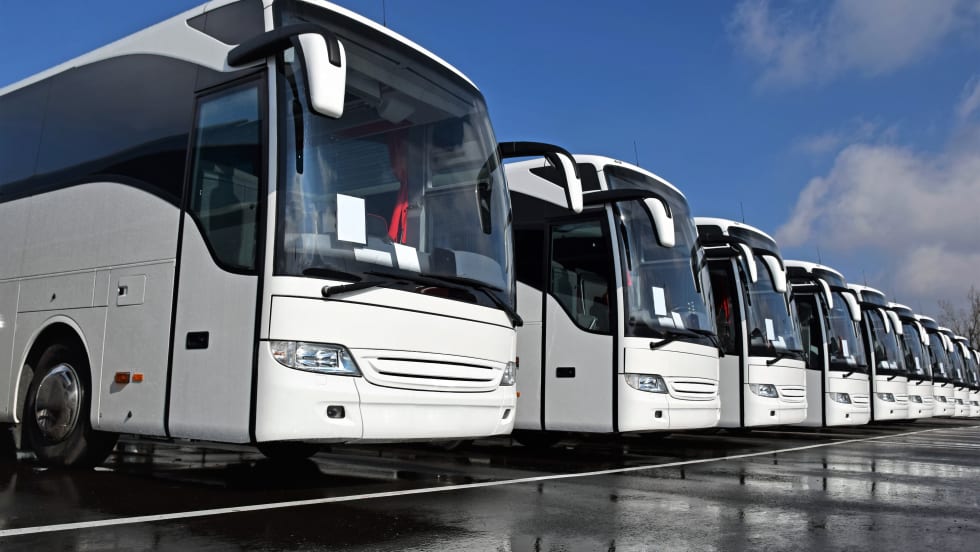

![Officer Anthony Catania, of the Frankfort Police Department, became the first officer to hit the streets in Kentucky through the M-2-LE program.[|CREDIT|]PHOTO: Frankfort Police Department](https://assets.bobitstudios.com/image/upload/f_auto,q_auto,dpr_auto,c_fill,w_980,h_552/pm.cantania-02_1759887421355_f2jvs0.jpg)