Emergency response fleets serve a wide range of departmental needs, and the teams that oversee these vehicles are responsible for keeping units ready to roll at a moment’s notice. Add last-minute emergencies, and there is little room for delays.
Knowing what is needed and the most effective ways to get work done is critical to meeting operational demand. Because this topic could fill multiple pages, we’ve broken it down into 10 key areas that can serve as a starting point for evaluating your emergency fleet needs.
10 Emergency Response Takeaways for 2026
Understand where AI-driven software fits: AI-enabled, software-based emergency vehicle prioritization can support real-time routing and cross-agency data sharing. Fleet teams should evaluate what fits their operation, including models that can reduce reliance on proprietary hardware and its associated lifecycle costs.
When plan updates matter: Fleets often revisit emergency response plans after activations and on a set review cycle, using after-action findings and recent operating experience to refine what the plan covers.
When a rewrite is needed, not just a refresh:Bringing on new systems and assets can introduce new failure points and dependencies that need to be documented in the plan, including power-loss procedures, alternate fueling and charging options, data access and security controls, and who owns specific actions during an activation.
What the policy shift changes for fleets: Greater emphasis on locally documented readiness and coordination, with preparedness records positioned to influence eligibility for some future funding decisions.
What budgeting needs to account for: Emergency readiness and replacement planning may need to move into core operating and capital forecasts, especially for grant-funded assets that tend to age out on the same timeline.
Why “non-routine” regions still need disaster playbooks: Recent events showed that severe weather and other incidents have affected areas not typically built around repeat disaster cycles, which can expose gaps in fleet readiness assumptions.
What tends to break first during activations: Communications and fuel system operability were identified as early pressure points, which drove changes such as backup power for fueling, priority fueling access plans, and alternate methods to account for network failures.
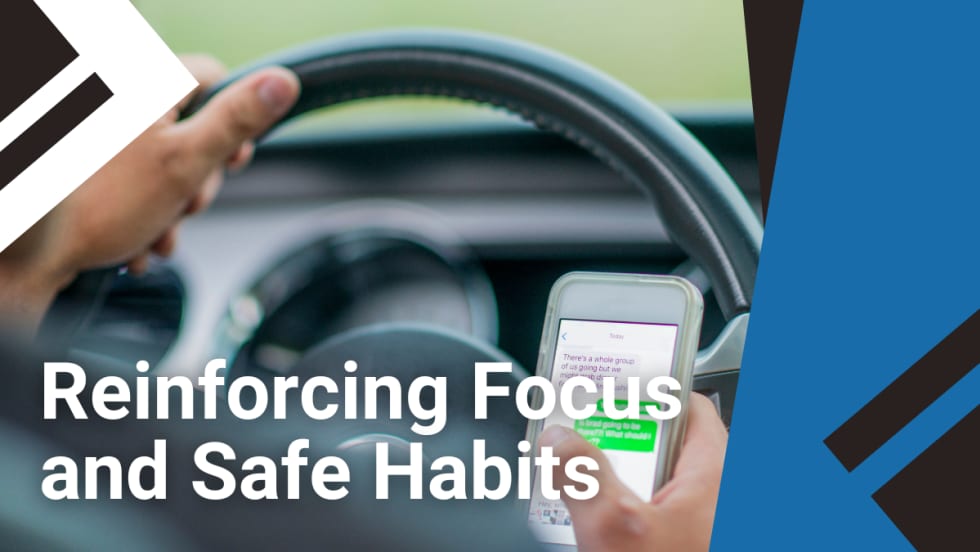
Prioritize roadway-risk mitigation in patrol fleet planning: Use motor-vehicle incident data to guide technology and policy decisions aimed at reducing in-vehicle distraction and improving safety during intersection approaches and roadside work.
Tighten disaster-claim readiness before the next event: Keep insurer-facing unit records current and maintain a consistent loss-assessment and documentation process so claim reporting and recovery can move faster under disrupted operating conditions.
Clarify emergency command and reporting early: Route fleet movements and status updates through an established command structure so dispatch has a single source of truth on where assets are staged, what is disabled, and what support is needed as conditions change.