





AAA forecasts that more than 122 million Americans will travel at least 50 miles between Dec. 20 and Jan. 1, marking a new travel volume high. Driving remains the dominant mode of transport, with over 109 million expected to hit the road.
Higher travel volumes mean increased congestion on major corridors, particularly:
The weekend before Christmas
Post-holiday return days such as Dec. 26–27
These peak periods may result in delays and increased crash exposure for fleet vehicles.
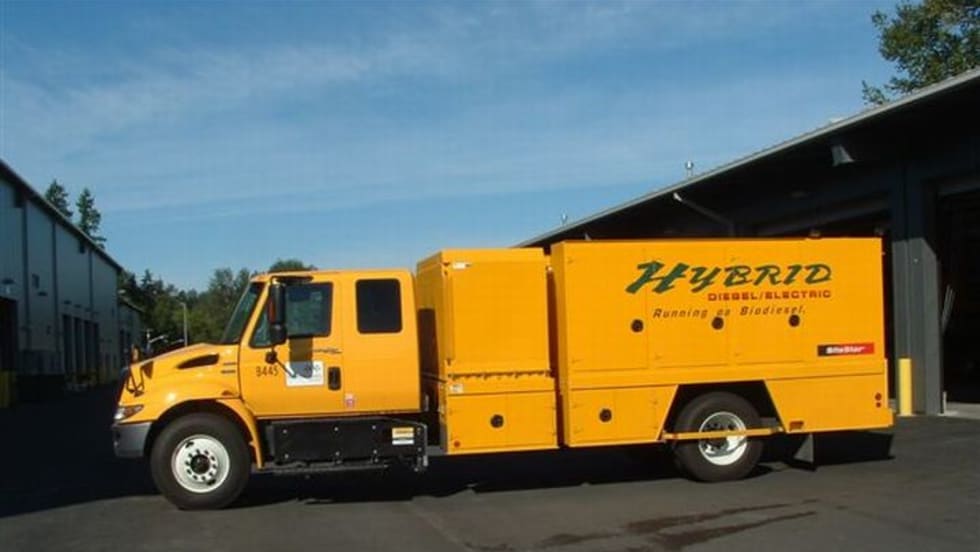
Photo: Mercury Associates Inc.
Holiday periods often coincide with winter weather systems that can quickly degrade road conditions. Snow, ice, and slush not only slow traffic but also increase the risk of vehicle incidents that require response from public safety fleets.
Best practice considerations for winter operations:
Maintain Your Vehicle: Check the battery, check your tires, check windshield wipers, keep your windows clear, and make sure your vehicle's fluids are all topped off (no-freeze windshield fluid, antifreeze, oil, etc.)
Make Sure You Bring: A flashlight, jumper cables, abrasive material in case you get stuck on ice (sand, kitty litter, even floor mats), shovel, snow brush and ice scraper, warning devices (like flares), and blankets. For long trips, ensure you have food and water, any necessary medication, and cell phone chargers.
Stopped or Stalled: Stay in your car! Put on your hazard lights, place bright markers on the antenna or windows, and shine a light into the dome. If you run your car, clear the exhaust pipe and run it only long enough to warm it.
Plan Your route: Allow plenty of time (check the weather and leave early if necessary), be familiar with the route, and let others know your expected arrival time.
Common Risk Factors During the Holidays
Photo: Mercury Associates Inc.
Traffic Congestion
Record travel means more cars on highways and urban arterial roads, particularly:
Major commuter corridors during peak departure windows
Interstates near metropolitan areas
Higher traffic density increases the chance of minor impacts and secondary collisions.
Driver Fatigue and Distraction
Holiday travel often translates to long trips, resulting in:
Increased driver fatigue
Heightened distraction rates (e.g., navigation, phones)
Tighter schedules lead to risky behaviors
These elements correlate with higher incident rates on congested, seasonal traffic.
Winter Weather Hazards
Cold season conditions like ice, snow, and sleet reduce traction and visibility — two contributors to winter collisions. Fleet operators should:
Check tire tread and pressure frequently
Ensure de-icing tools and safety gear are onboard
Train drivers on winter hazard avoidance techniques
Fleet Preparation Checklist for Safe Holiday Operations
To manage risks tied to record travel and winter weather, consider the following strategies:
Route and Timing Planning
Identify peak traffic days and avoid high-volume windows where possible
Use real-time traffic data to optimize dispatching
Communicate estimated arrival times to stakeholders
Driver Safety Protocols
Encourage regular breaks for long trips
Reinforce defensive driving best practices
Provide winter driving refreshers for newer drivers
Holiday travel is not only busier but also riskier. According to data collected by Allstate, holiday periods see a spike in roadside assistance events, with the busiest day being December 26th and the longest tow distances on Christmas Day.