


Thi Dao is the former executive editor of Government Fleet magazine.

Thi Dao
Former Executive Editor
 MENU
MENU SEARCH
Former Executive Editor
Thi Dao is the former executive editor of Government Fleet magazine.

Many fleets have a list of vendors they can call for outsourced work. What if this list isn’t enough?
Read More →
The City of Jamestown, N.Y., plans to update its fleet structure and eventually centralize its fleet management. To do this, the fleet would need a larger maintenance facility and additional staff members.
Read More →Your vehicles may paint a certain picture of the fleet and even the public agency. Is the picture a positive or a negative one?
Read More →
The days of “dumb” electric vehicle (EV) chargers may soon be over. Here are six new or upcoming technologies that can change the way you charge your vehicles.
Read More →
From becoming a more environmentally friendly shop to increasing utilization and right-sizing vehicles, fleets can take a number of steps for a cleaner fleet and operation.
Read More →
There aren’t any “ghost cars” in the Lubbock, Texas, Police Department. When the motorcycle fleet retires in the evenings, clearly-marked Ford Mustangs take their place.
Read More →
Fleets with warranty repair programs say they can reduce downtime, provide better customer service, and improve operational efficiency. Others say it’s not a good fit for their fleets. Where does your fleet fall?
Read More →It is probable that distracted drivers will not get caught and will not learn anything until something terrible happens. We know it, and they do too, so it continues happening.
Read More →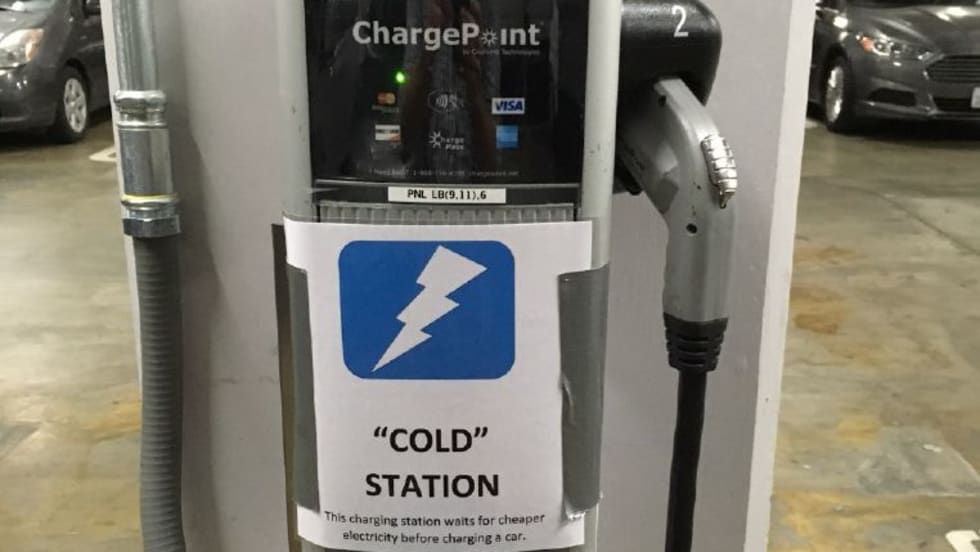
Alameda County, Calif., is working on an electric vehicle (EV) charging pilot. Called the Smart Charging Pilot Program, it allows the building’s EV chargers to communicate and the DC fast charger to override other chargers when it’s in use.
Read More →
A new electric vehicle (EV) adoption feasibility study of the City of Minneapolis’ fleet found that a slow transition to electric vehicles over the next 10 years could result in operational savings.
Read More →