




The average fleet professional salary is $98,514, with the median being $97,500 annually. Thirty-eight percent of respondents said they plan to retire in the next four years.
2021 Salaries and Retirement Plans
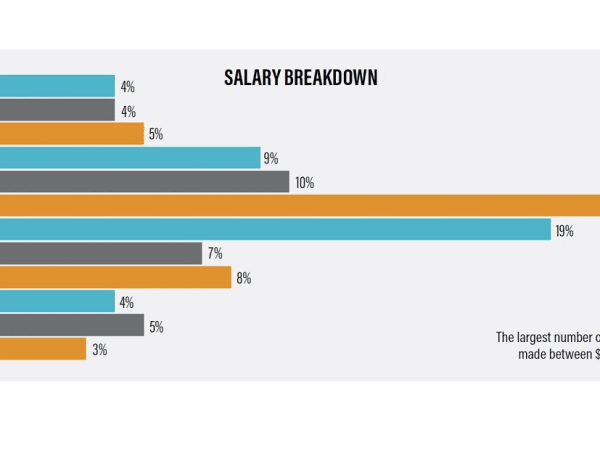
The largest number of respondents (41%) made between $90,001 and $110,000. The average salary reported ($98,514) is 4.6% higher than the average reported two years ago ($94,173).
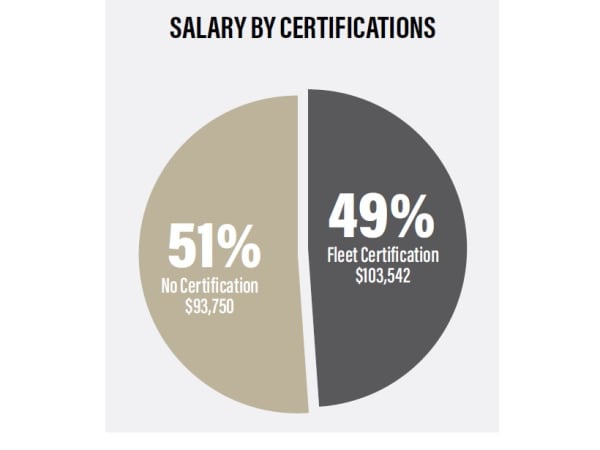
Those with active fleet management certifications* (including CAFS, CAFM, CEM, and CPFP) reported higher salaries than those with none. This year, more managers with fleet certifications responded to the survey.
*The Certified Automotive Fleet Specialist and Manager (CAFS and CAFM) certifications are provided by the NAFA Fleet Management Association. The Certified Public Fleet Professional (CPFP) certification is provided by the American Public Works Association, and the Certified Equipment Manager (CEM) certification is provided by the Association of Equipment Management Professionals.
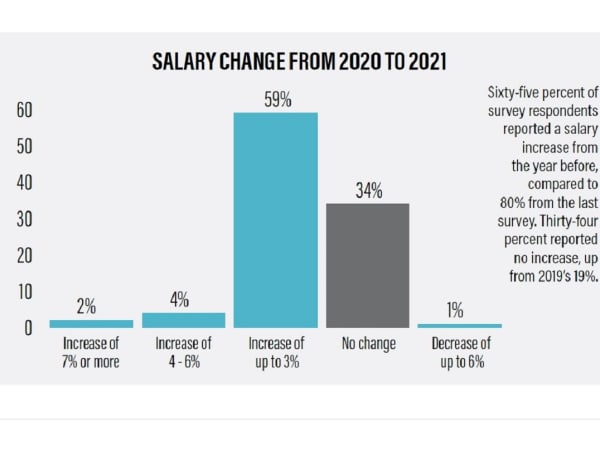
Sixty-five percent of survey respondents reported a salary increase from the year before, compared to 80% from the last survey. Thirty-four percent reported no increase, up from 2019’s 19%.
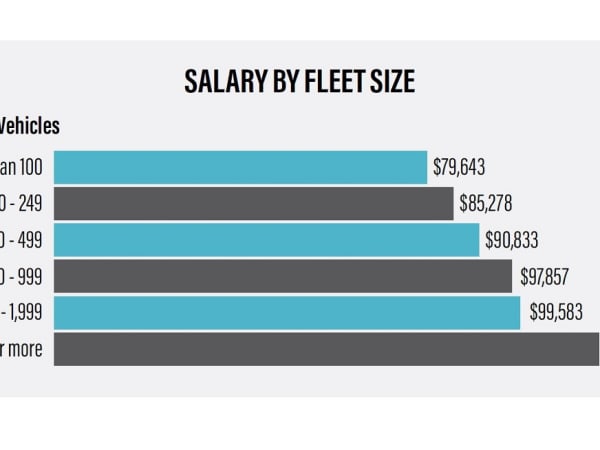
The average salary correlates with the number of vehicles managed, with those managing more vehicles earning more.
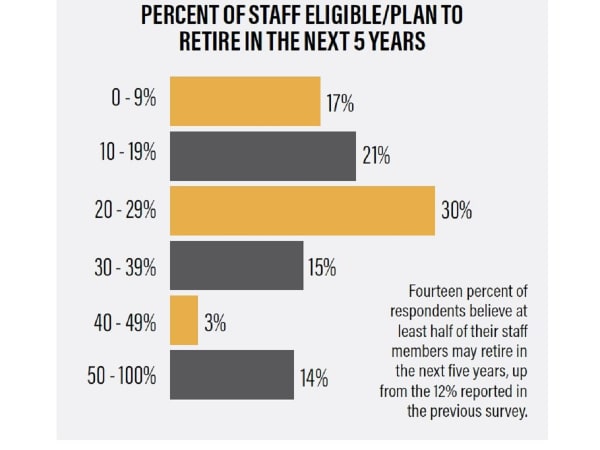
Fourteen percent of respondents believe at least half of their staff members may retire in the next five years, up from the 12% reported in the previous survey.
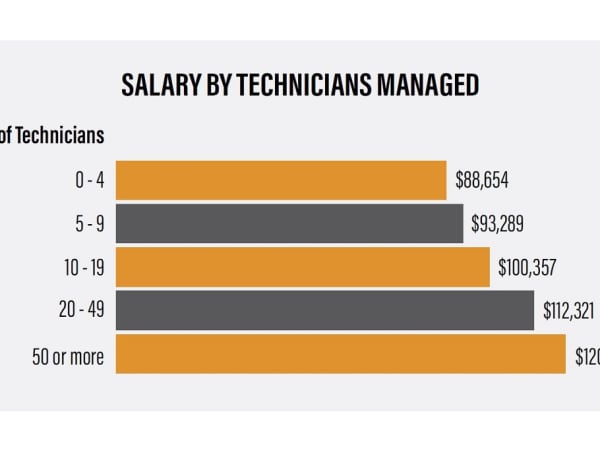
Those managing more technical staff members are paid more on average.
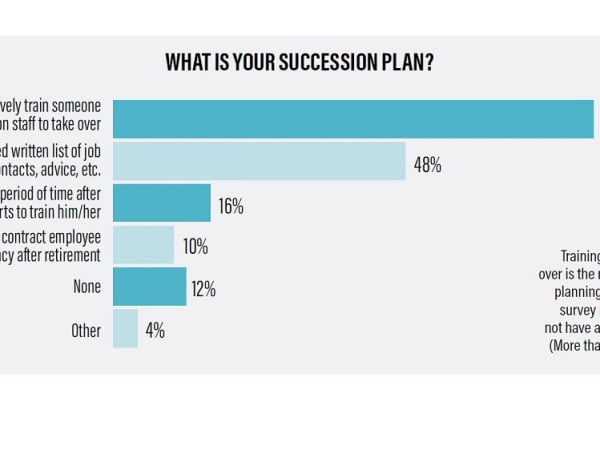
Training someone on staff to take over is the most common succession planning method. However, 12% of survey respondents said they did not have a succession plan in place. (More than one response possible.)
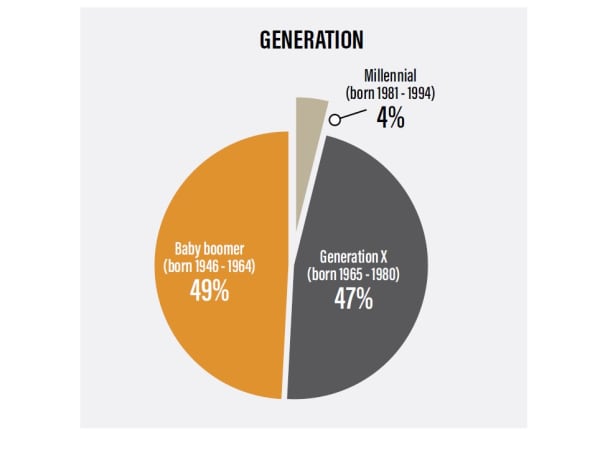
Nearly all survey respondents were either baby boomers or from Generation X, with Millennials making up only 4% of respondents.
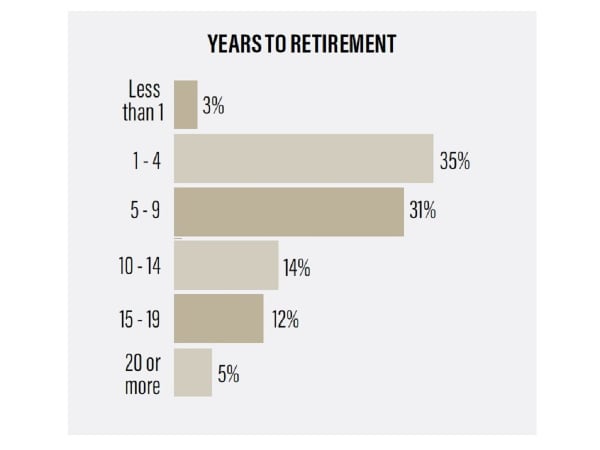
Thirty-eight percent of respondents said they plan to retire in the next four years, higher than the 35% of respondents from two years ago.
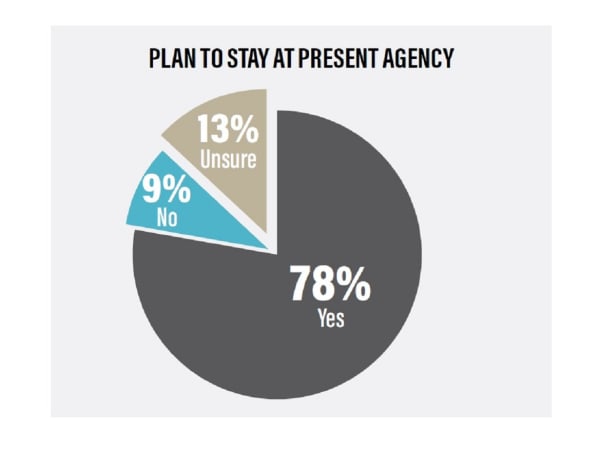
Respondents were asked if they plan to stay at their agency until retirement. This year, 78% said yes, higher than the 71% of respondents previously surveyed.