




The California Highway Patrol uses an assembly line to set up its law enforcement vehicles to achieve uniformity with the location and type of equipment so officers will know where to find buttons and equipment during a dynamic, evolving scenario. Capt. Steve Mills, fleet operations commander, showed us the operation. Read the full story here. Photos by Paul Clinton.
CHP's Vehicle Assembly Line
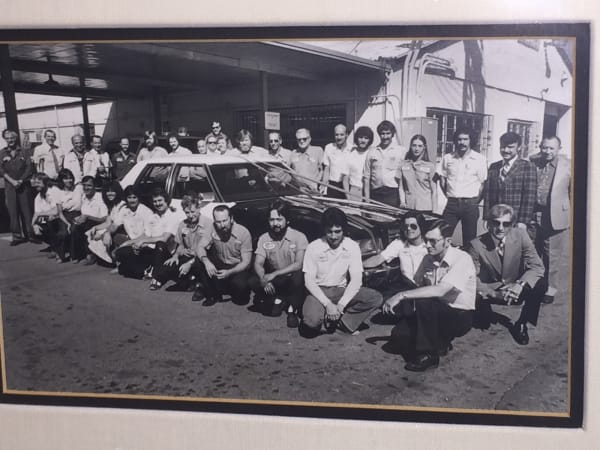
Representatives from Swift Dodge in Davis visit the CHP facility after winning the contract to provide patrol sedans. A CHP Dodge St. Regis is pictured (circa 1980).
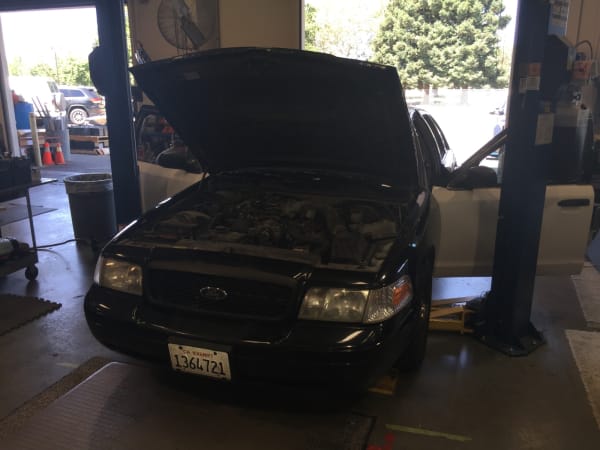
This vehicle was taken out of service and had all police equipment removed. It was then headed to public auction on site.
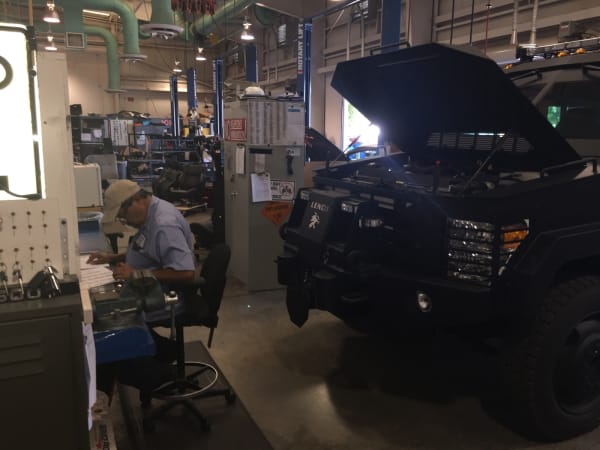
The shop adds equipment to a variety of vehicles, including tactical Lenco BearCat armored vehicles.
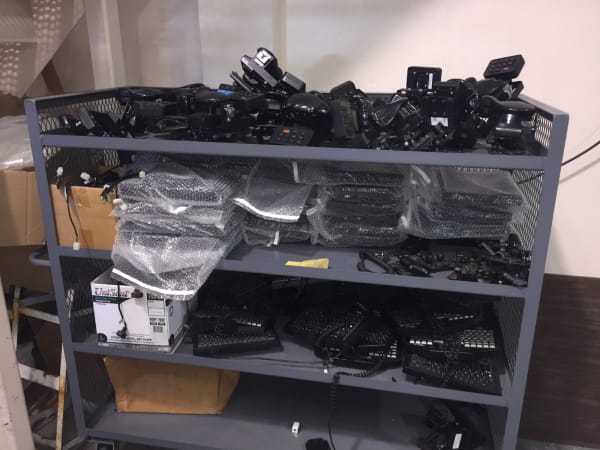
Radios that have been pulled out of existing patrol vehicles must be tested before they can be reused.
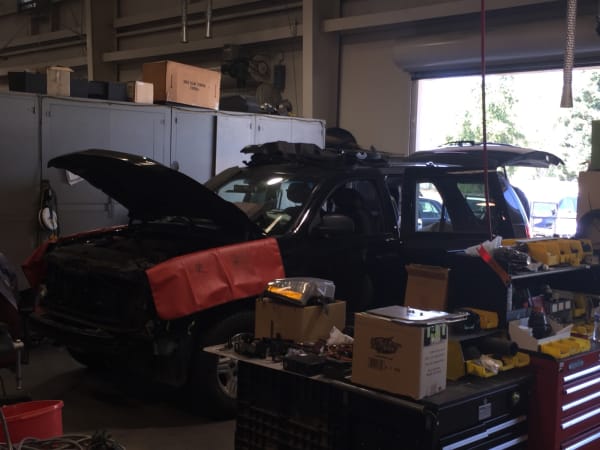
unique vehicles are equipped in the Special Projects Section. This one will serve with the Governor’s Protection Detail.
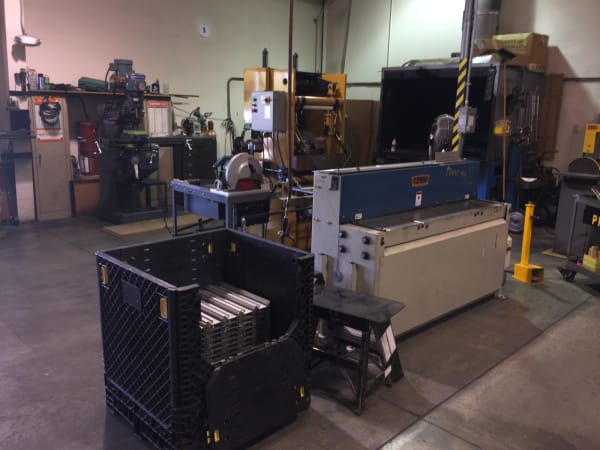
The shop can create its own brackets and mounting hardware in a fabrication area.
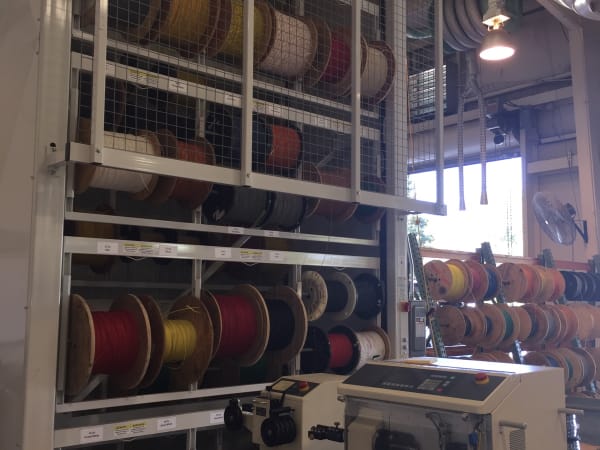
A push-button-operated wire storage carousel keeps wiring organized.
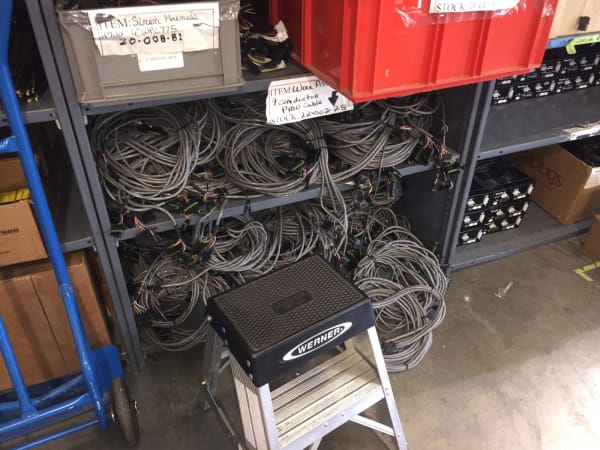
These wiring coils have been pulled out of existing vehicles and will be recycled.
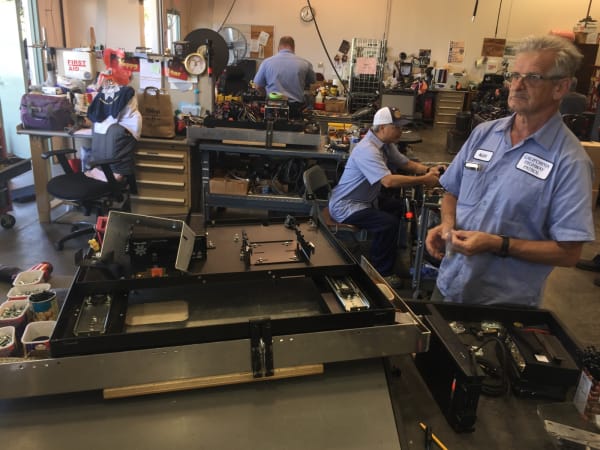
In one area, technicians set up communication trays that will be installed in the trunk.
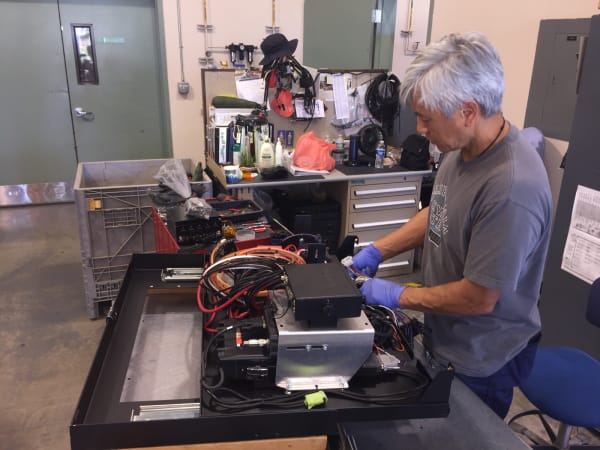
The communications trays weight about 246 pounds.
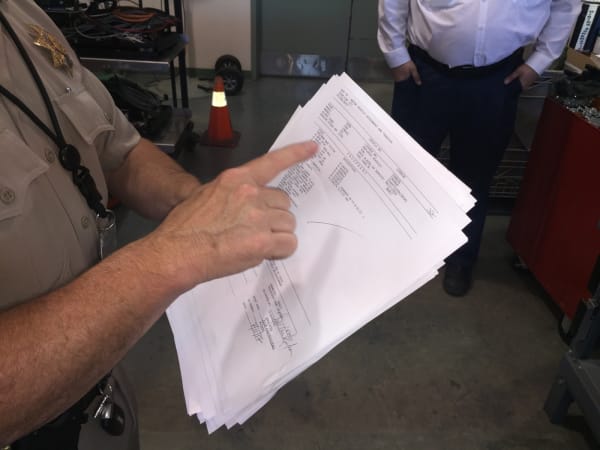
Each vehicle gets a job order that specifies what equipment it gets.
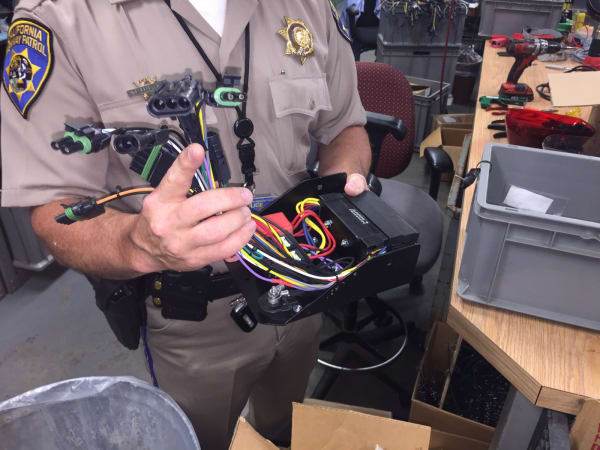
The shop makes its own wiring harnesses.
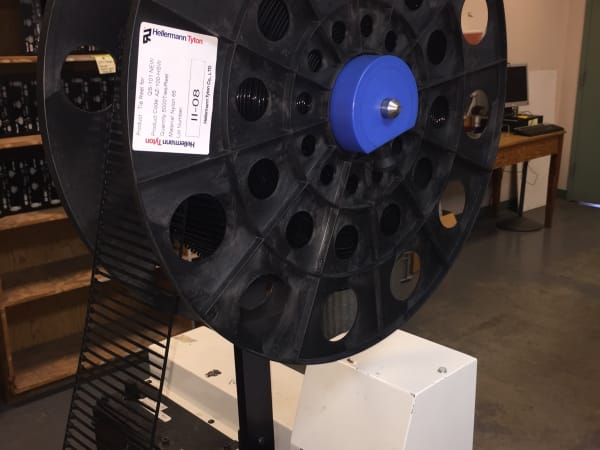
A machine that looks like a film projector applies wire ties to finished wiring harnesses.
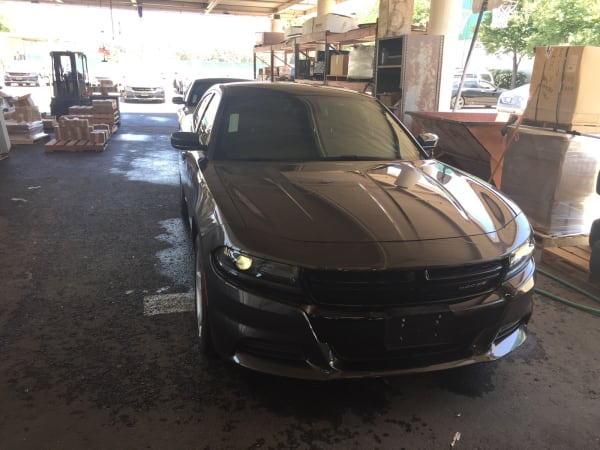
Unmarked commander units also go through the assembly line.
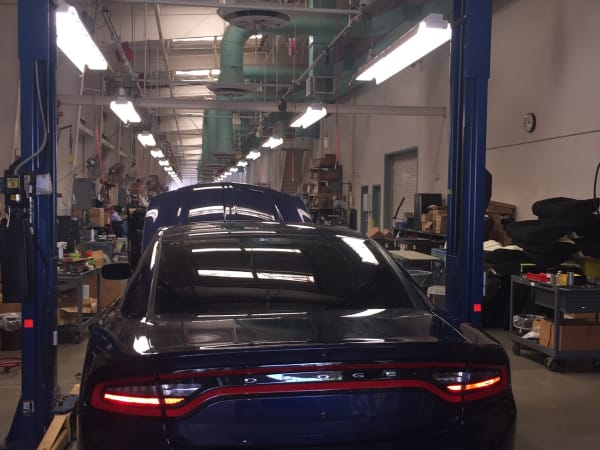
Here's a closer look at where a vehicle starts the upfitting process.
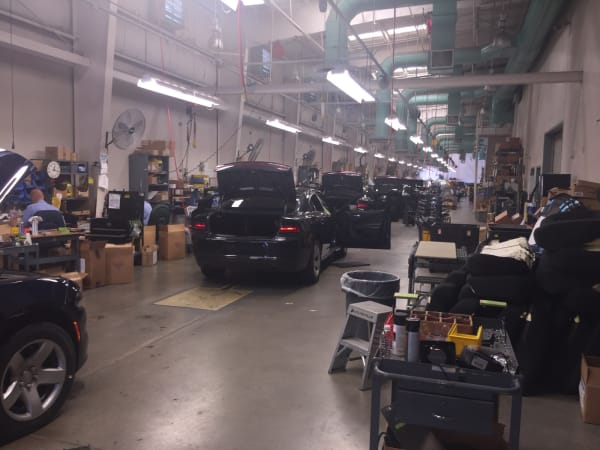
Vehicles stop at various stations along the line for wiring, lightbars, radios, and more.
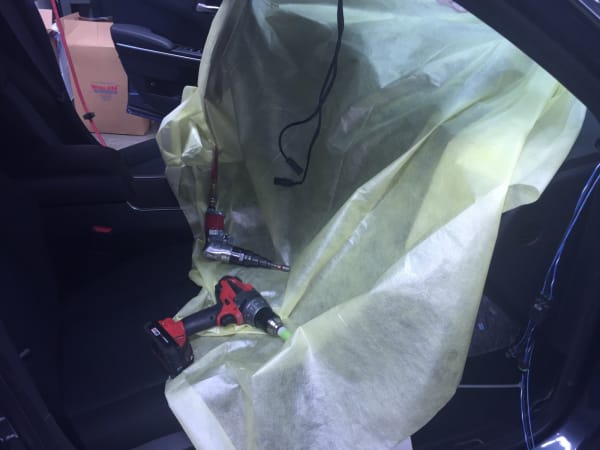
A vehicle's headliner and roof carpeting must be taken out.
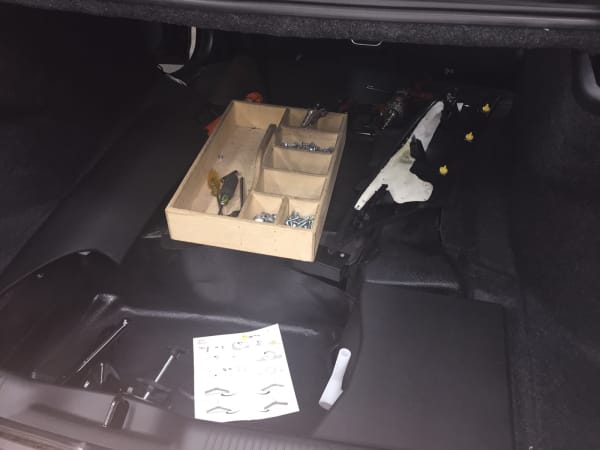
Technicians must remove the carpeting in the trunk to run wires and install brackets.
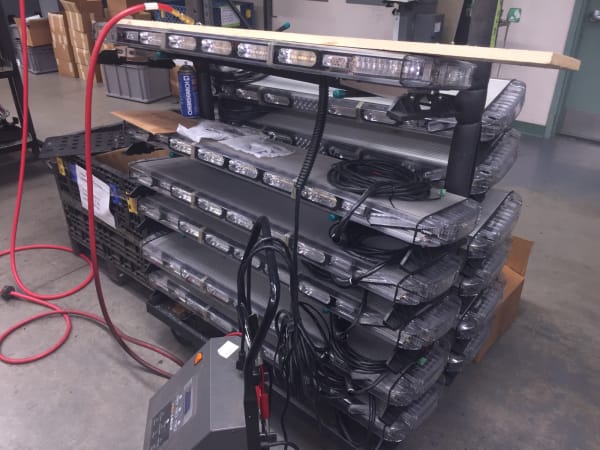
A rack holds lightbars that are waiting for installation.
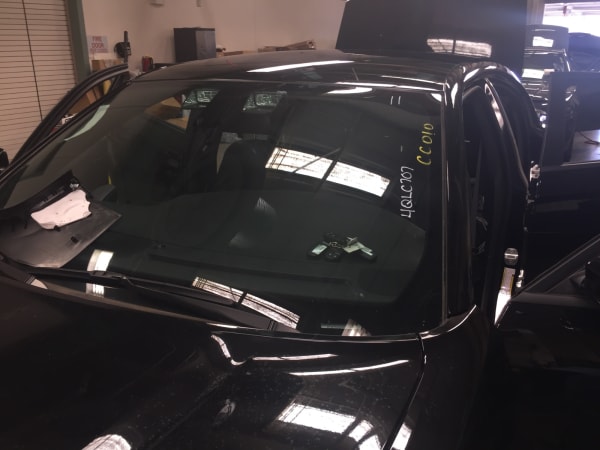
Markings on a vehicle's front windshield help technicians match it with the job number.
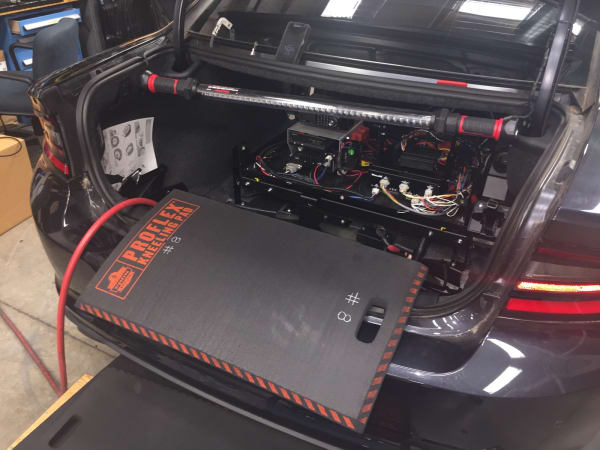
Workers continue the process of running wires in the vehicle's trunk.
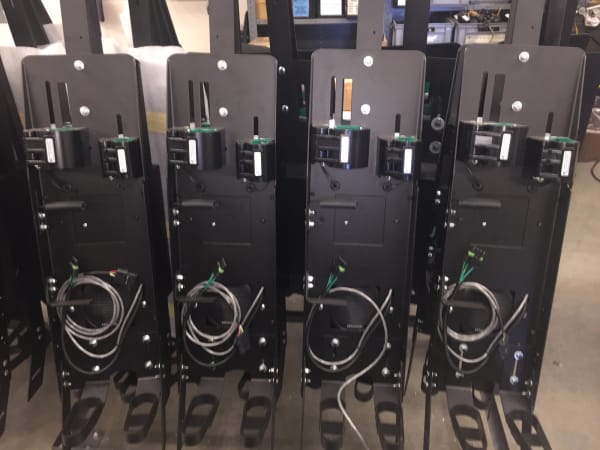
Gun racks were designed by CHP technicians, and production quantities are purchased from the California Prison Industry Authority.
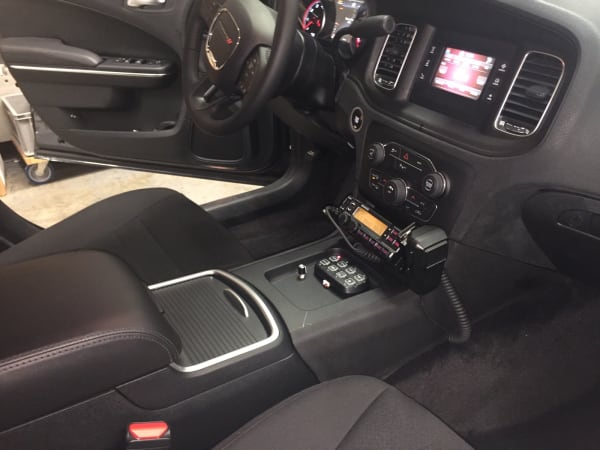
Here's a closer look at a finished console on an unmarked unit.
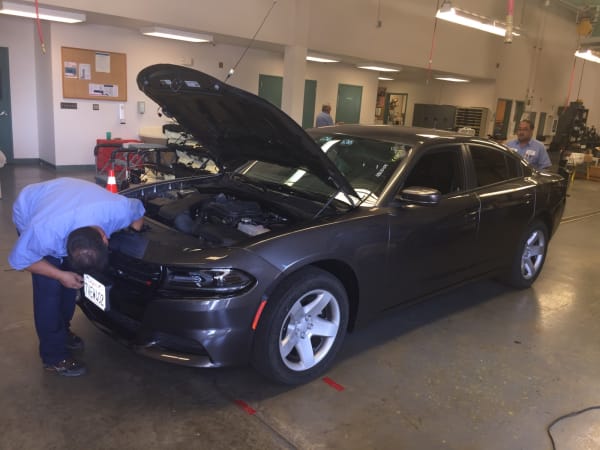
Workers put the finishing touches on an unmarked unit before putting it into service.
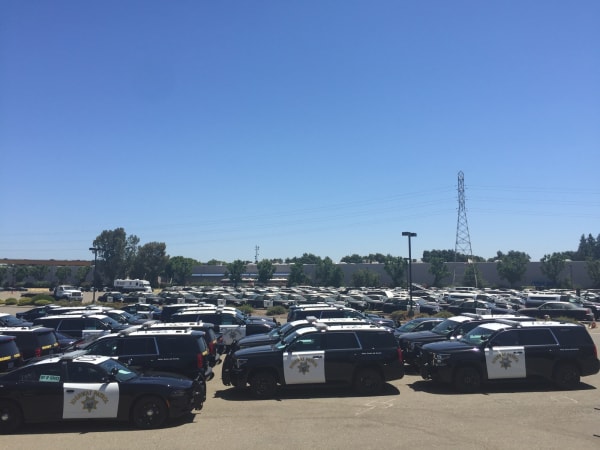
The CHP fleet consists of 4,533 vehicles, including 2,501 black and white enforcement units.
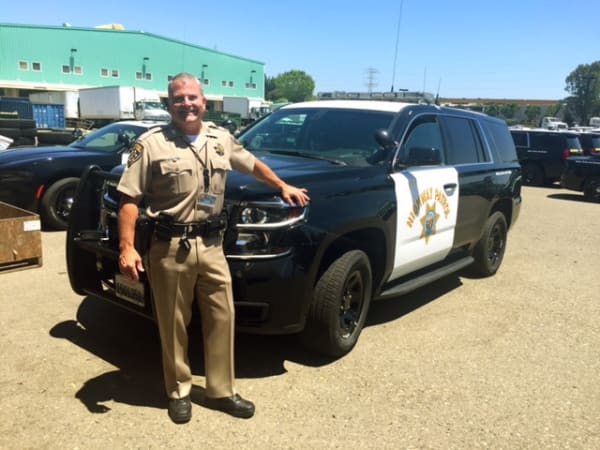
Capt. Steve Mills has served as the agency's commander of fleet operations since 2013.
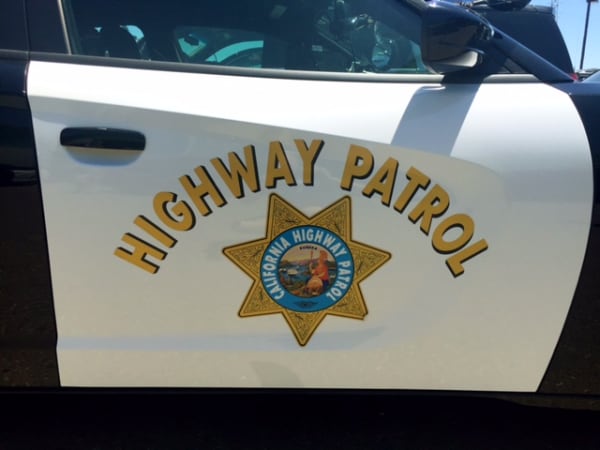
The CHP needs an efficient way to equip their vehicles because the agency adds about 1,000 vehicles per year.
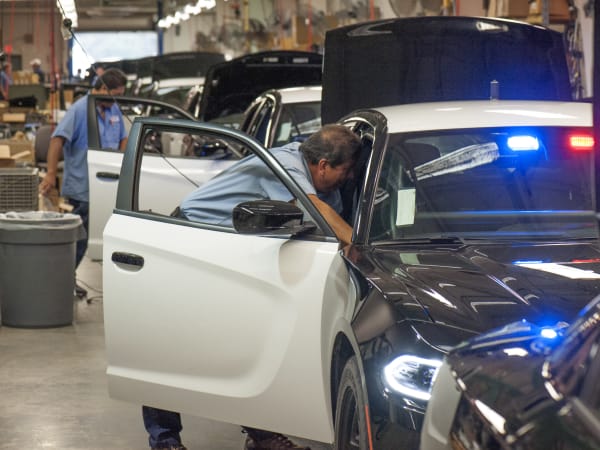
The agency uses its assembly line for marked as well as unmarked units. Photo by Joe McHugh/CHP.