


 MENU
MENU SEARCHMENUSEARCH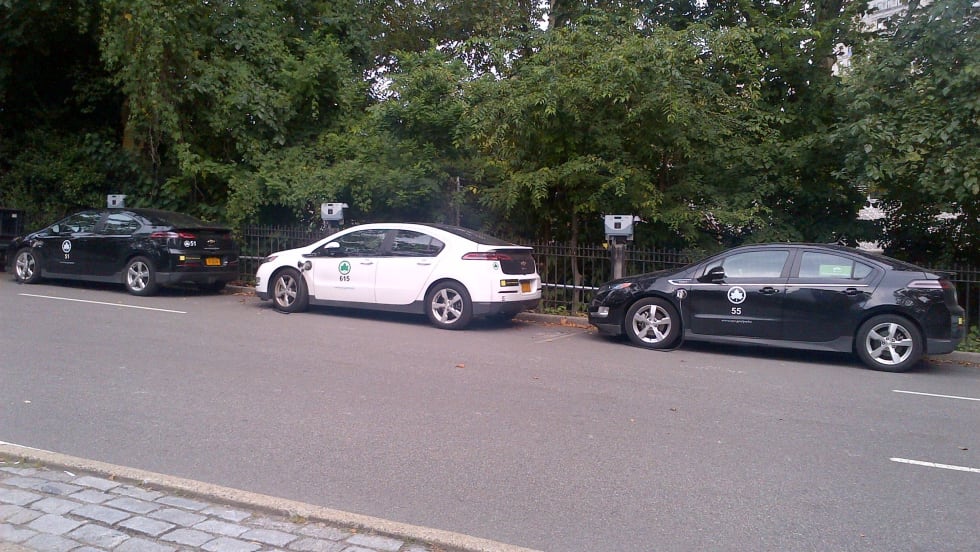
New York City will replace 2,000 sedans with battery-electric and plug-in hybrid vehicles, which would make it the largest electrified vehicle fleet of any U.S. city.
Read More →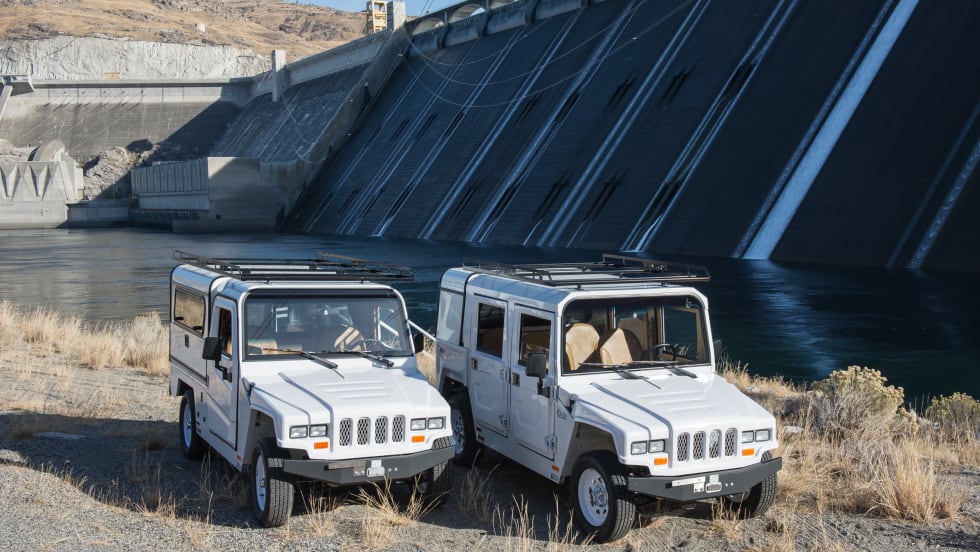
The U.S. Bureau of Reclamation has acquired 27 battery-electric utility vehicles to help reduce fuel costs and emissions.
Read More →
The City of Bellevue, Wash., will begin using B-20 biodiesel for its fleet vehicles, which is expected to reduce emissions and fuel costs, the city announced Oct. 12.
Read More →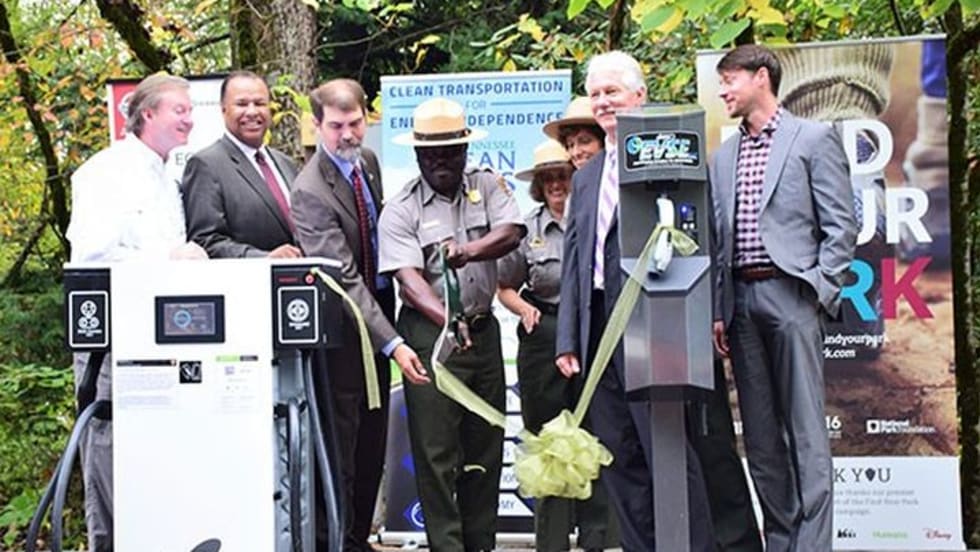
The National Parks Service can significantly reduce carbon emissions by replacing a fleet of gasoline-powered pickup trucks with electric vehicles, doubling the number of EV charging stations, and expanding its partnership with Clean Cities, according to the Center for American Progress.
Read More →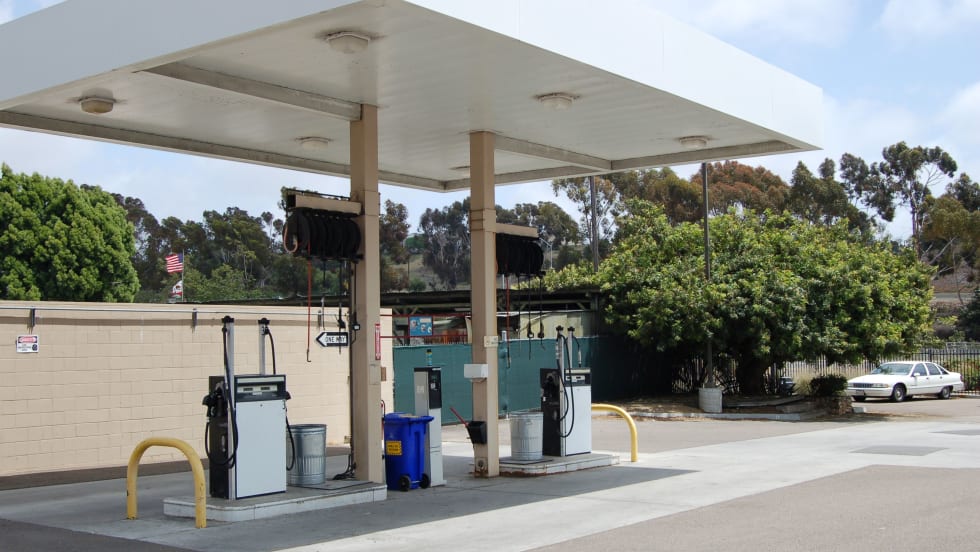
The City of Walnut Creek, Calif., announced it will begin using renewable diesel to fuel its diesel-powered fleet. This move will reduce the city's diesel emissions by more than 60 percent.
Read More →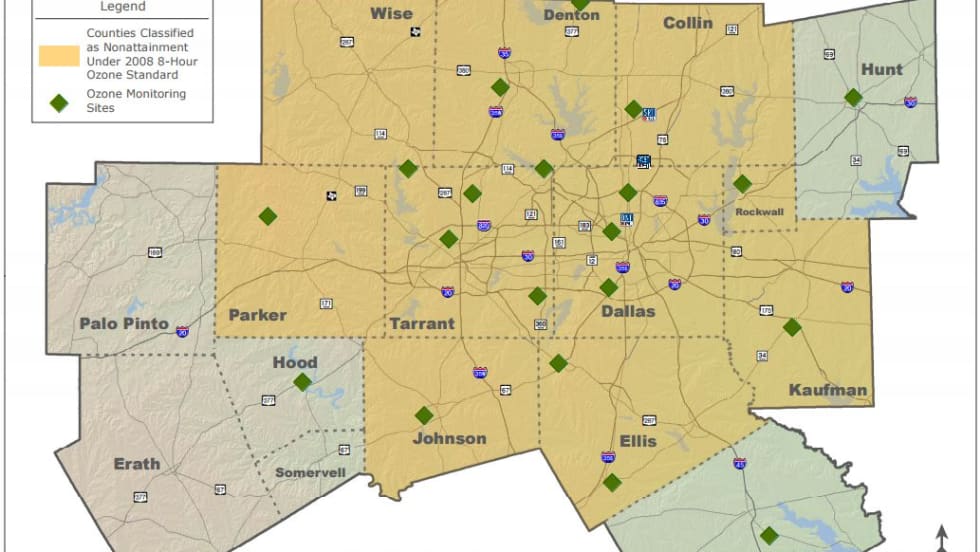
The North Central Texas Council of Governments (NCTCOG) is offering $2.5 million in grant funding for public and private fleets to improve vehicle efficiency. Fleets with operations in the 10-county Dallas-Fort Worth ozone non-attainment area can apply.
Read More →
Montgomery County, Pa., has added three Ford Fusion Energi plug-in hybrid electric sedans to its sheriff’s fleet of vehicles, according to a county release.
Read More →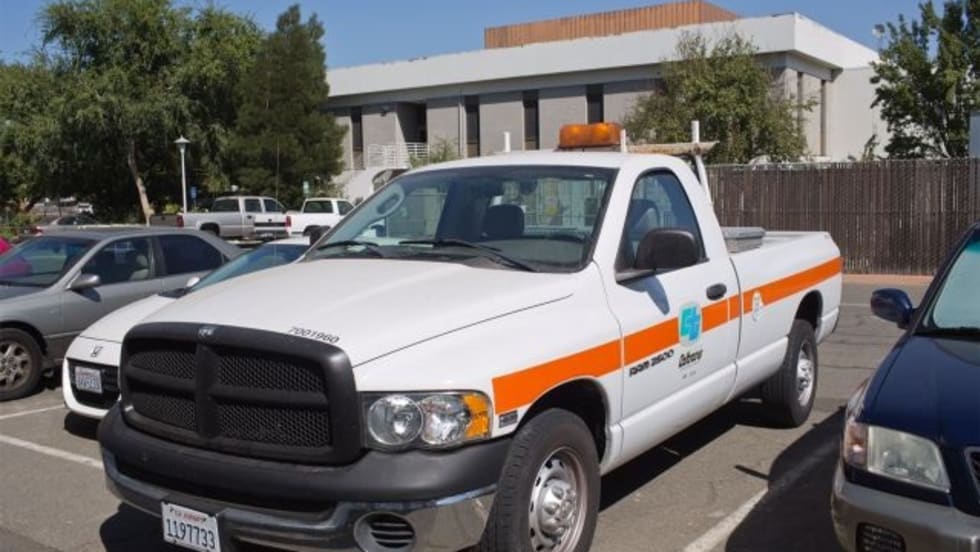
Caltrans has set a goal to reduce emissions caused by its operations, including its fleet, by 20% during the decade ending in 2020, the state agency has announced.
Read More →
The Texas Commission on Environmental Quality is offering $7.7 million in grants to replace older diesel vehicles with new alternative-fuel and hybrid vehicles.
Read More →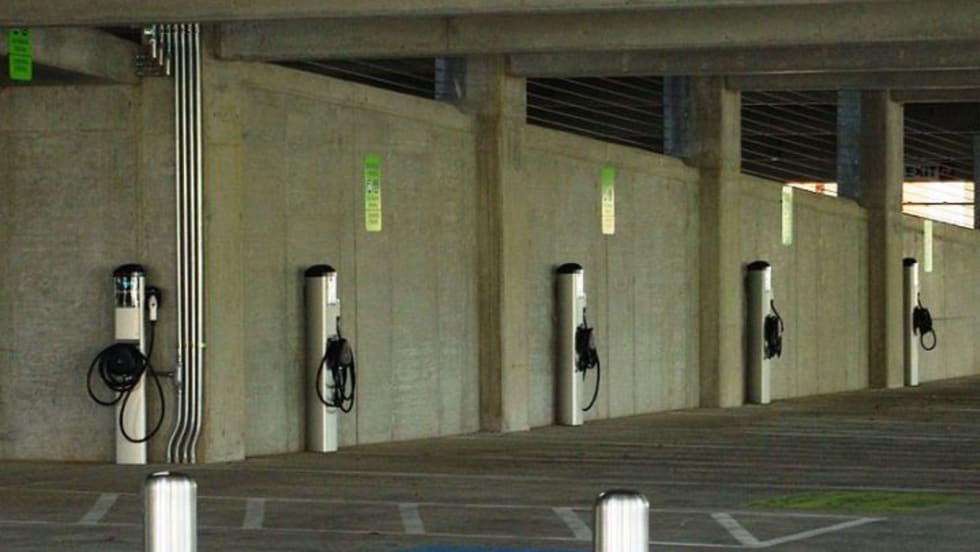
Governors in eight states have formed a partnership to add more zero-emission vehicles (ZEV) to their state fleets under a broader electric-vehicle push.
Read More →