


 MENU
MENU SEARCHMENUSEARCH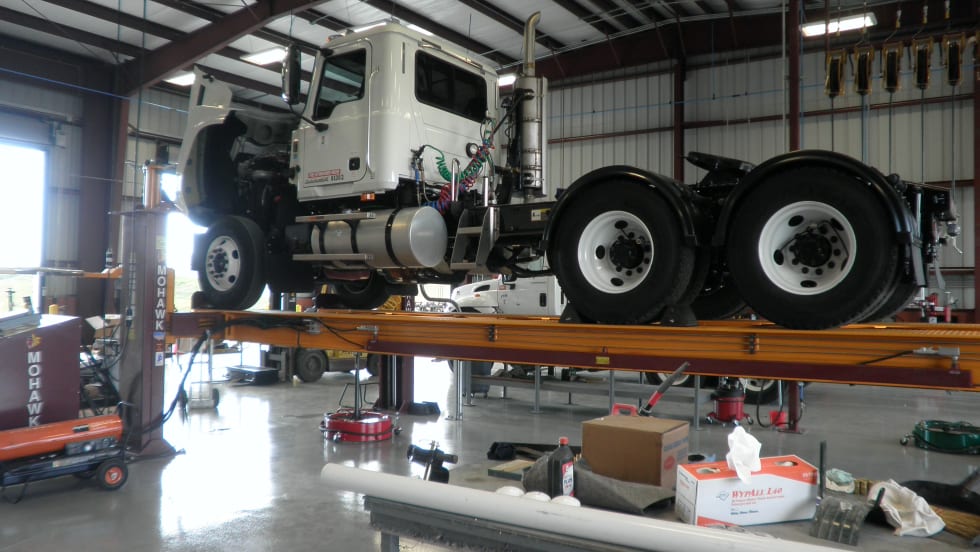
Fleet professionals share some improvements they’ve made to their fleet operations, how they did it, and how others can do the same.
Read More →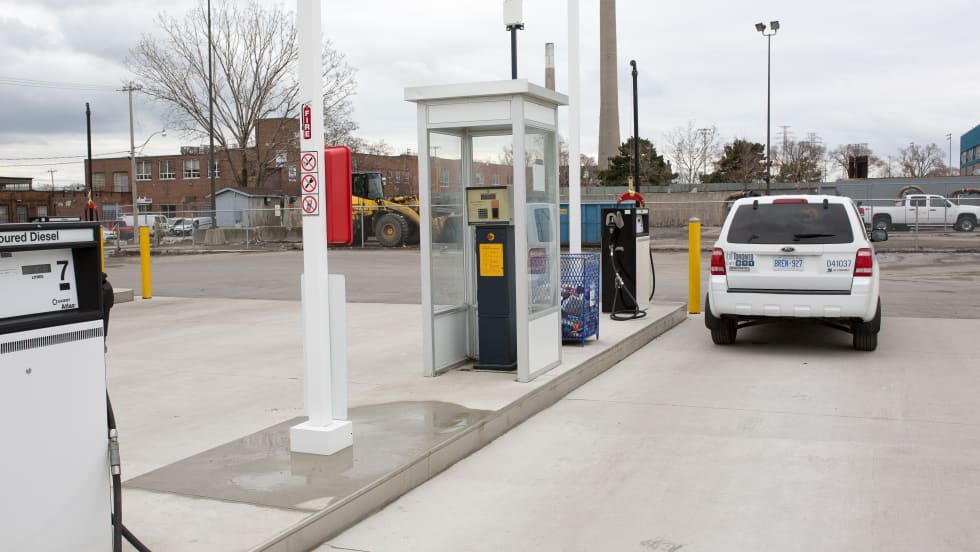
Implementing a fuel management system takes work. But with the ability to reduce fuel theft and yield valuable data for preventive maintenance, working to overcome those challenges can pay off.
Read More →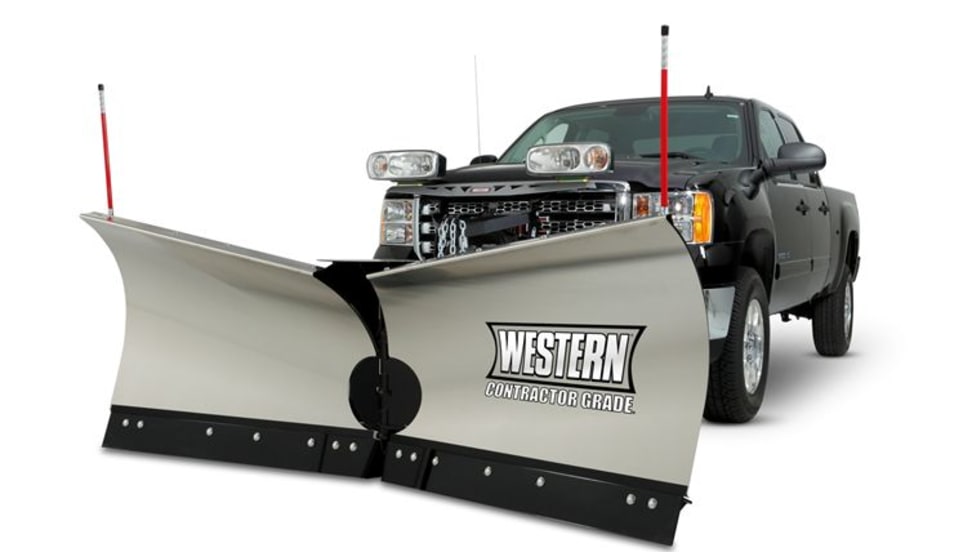
OPW's Petro Vend 100 is a stand-alone, pedestal-mounted fuel-control system for small or mid-sized fleet operators who require one- or two-hose control at their unattended fueling sites.
Read More →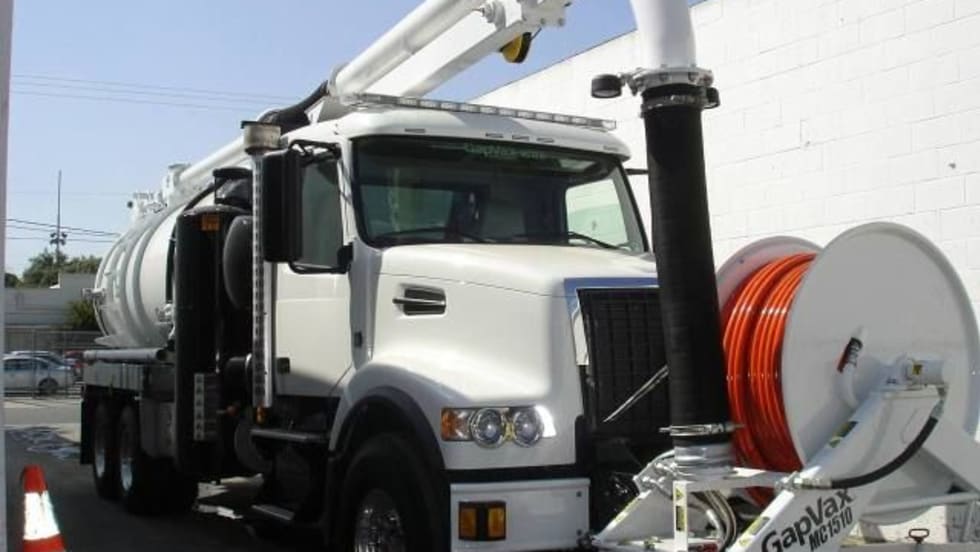
The City of Ventura is adding 18 more GPS tracking units to its fleet to reduce idle time to achieve greater fuel efficiency and overall reduced exhaust emissions. So far, the city has installed 69 units in its vehicles.
Read More →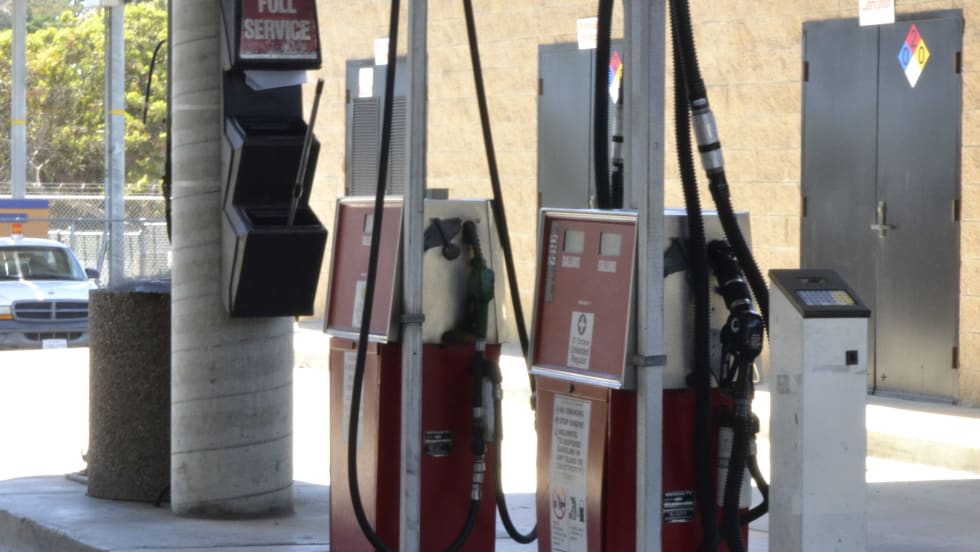
Gasoline prices have been decreasing since July 2014, and fleets have been seeing savings in fuel costs.
Read More →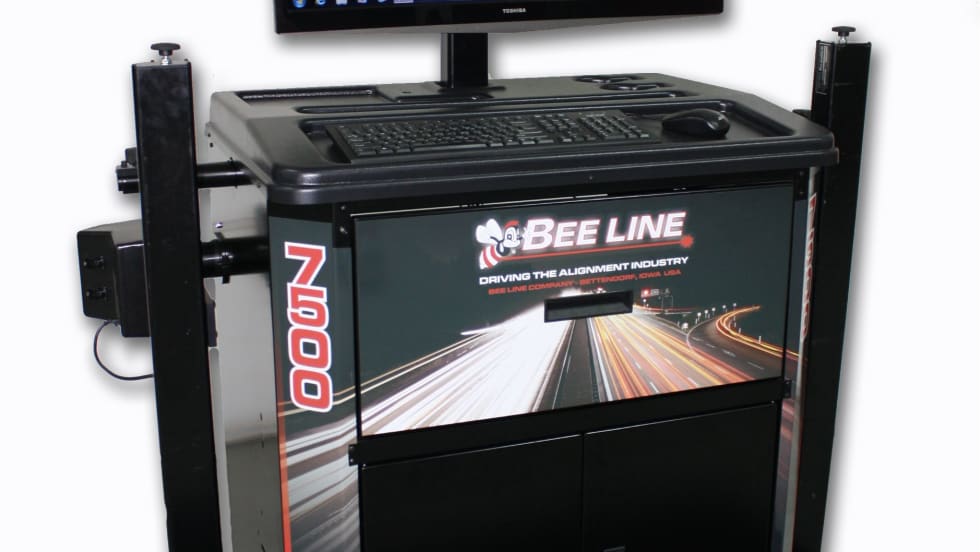
Veeder-Root's TLS-450PLUS tank gauge monitoring system gives fuel station operators real-time monitoring of their fuel sites from remote locations. The TLS-450PLUS allows station operators to use a mobile devices to connect to the sites.
Read More →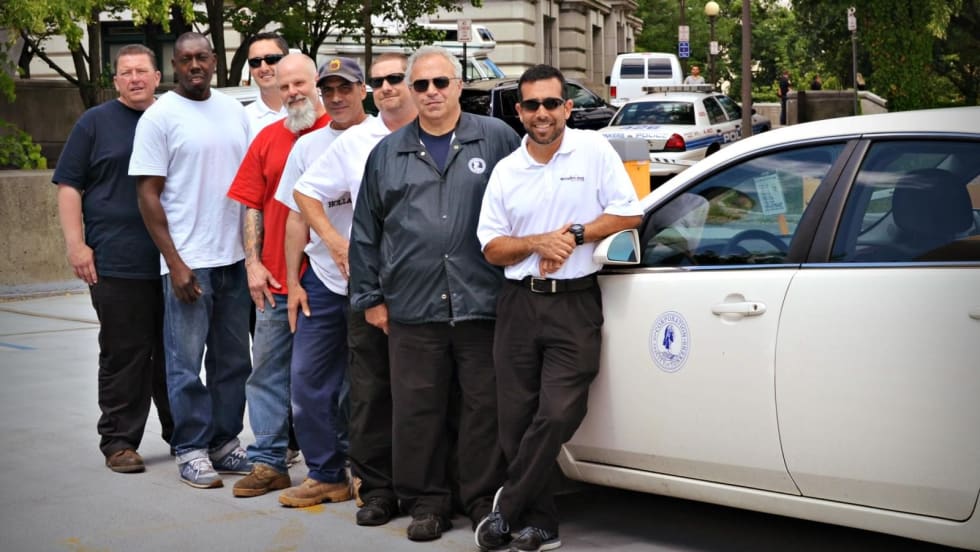
The City of Yonkers, N.Y., is conducting a pilot EcoDriving Training Program for city employees in an effort to reduce fuel use. The city spends $1.5 million annually on fuel for fleet vehicles.
Read More →
The top GovernmentFleet.com feature articles of the year focused on ways to improve fleet operations with ideas to improve fuel management, reduce idling, and explore the use of alternative fuels.
Read More →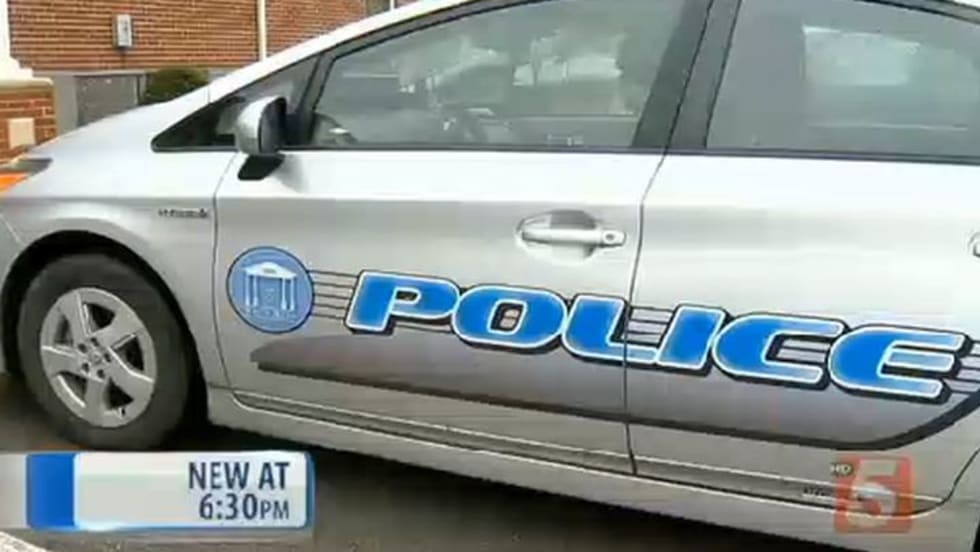
The White Bluff, Tenn., Police Department has become the first law enforcement agency in the state to roll out an entire fleet of Toyota Prius cars.
Read More →
The Winnebago County (Wis.) Sheriff's Office will covert eight agency patrol cars from gasoline- to propane-powered vehicles and build a propane fueling station to reduce fuel costs.
Read More →