


 MENU
MENU SEARCHMENUSEARCH
U.S. Congressman Paul Gosar did not offer an amendment to the FY-2020 Department of Energy budget, one that would have eliminated funding for the Clean Cities program.
Read More →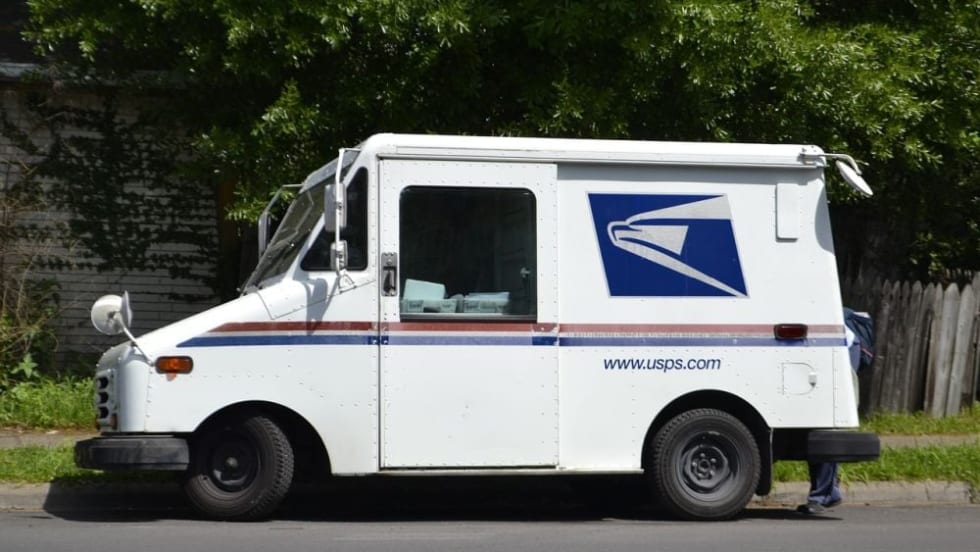
According to the proposed legislation, most of the U.S. Postal Service’s vehicles have reached the end of their 24-year operational lifespan.
Read More →
Washington state agencies and local governments are not in compliance with the state’s public fleet electrification law, according to a new report from Coltura, a nonprofit organization.
Read More →The State of Florida’s Senate Transportation Committee chair has filed legislation to centralize fleet management for the state’s 25,000 vehicles.
Read More →A New Jersey assemblywoman has introduced a bill to reduce the number of passenger vehicles owned by the State of New Jersey fleet by 20% over the course of three years.
Read More →
Minnesota's Gov. Mark Dayton has signed into law a bill making it easier for the state's fleet manager to purchase alternative-fuel vehicles by allowing purchasing decisions based on total operating costs rather than initial cost.
Read More →The City of Kennesaw, Ga., issued an RFP for outsourcing in May and ultimately selected Republic Services as its vendor.
Read More →The State of California’s Assembly has passed AB 8 on a 29-6 bipartisan vote, which extends the State’s clean transportation incentive programs through 2023, according to non-profit group CALSTART.
Read More →New York City has passed a new law requires the City fleet to use a B5 biodiesel blend in its vehicles beginning July 1, 2014 and a B20 blend starting July 1, 2016, from April to November each year.
Read More →Alabama’s Governor Robert Bentley has signed Senate Bill 57, which authorizes the Alabama Department of Transportation (ALDOT) to review State agency fleets in order to develop a program to save money and improve fleet operational efficiency.
Read More →