


 MENU
MENU SEARCHMENUSEARCH
With increased competition and a growing number of carbon-reduction options, how can a fleet manager make the case that theirs is a cost-effective program, deserving of state or federal support?
Read More →
Nearly three of four respondents to Government Fleet’s 2016 financial survey said budgets have returned to 2010 levels, and low fuel cost was one of the biggest contributors to operating budget reductions.
Read More →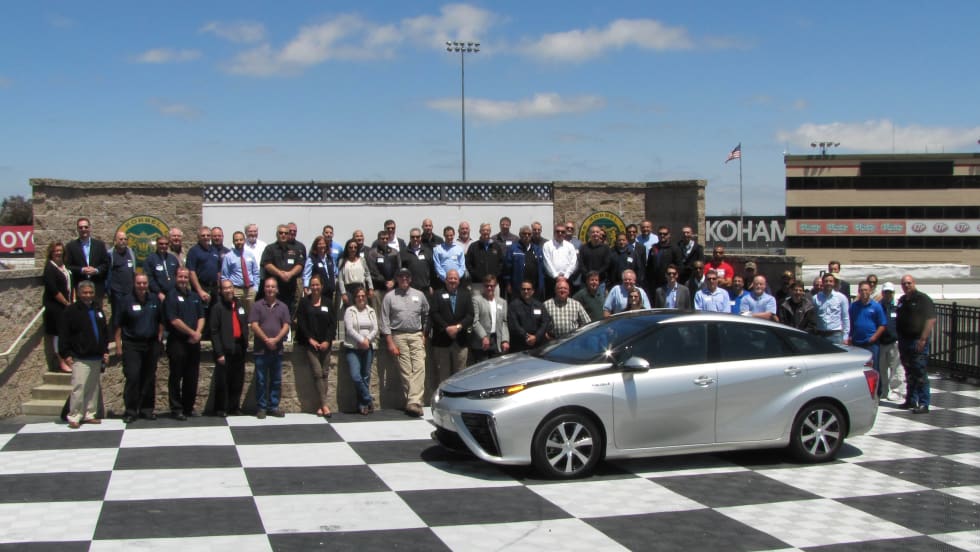
The Northern California Chapter of the Municipal Equipment Maintenance Association (MEMA NorCal) held its first event at Sonoma Raceway in May.
Read More →
The City of Aurora, Colo., is adding 17 alternative-fuel vehicles to its fleet this year with grant funding to help defray the cost. The vehicles include 10 plug-in hybrids and seven CNG pickups.
Read More →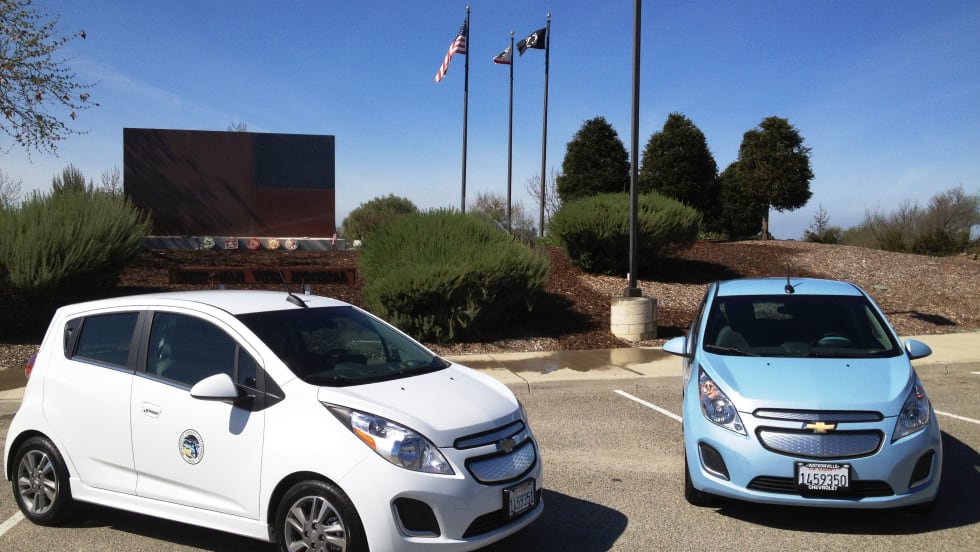
Monterey County, Calif., is purchasing six electric vehicles almost entirely funded with grant money. The county was awarded $27,000 per vehicle for the six cars and is paying the remaining $855 per vehicle and taxes.
Read More →
The City of Pittsburgh is converting an additional 20 Public Works trucks to run on pure biofuel (B-100/B-99) following a successful 18-month pilot project.
Read More →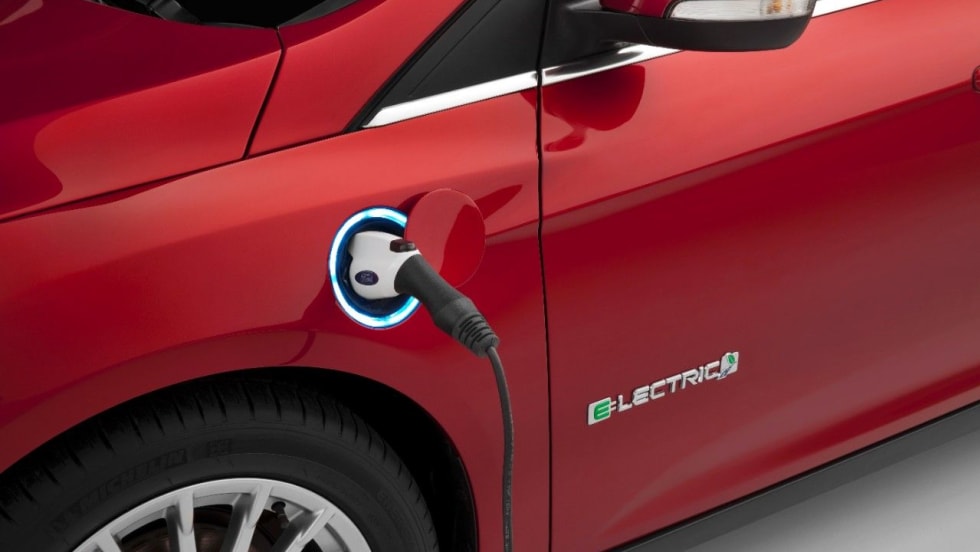
Public fleets serving disadvantaged communities in California can apply for up to $15,000 in rebates for each green light-duty vehicle purchased. Plug-in hybrids, battery or range-extended electric vehicles, and fuel-cell vehicles are eligible.
Read More →
The City of Redlands, Calif., has expanded its alternative fueling station at its corporate yard with the addition of new compressed natural gas (CNG) fuel dispensers. The expansion cost $222,604.
Read More →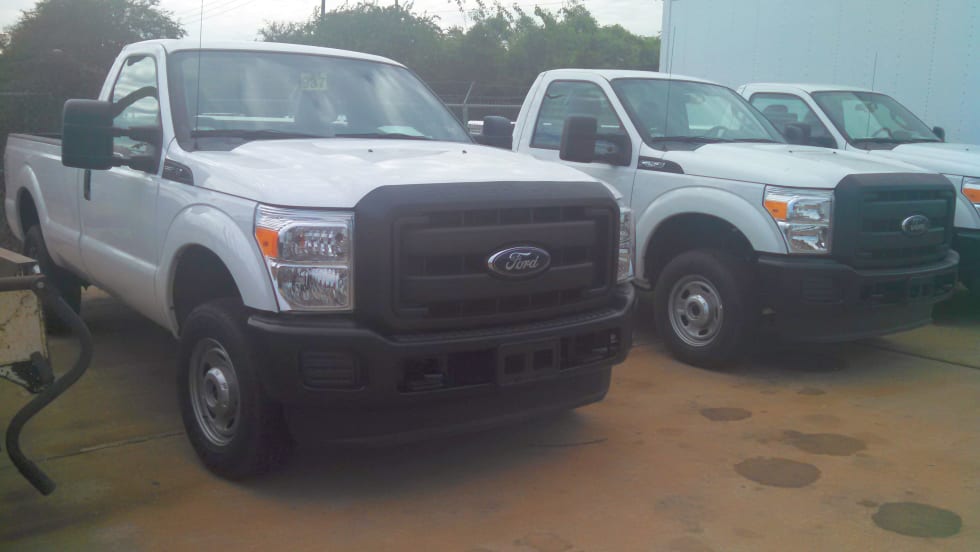
Next year, the City of Houston will begin purchasing light-duty trucks with a gaseous prep package in order to have a supply of vehicles that can be converted to propane autogas.
Read More →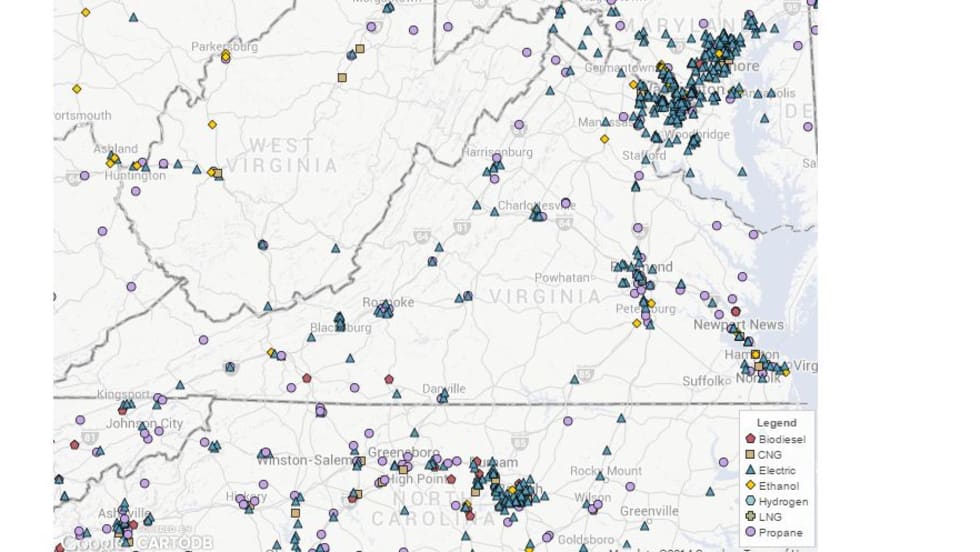
The State of Virginia is committing to alternative fuels with the several programs to encourage alt-fuel vehicle use and expansion within its fleet and across the state.
Read More →