


 MENU
MENU SEARCHMENUSEARCH
The city of Moline operates 380 unique pieces of equipment powered by low-emission alternative fuels and technologies.
Read More →
Iowa Governor Kim Reynolds has signed an executive order requiring that all new contracts for the purchase of state vehicles with diesel engines must have written support from the manufacturer to use B-20 biodiesel or more.
Read More →
The City of Seattle released its updated Green Fleet Action Plan, detailing the steps it needs to take to reduce greenhouse gas emissions by 50% by 2025 and use only fossil-free-fuel by 2030.
Read More →
In order to meet a citywide goal to become carbon neutral by 2020, the City of Austin, Texas, found success in adopting multiple alternative fuels.
Read More →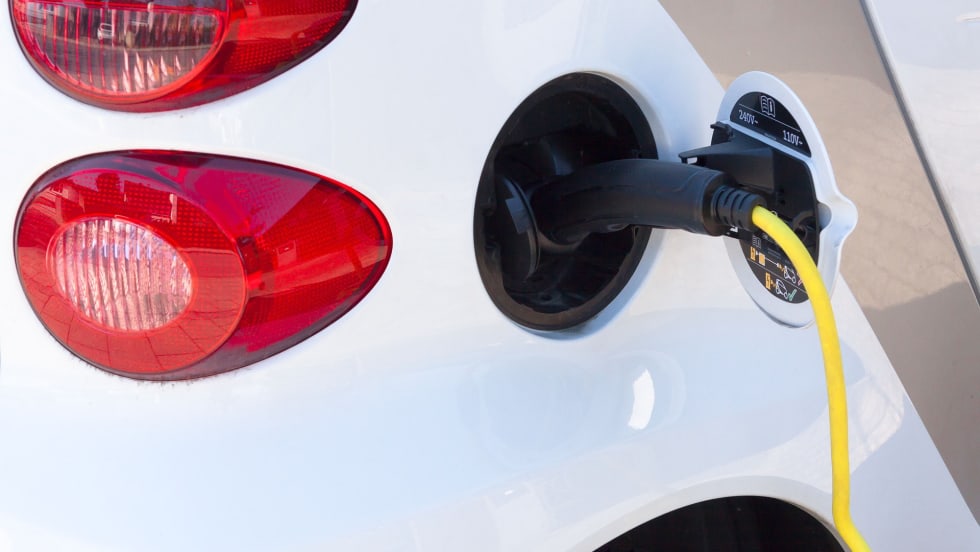
Driven by an investment in electric vehicles (EVs), fuel economy of new non-emergency light- and medium-duty vehicle purchases for the New York City fleet reached 83.7 mpg in fiscal-year 2017.
Read More →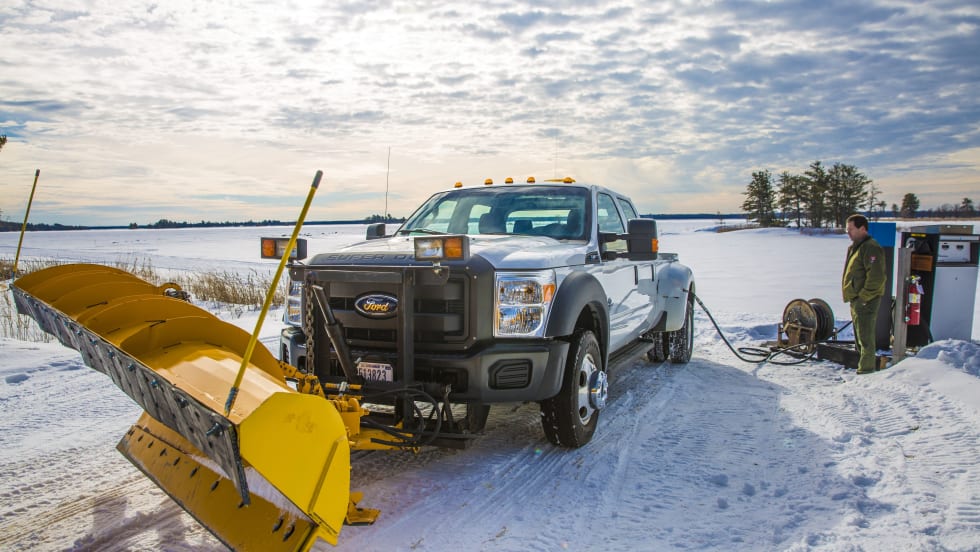
Voyageurs National Park in Minnesota runs biodiesel blends of up to B-20 year-round, despite temperatures that fall to an average low of minus 7 degrees. A proper winter additive prevents problems.
Read More →
In fiscal-year 2016, New York City’s fleet of light- and medium-duty non-emergency vehicle purchases averaged 55 mpg. This was achieved through the addition of electric, hybrid, and other fuel-efficient vehicles.
Read More →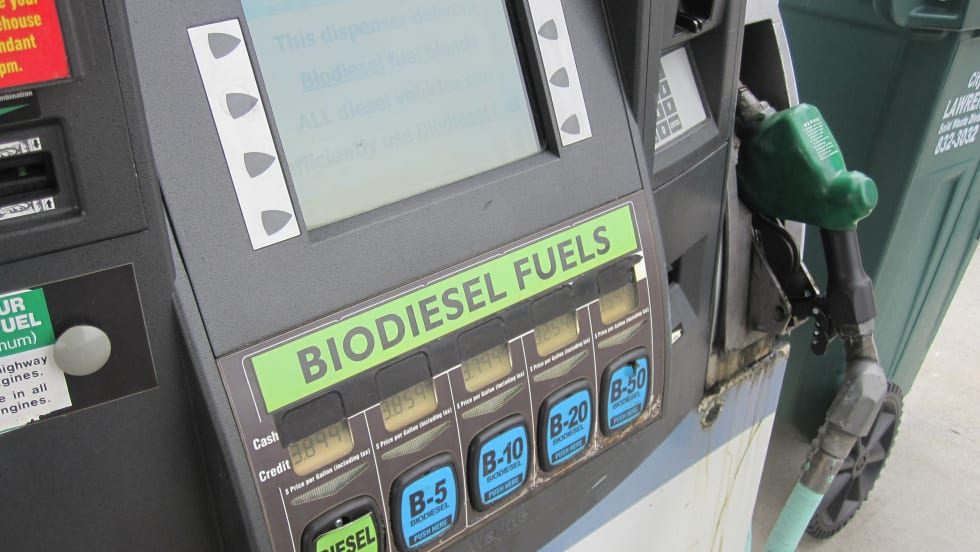
DC Water now uses biodiesel fuel to fuel all 230 of its diesel vehicles, including sewer trucks, utility and dump trucks, crane trucks, and crew cabs. The agency uses a B-20 blend of 20% biodiesel and 80% petroleum diesel.
Read More →
Through its biodiesel program, the Chicago Park District recycles used cooking oil from local restaurants to fuel 56 vehicles in its fleet, including lawnmowers, refuse trucks, and log loaders.
Read More →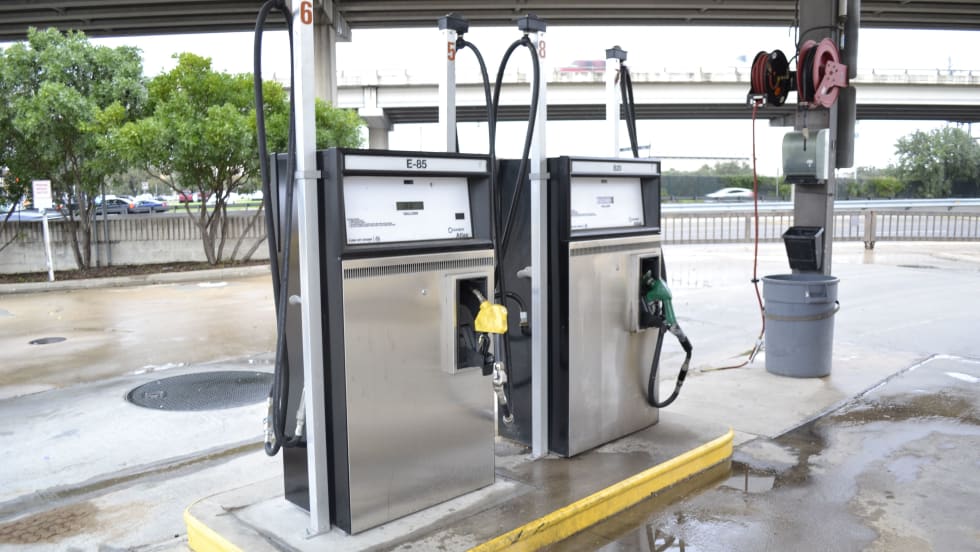
The City of Bellevue, Wash., will begin using B-20 biodiesel for its fleet vehicles, which is expected to reduce emissions and fuel costs, the city announced Oct. 12.
Read More →