


 MENU
MENU SEARCHMENUSEARCH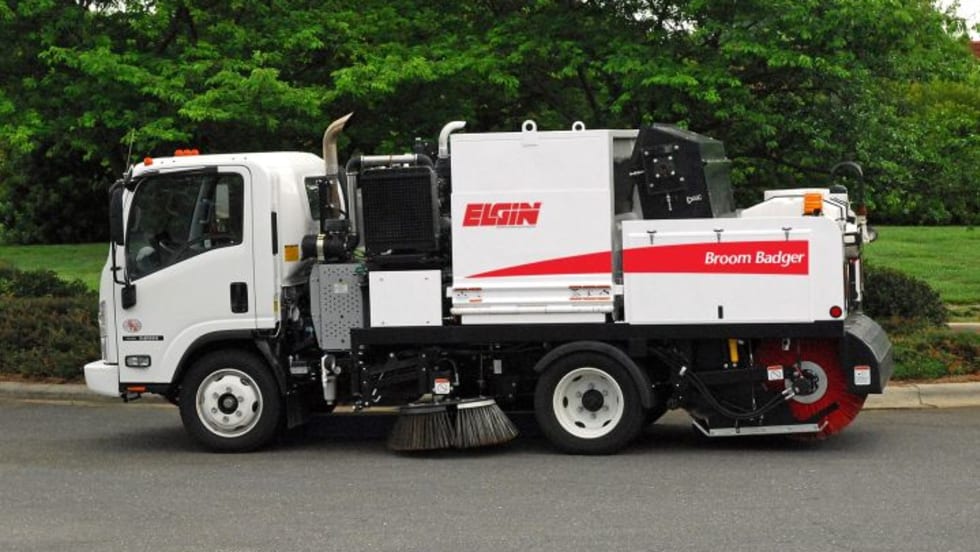
The action affects 92 2012-2014 model-year Broom Badger sweeper trucks with hydraulic systems at risk for overheating.
Read More →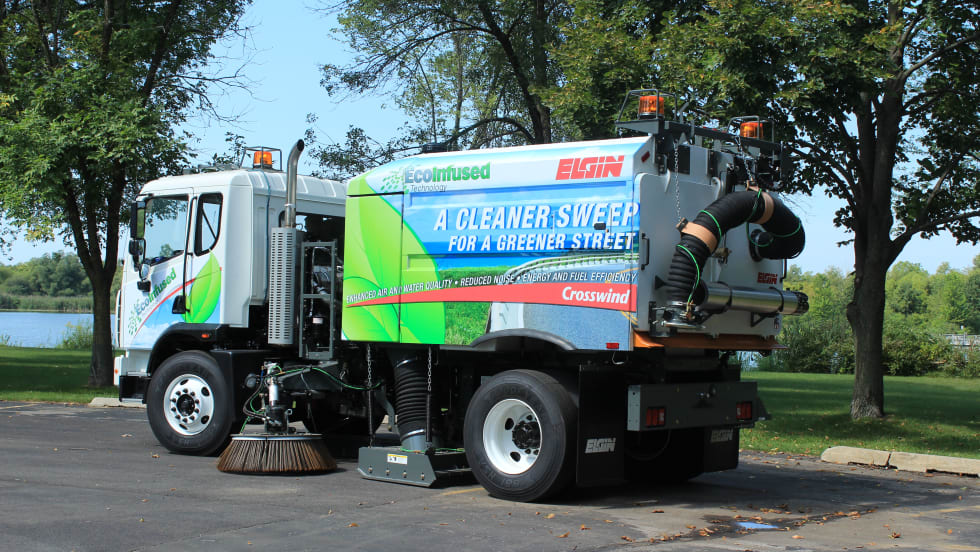
Street sweepers are evolving to meet user demand. From brooms to vacuums to air sweepers, fleet managers have more purchasing choices than ever before.
Read More →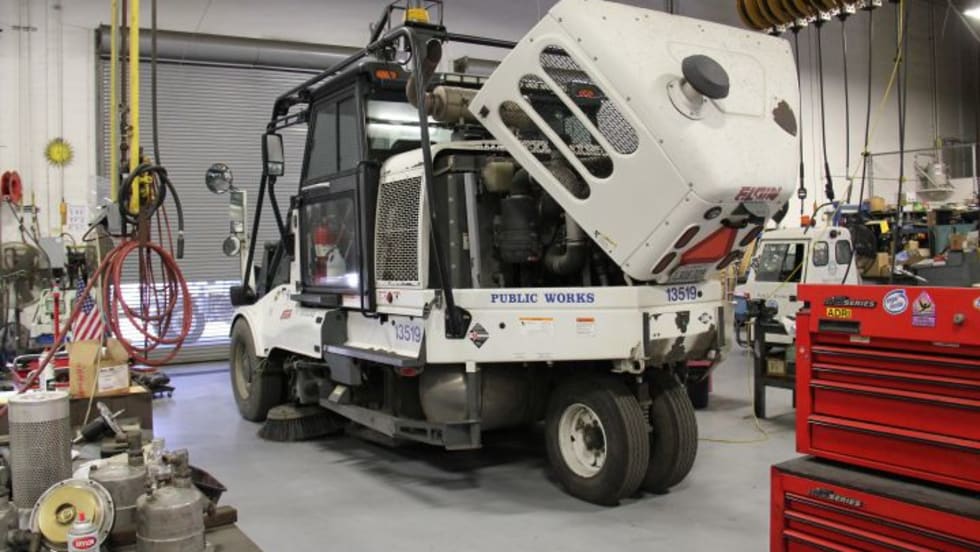
The City of Long Beach (Calif.) has reduced its fuel costs by nearly 60% annually and significantly reduced greenhouse gas emissions, after updating its fleet of LNG-powered street sweepers six years ago.
Read More →![[|CREDIT|]](https://assets.bobitstudios.com/image/upload/f_auto,q_auto,dpr_auto,c_fill,w_980,h_552/pm.glock-feb19hp_1759863987738_rzerqm.jpg)
ELGIN, IL - Elgin Sweeper has introduced the Crosswind NX high-performance regenerative air sweeper for use in environmentally sensitive sweeping. The new machine includes all the performance, maintenance and design features of the Crosswind sweeper.
Read More →![First Tactical's Defender Pant is made with 28 specialized pockets and NYCO fabric featuring no-melt, no-drip properties. [|CREDIT|]Photo: First Tactical](https://assets.bobitstudios.com/image/upload/f_auto,q_auto,dpr_auto,c_fill,w_980,h_552/pm.first-tactical_1759863918736_tvfcum.jpg)
ELGIN, IL – Elgin Sweeper introduced the latest version of its Pelican three-wheel broom street sweeper now available with waterless dust control.
Read More →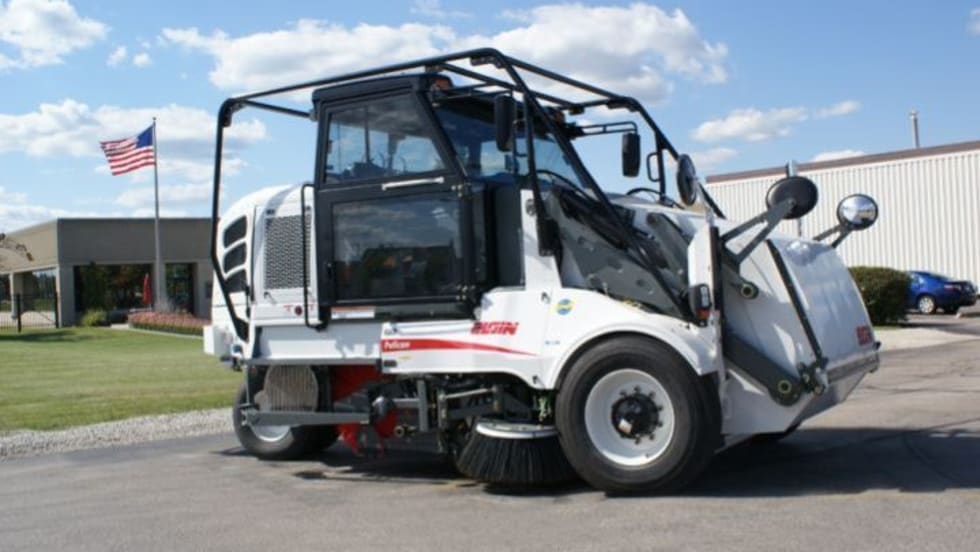
New 2010 diesel emission standards will require a 90-percent cut in NOx emissions. Elgin Sweeper discusses how it is meeting and overcoming this challenge.
Read More →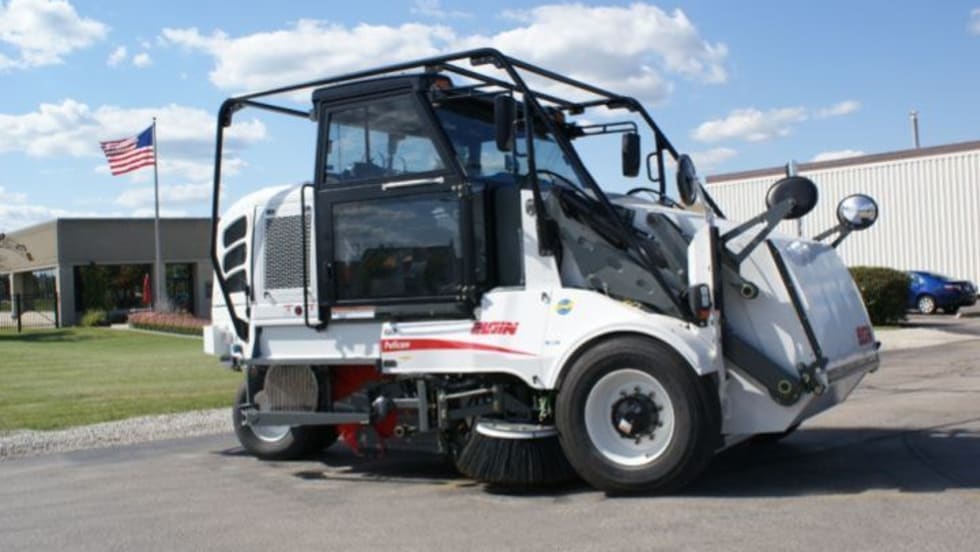
ELGIN, IL – Elgin Sweeper, a manufacturer of street sweepers, has introduced a version of the Pelican three-wheel broom sweeper that may be powered by either compressed natural gas (CNG), liquefied natural gas (LNG), or liquefied petroleum gas (LPG).
Read More →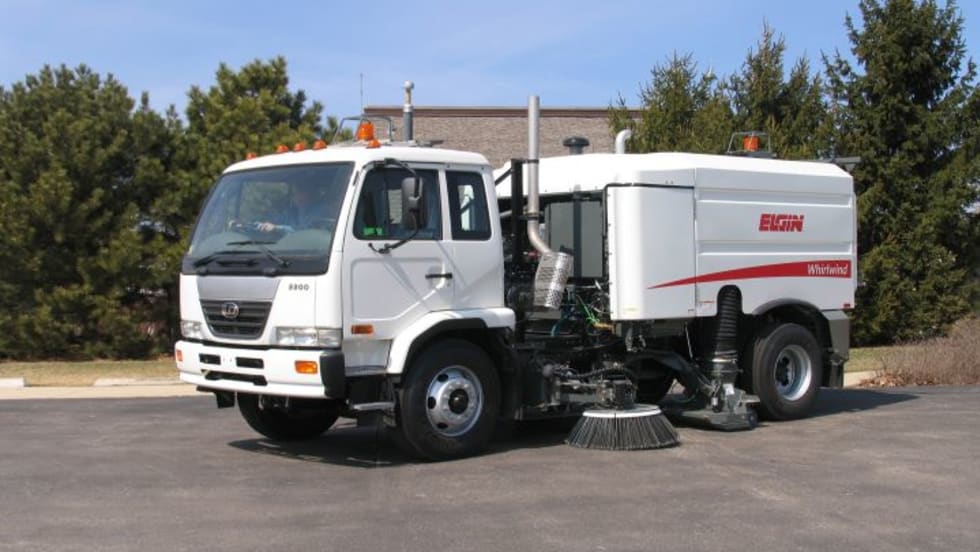
ELGIN, IL – Elgin Sweeper is making its sweepers available on the Nissan Diesel UD3300 chassis with 2007 emission engines. New regulations for on-highway diesel powered vehicles require the use of new “clean diesel” engines that reduce particulate emissions by 90 percent and oxides of nitrogen (NOx) and hydrocarbon emissions by more than 50 percent.
Read More →