


 MENU
MENU SEARCHMENUSEARCH
Pandemic-affected change has shifted the lens in viewing various mobility options — motor pools, ridesharing — for today’s public sector fleets. A panel of experts recently explored the opportunities that new perspective offers.
Read More →
Learn about the top concerns for motorpool fleets, keyless technology, and how motorpools have transformed the way fleets are managed in this episode of GovCast.
Read More →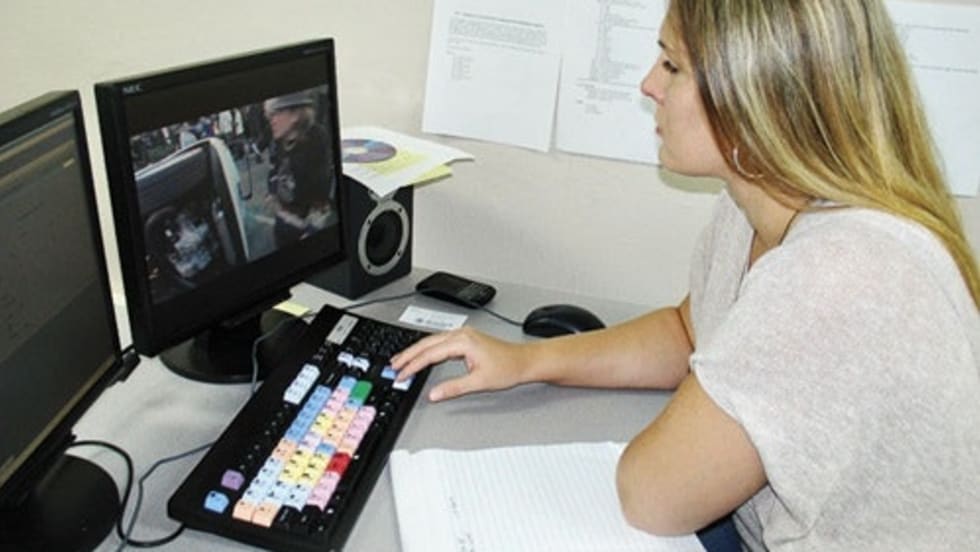
Fleet operations often work along imaginary lines that separate city, county, and state entities. But combining resources can help agencies take advantage of economies of scale.
Read More →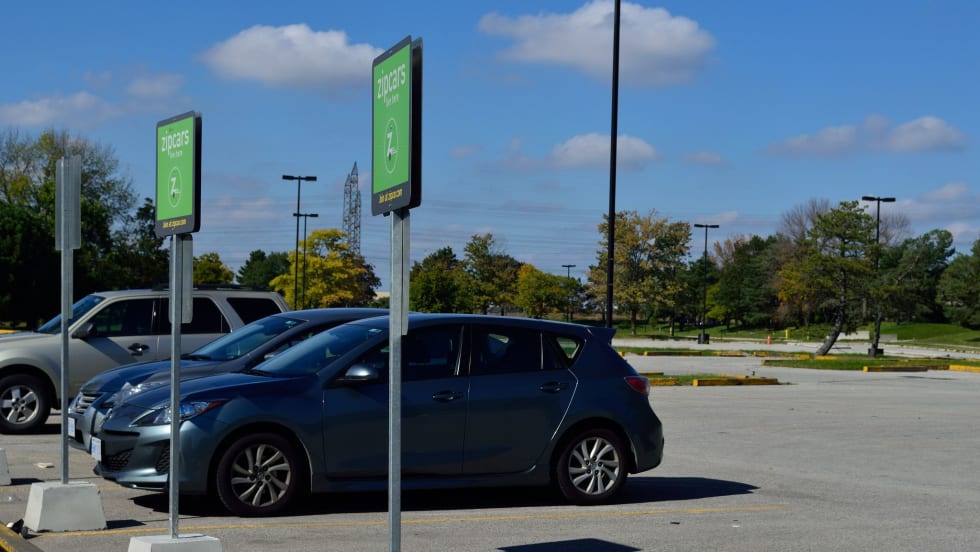
New York City fleet drivers increased their use of car sharing significantly in 2017, increasing average car share use by 98%. The city also increased its motor pool fleet by 8%.
Read More →
One way fleets can reduce their vehicle count and expenses is to pool their vehicles for employees from multiple departments to use. But where do you start? Fleets share some tips to help get the ball rolling.
Read More →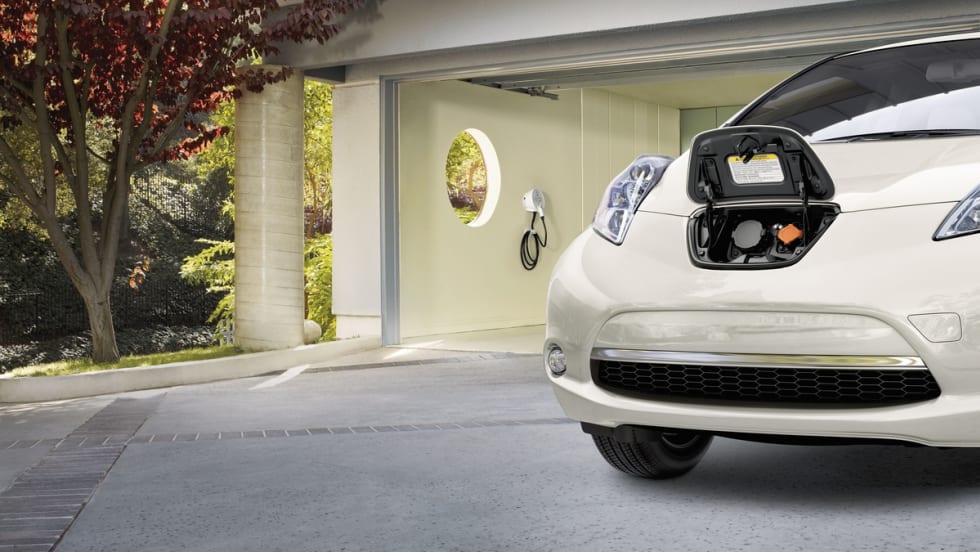
The City of Roanoke, Va.'s new Vehicle Sharing Program will allow city employees to use Nissan Leafs, cut down on low-use fleet vehicles, and reduce the fleet's carbon footprint.
Read More →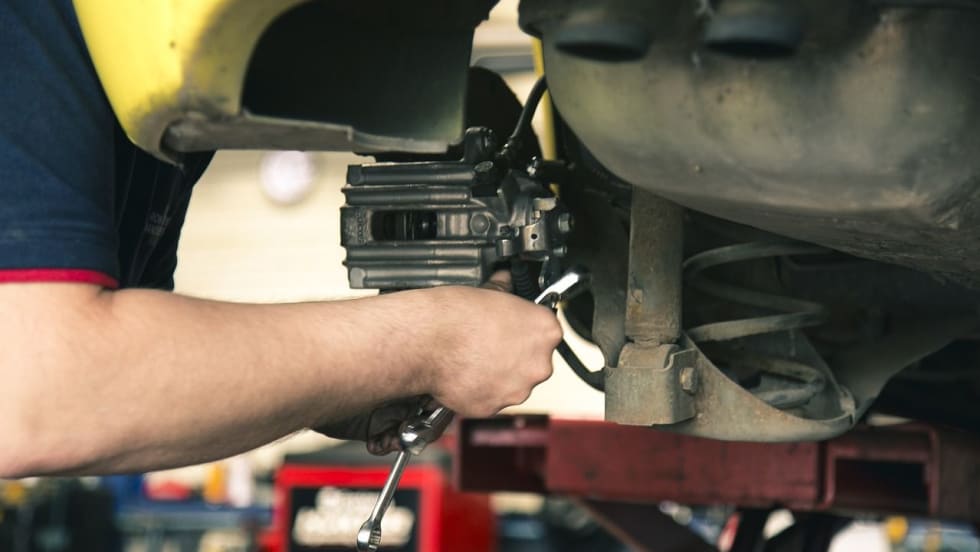
Lake County, Ind., commissioners say fleet consolidation will save money on fuel, reduce maintenance costs, and help the county move toward a more regular vehicle replacement plan.
Read More →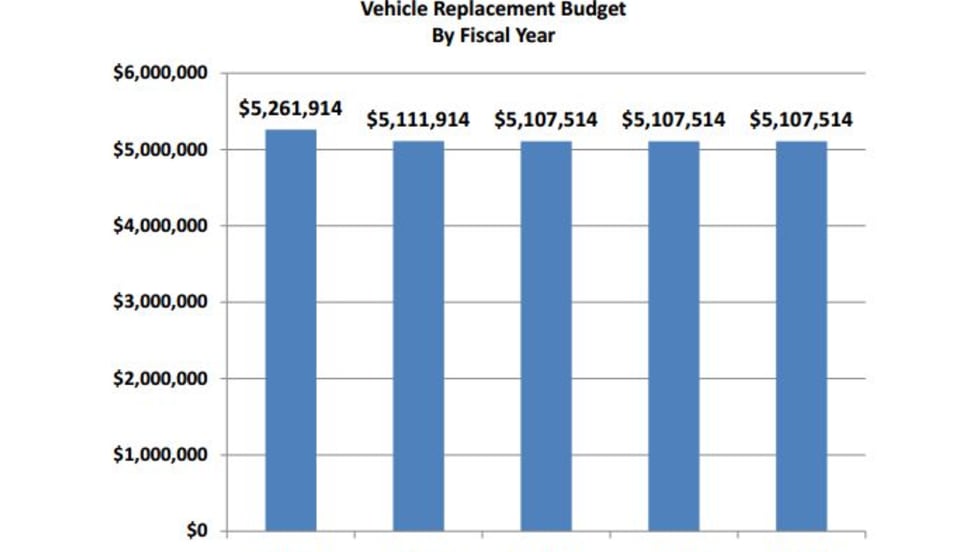
Insufficient funding, no separate funding for totaled vehicles, and the rising cost of equipment make it difficult for the City of Virginia Beach, Va., to replace all its aging units.
Read More →![Monroe County Sheriff Todd Baxter and Livingston County Sheriff Tom Dougherty are shown during 2019’s Sheriff Showdown, a mounted competition.[|CREDIT|]PHOTO: Monroe County Sheriff’s Office](https://assets.bobitstudios.com/image/upload/f_auto,q_auto,dpr_auto,c_fill,w_980,h_552/pm.baxter-dougherty-july-2019-_1759899284664_an9tax.jpg)
New proposed legislation would broaden the West Virginia Fleet Management Office's responsibilities, including the creation of a centralized inventory of all state vehicles and a state motor pool.
Read More →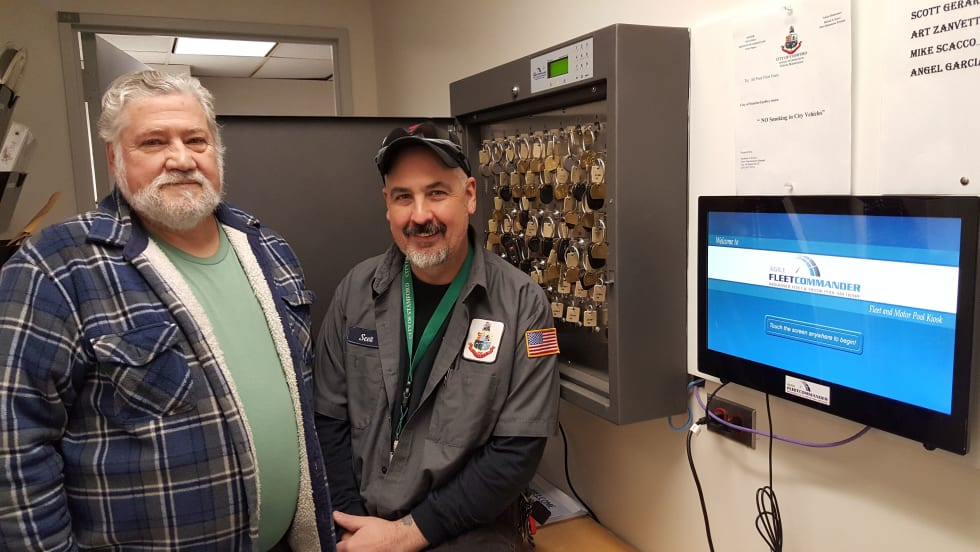
The City of Stamford, Conn., has reduced its motor pool fleet from 60 to 29 vehicles by automating motor pool management and having better control of utilization.
Read More →