


 MENU
MENU SEARCHMENUSEARCH
The City of Amarillo, Texas, implemented a GPS fleet tracking system for more than 400 city vehicles in November and reported it is saving $19,154.85 a month.
Read More →
Pima County, Ariz., has reduced its fleet idling from 122,000 hours in fiscal-year 2018 to 99,000 hours in fiscal-year 2019.
Read More →
Ventura County, Calif., reduced fleet idling by using telematics to determine which vehicles idled the most and providing this information to department heads.
Read More →
The City of San Francisco has been able to reduce its monthly count of fleet speeding incidents, likely due to telematics reporting data and increased safety measures.
Read More →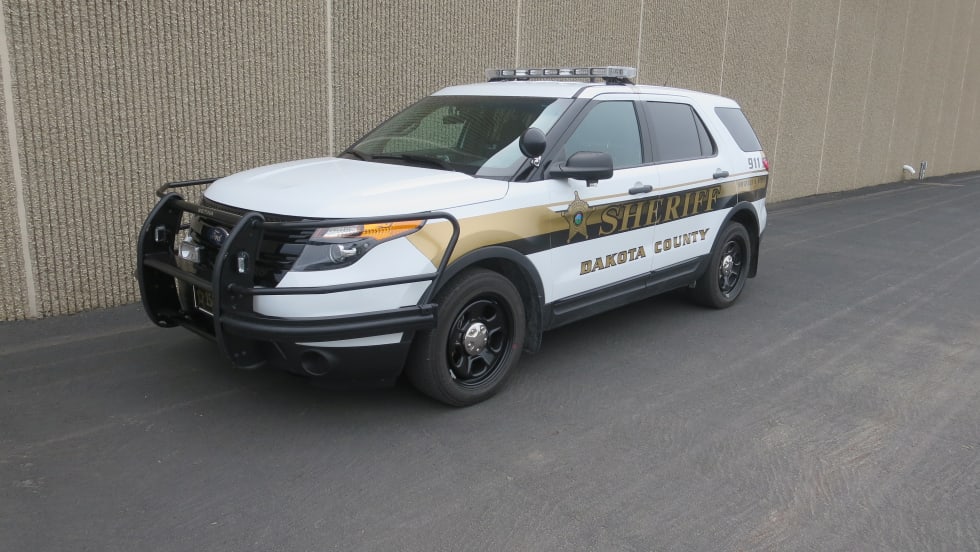
In a pilot of vehicle calibration software, Dakota County, Minn., fleet vehicles saw an 8% average drop in fuel consumption.
Read More →
In a successful pilot of anti-idling software across a variety of its vehicles, the City of Ontario, Calif., saw a fuel use reduction of 16%, prompting its fleet manager to call for expanded use.
Read More →The City of Oakwood, Ga., has implemented a new anti-idling policy for its fleet vehicles and equipment. The policy prohibits idling for gasoline-, diesel-, and natural-gas-fueled vehicles.
Read More →CONCORD, NH - The City of Concord is installing new idling-reduction equipment, purchased with federal stimulus money, that could result in $8,000 in fuel savings annually.
Read More →LEXINGTON, SC - A plan outlined August 24 to the Lexington County, S.C., Council would limit vehicle idling to 10 minutes for its fleet of 667 cars and trucks, with exceptions for emergencies and library bookmobiles.
Read More →AUSTIN, TEXAS - Thirty-one City of Austin vehicles will soon be outfitted with energy-saving power generators, thanks to a $198,090 grant from the Texas Commission on Environmental Quality.
Read More →