Red Government Fleet with star logo
MenuMENU
SearchSEARCH

5 Tips for Reducing the Most Common Fleet Worker Injuries

The vast majority of injuries facing public and private fleet professionals are a result of simple movements such as lowering, lifting, carrying, stepping, and bending.

by John Leo Post
February 9, 2019
5 Tips for Reducing the Most Common Fleet Worker Injuries

Pictured is a technician keeping his back straight while opening the hood of a truck.

3 min to read


Government fleet professionals are the backbone of our cities, counties, and states. They drive and fix our police cars, buses, and public utility vehicles. Unfortunately, according to the U.S. Department of Labor, the rate of workplace injury for public sector professionals is nearly twice as high when compared to the private sector, and the vast majority of injuries facing public and private fleet professionals are a result of simple movements such as lowering, lifting, carrying, stepping, and bending. Often, these injuries lead to musculoskeletal disorders (MSDs) that can cost organizations in the public and private sector millions of dollars.

To help protect other government fleet professionals from developing MSDs, here are five proven tips that you can apply in your work environment.

  1. Remember that movement matters, not just ergonomics

Ergonomics is the science of engineering the environment to the human being. What is, too often, overlooked is how the very same individuals we are trying to protect interact within that environment. We can have the fanciest, most ergonomically sound seat in the world, but if we slouch all day long, we’re still going to end up with back pain. By educating individuals on how to lift, carry, push, pull, step up or down, and sit, we can empower them to stay in the strongest, safest possible positions regardless of the environment.

  1. Watch your back!

According to the Mayo Clinic, back pain is one of the most common reasons people go to the doctor or miss work, and it is a leading cause of disability worldwide. Whether you are sitting at a desk all day or moving heavy materials all day, you can significantly reduce the risk of back injury by focusing on keeping your entire spine aligned and in a neutral position.

  1. Control your descent

Depending on the type of driving required, a government fleet driver may exit a truck cab five to 50 times a day. When climbing out of any sort of vehicle that is high enough to require a step, you should always turn around backward and control your descent. Climbing down backwards enables you to use the handles in the safest, strongest position for your shoulders. You will also be able to engage the strongest muscles in your legs as you control your body weight and climb down.

  1. Scoot your butt back

As mentioned previously, even the most ergonomically correct seat won’t force you into a safe position. Whether in the cab of a vehicle or in an office chair, a quick adjustment you can make to help protect your lumbar spine from the cumulative damage of sitting is to scoot your butt all of the way back in the seat. This provides a stable hip platform that makes it easier to maintain a neutral lumbar spine.

  1. Thumbs out

When you slouch, injuries to the upper back, shoulders, and neck become more of a risk. A quick way to help straighten out your upper back is to stand up with your arms at your sides and turn your thumbs away from your body (think of that poster of the anatomical man in your doctor’s office). See if you can feel the immediate correction of the slouched posture as you turn your thumbs out. Once reset, you can let your hand position relax and try not to lose that neutral upper back.

Although the most common workplace injuries result from simple, repetitive movements, the good news is that 64% of these injuries are preventable by adjusting the way that workers organize their bodies and move through space. When practiced consistently, the five tips above will help government fleet professionals protect themselves from injuries and ensure on-the-job efficiency.

About the Author: John Leo Post is the co-founder and chief product officer for Worklete, a technology platform that reduces musculoskeletal injuries by 55% on average.
Subscribe to Our Newsletter

More Safety

SponsoredJanuary 19, 2026

3 New Ways Fleet Software Pays: ROI opportunities for modern fleet managers

Public fleets face constant pressure to do more with limited budgets. This eBook outlines how modern fleet software helps agencies extend asset life, reduce unplanned downtime, and improve safety by automating maintenance, using smarter video insights, and unifying fleet data. A practical look at how technology can drive measurable ROI for taxpayers.

Read More →
SponsoredJanuary 14, 2026

Behind the Wheel: Distracted Driving in the US Public Sector

Distracted driving is a persistent challenge for public sector fleets, impacting community safety, operational costs, and driver well-being. Samsara’s latest State of Connected Operations report found that 76% of public sector drivers have experienced a “close call” due to distraction—underscoring the urgent need for action.

Read More →
Safetyby Jeanny RoaDecember 22, 2025

Holiday Travel Surge: What Government Fleet Managers Need to Know About Increased Road Risks

As year-end travel reaches record levels, fleet managers must anticipate increased road congestion and safety challenges for government vehicles and drivers.

Read More →
Ad Loading...
SafetyDecember 11, 2025

How Government Fleets Can Reduce Distracted Driving: Key Takeaways

Crashes, near misses, and costly collisions still occur every day. How agencies can better protect their drivers, roadside workers, and communities.

Read More →
SponsoredDecember 5, 2025

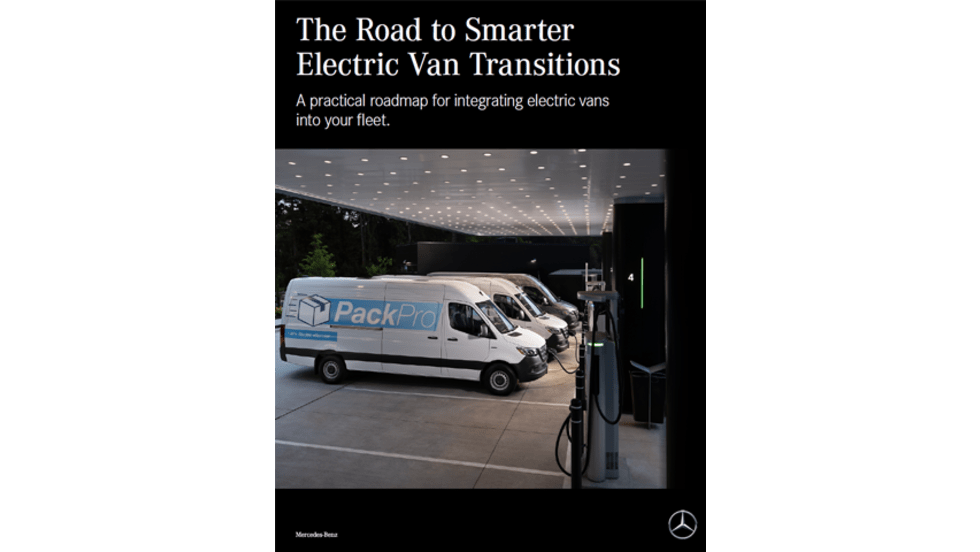
The Road to Smarter Electric Van Transitions: A practical roadmap for integrating electric vans into your fleet

Electric vans are becoming a strategic tool, not just a sustainability move. Get a roadmap that breaks down costs, charging planning, upfit compatibility, and what fleets should evaluate before making the switch.

Read More →
Safetyby News/Media ReleaseOctober 29, 2025

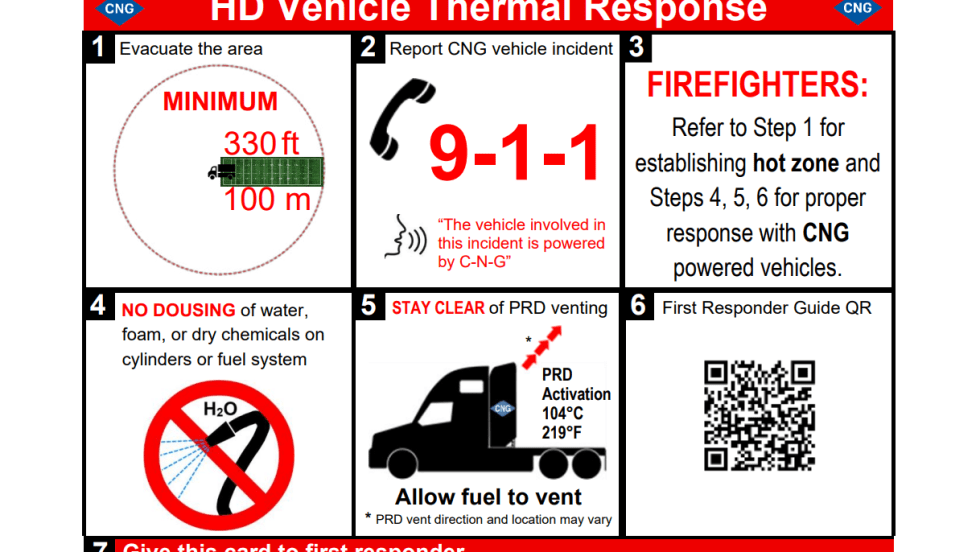
New CNG Vehicle Incident Response Resource Released

The downloadable safety guide contains detailed “Vehicle Crash and/or Leak Response” instructions in addition to “Vehicle Thermal Response” instructions.

Read More →
Ad Loading...
Close-up of a person reviewing charts and a document featuring the Samsara logo, representing research findings on disaster preparedness and operational resilience.
Safetyby News/Media ReleaseOctober 21, 2025

New Samsara Data Reveals Dangerous Gap in Disaster Readiness

A new Samsara report highlights widespread gaps in disaster preparedness among public and private organizations, with most leaders lacking confidence in their ability to respond to major crises.

Read More →
Close-up of a vehicle speedometer representing NYC DCAS efforts to implement Intelligent Speed Assistance technology across city fleet vehicles.
Safetyby News/Media ReleaseOctober 21, 2025

NYC to Make Intelligent Speed Assistance Standard Across More Than 7,000 Fleet Vehicles

New York City is expanding the use of Intelligent Speed Assistance technology across all non-emergency fleet vehicles, marking the world’s largest municipal ISA program, according to NYCDCAS.

Read More →
Safetyby Jeanny RoaOctober 15, 2025

Speed Smarter, See Better: Fleet Innovations from Somerset

Keith Kerman shares how Intelligent Speed Assist and Executive Order 39 aim to make municipalities safer for all.

Read More →
Ad Loading...
SafetyOctober 14, 2025

Inside Alexandria’s Tons of Trucks: A Model for Citizen Engagement in Fleet Operations

A look at how direct public engagement can help fleet departments build transparency, understanding, and trust with the communities they serve.

Read More →