Sometimes it takes a major disaster to successfully bring people together to work as a team, but how they will respond is an unknown until they are actually tested. Last summer, the City of Cedar Rapids, Iowa, fleet staff passed the test.
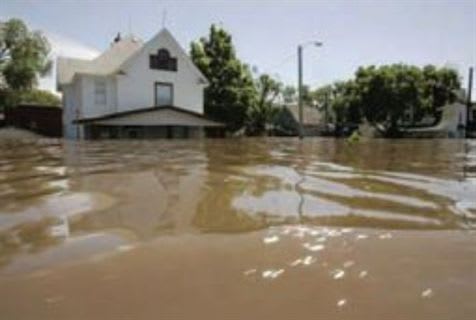
Reminiscent of the scene post-Hurricane Katrina, the Cedar Rapids Flood of 2008 devastated the town of 125,000 June 13 when the Cedar River overflowed its banks before receding about a week later. Total damages were estimated at more than $500 million, according to Dennis Hogan, city fleet services manager, who oversaw a 900-vehicle fleet pre-flood.
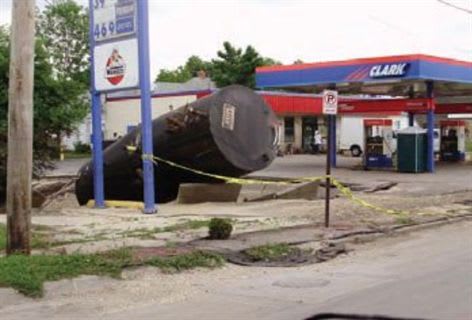
The fleet alone lost 91 units, including trucks, cars, and trailers; all but one fuel island; and four of the City's five garages. In addition, 5,390 homes were evacuated and 10 square miles — 14 percent of the city — were buried under water. Fortunately, no casualties were reported.
The city's fleet staff (42 total) proactively evacuated critical equipment the day before the flood actually hit and temporarily set up operations in a tent erected at the Veteran's Memorial Stadium parking lot. Eventually, fleet moved its operations into an office trailer located at the central fire station's storage facility, which previously was flooded with 12 feet of water.
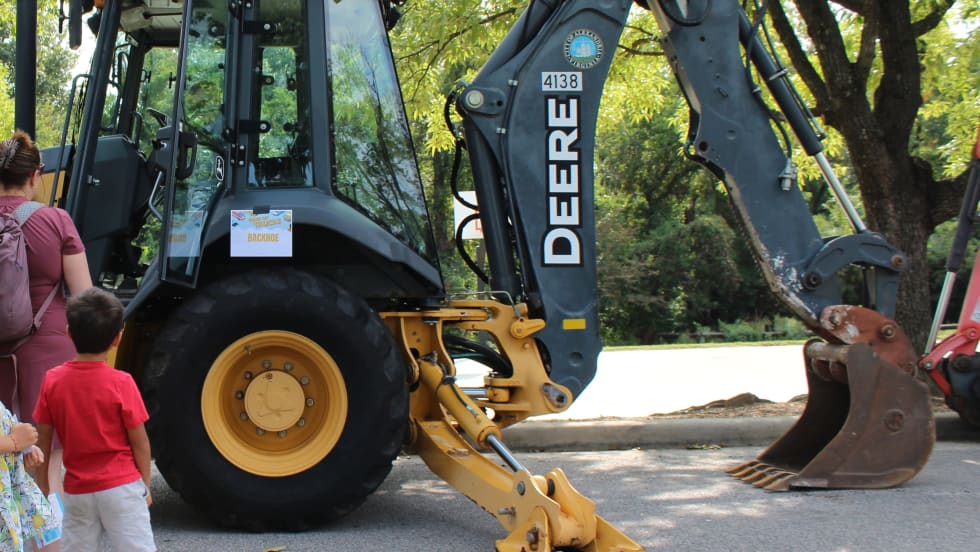
To replace the lost equipment, out of necessity, the fleet sole-sourced vehicles and fuel islands from suppliers that would help get it through the winter since order-to-delivery timeframes would take longer than anticipated. "We must have everything in place for the winter so we can continue to move forward with our recovery effort," said Hogan.
The fleet is purchasing critical vehicles off lots and renting equipment through its vendor network. The City Council must approve all vehicle purchases over $100,000. In the long term, the fleet is utilizing rent-to-own situations in which rental costs come off the purchase price should the fleet decide to buy the units.
[PAGEBREAK]
In October 2007, fleet management consolidated operations for the first time in the city's history, but then lost all the data in the flood, effectively forcing fleet staff to start from scratch.
"Previously, each department did its own fleet management," said Hogan. "We were just getting to the point where I had my team in place; we were jelling together and starting to run the fleet on a consolidated basis by bringing everything into one house. Then the flood hit and we lost everything from a fleet perspective."
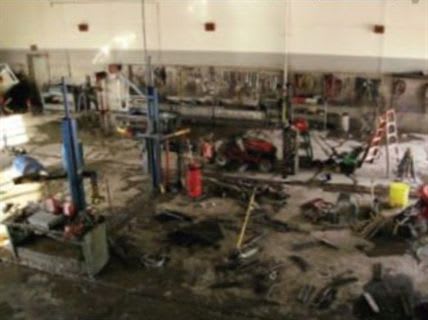
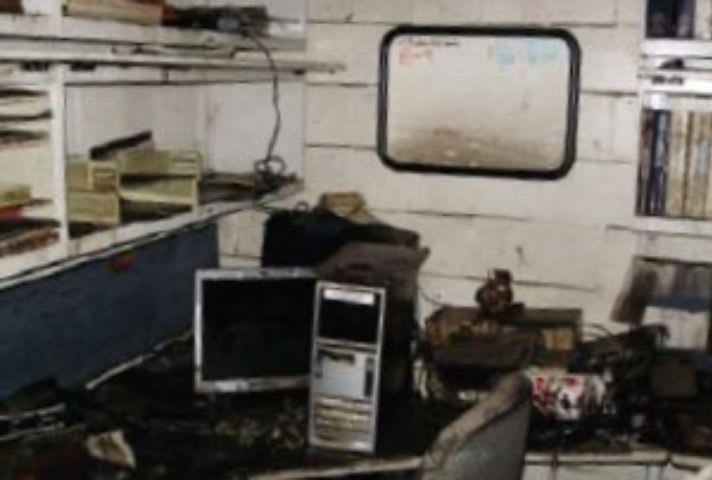
Vehicle files and the fleet's computer network were compromised. Phone systems weren't working and the city's infrastructure was down, so fleet staff used cell phones to communicate. A new fleet management software was purchased and management has been compiling data to work with the new software package.
Since the fleet lost most of its fuel islands, management worked with the supplier to set up temporary fuel sites and record transactions manually. Even before the flood, Hogan had every intention of rolling out an internal service fund July 1, 2008. Despite the crisis, he decided to go forward with the original plan.
"From July 1 on, we had to be ready to provide services to our customers, and I didn't want us to take the approach that because of the flood, we weren't able to execute the plan this year," said Hogan. "I wanted to stick to the schedule to help us sustain the recovery efforts that we had already put forward in getting us back to a 'new normal.' "
Although the City had never been through a catastrophe of this magnitude, fleet employees were as prepared as could be expected. "I've been through ice storms, but there's nothing short of going through an event like this to measure how prepared you really are," said Hogan. "If you build a confidence level that your team will do what they need to do in a crisis, you have gained immeasurably. Although we lacked a working disaster plan, our team was able to make decisions on the spot. We're going to take the lessons we learned and build a disaster recovery plan."
According to Hogan, the City will never return to normal operations. However, the fleet services organization was back to normal operations and working out long-term strategic plans two weeks after the flood.
"My team did a fantastic job. I'm more impressed with this team, having just come together in October last year, and how they stepped up to do what they did during those first days of the flood was absolutely phenomenal," said Hogan. "We were one of the few departments in the City that was up and running just hours after the evacuation. If this had been a situation where I had to direct everything that happened, we would have never made it that far. The team took off with it, knew what they needed to do, and executed flawlessly. If you have to react to a disaster, they did a great job doing it. I just hope I never have to do it again."
[PAGEBREAK]
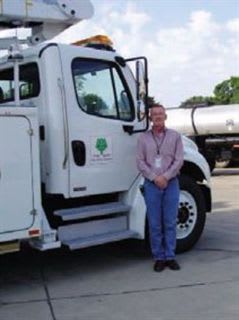
For unfortunate fleet managers who may find themselves in a similar situation in the future, Hogan suggests empowering employees so they know what must be done in advance. Most importantly, his staff was able to communicate at all levels of the organization.
"Having just come together, I spent a lot of time early on discussing my vision for the future, my strategy, what I anticipated people would do, and how things would come together," said Hogan. "This probably paid for itself tenfold in the way our staff responded. My best advice to fleet managers is to have an idea of what it's going to take to get you back up and running from zero, share your business plan, empower your employees to execute what they need to do, and just be there to guide the process."