Red Government Fleet with star logo
MenuMENU
SearchSEARCH

Creating a Culture of Driver Safety: Drivers’ Expectations

A heavy emphasis on pre- and post-trip vehicle walkaround inspections is one driver safety tip, among others.

April 19, 2024
Ithaca offers a traditional stock and an AR-style pistol grip as custom options for its M37 shotguns. Photo: Scott Smith

From pre- and post-trip vehicle walkaround inspections to telematics programs with cameras in vehicles with a goal of reducing accidents and vehicle abuse, there are many ways to improve fleet safety. 

3 min to read


A safety program can’t just be about compliance, according to Nicholas Bradshaw, director of fleet services for the city of Knoxville, Tennessee, fleet department. “I feel like that’s not sufficient because you’re checking the box, ‘I don’t want to get caught, I don’t want to have a violation,’ but that’s not the same as having a safety culture,” Bradshaw said. “We’re trying to prevent injuries, which is the real name of the game, so it’s both things. It’s creating a culture of being intentional and it’s about compliance.”

That culture extends to driver safety, as well.

Ross Jackson, CAFM, of the city of Fayetteville, Ark. places a heavy emphasis on pre- and post-trip vehicle walkaround inspections, and the fleet department will also soon roll out a telematics program with forward-facing and driver-facing cameras in vehicles with a goal of reducing accidents and vehicle abuse.

The department enforces existing policy to direct charge departments for operatorresponsible abuse and neglect, which also assists and incentivizes culture change.

“That kind of created the needed change for getting drivers on board,” said Jackson, who is fleet operations superintendent for the city. These fleets are examples of how safety programs are resulting in a culture of safer driving habits and safer shops.

Creating a Culture of Driver Safety: Drivers’ Expectations

When Jackson started his position with the city, he saw a substantial amount of equipment abuse, especially on the heavy truck side. The city’s fleet of 951 vehicles includes 750 motor pool units.

He began showing up in the early morning hours to see how drivers were performing their pre-trip walkarounds. “The program was lacking,” he said.

Jackson got together with department heads and supervisors to set walkaround expectations. The drivers now perform what Jackson described as “a pretty thorough commercial driver’s license walkaround. ““We keep it pretty simple,” he said. “We don’t really modify a whole lot to what they realistically have already been trained on, so it’s stuff they know. It’s just a matter of enforcing it and holding them accountable, but helping them to do the job that they need to do and also providing the tools to do it.”

The city of Fayetteville also operates an in-house driver training program for drivers, certifying them in house for their entry-level driver training, or ELDT, and provides full CDL and safety training. The city also offers its own third-party commercial driver’s license examination in house.

“I am the examiner, and we license our own drivers,” Jackson said. “It’s hard to find and get CDL driver applicants, so we raise them from within and teach them our safety expectations.”

Craig Croner, CPFP, the Glendale, Arizona, deputy director of field operations, said his department uses the Geotab GPS system, which ensures drivers that the department is tracking their vehicles in case they run into trouble.

The department receives immediate notification if an accident occurs with a G-force over 2.6. “We can use the system to investigate whether the airbag has been deployed and how the accident occurred,” Croner said. He added that the system had exonerated drivers accused of being at fault in accidents.

“We’re self-insured here in the city, so they’re able to avoid costly litigation because of that,” Croner said. “It keeps people safe. We have eyes on our vehicles, and it reassures the drivers that if something does happen, we’ll know the second it happens, and we can get them help as soon as possible.”
Subscribe to Our Newsletter

More Safety

SponsoredJanuary 19, 2026

3 New Ways Fleet Software Pays: ROI opportunities for modern fleet managers

Public fleets face constant pressure to do more with limited budgets. This eBook outlines how modern fleet software helps agencies extend asset life, reduce unplanned downtime, and improve safety by automating maintenance, using smarter video insights, and unifying fleet data. A practical look at how technology can drive measurable ROI for taxpayers.

Read More →
SponsoredJanuary 14, 2026

Behind the Wheel: Distracted Driving in the US Public Sector

Distracted driving is a persistent challenge for public sector fleets, impacting community safety, operational costs, and driver well-being. Samsara’s latest State of Connected Operations report found that 76% of public sector drivers have experienced a “close call” due to distraction—underscoring the urgent need for action.

Read More →
Safetyby Jeanny RoaDecember 22, 2025

Holiday Travel Surge: What Government Fleet Managers Need to Know About Increased Road Risks

As year-end travel reaches record levels, fleet managers must anticipate increased road congestion and safety challenges for government vehicles and drivers.

Read More →
Ad Loading...
SafetyDecember 11, 2025

How Government Fleets Can Reduce Distracted Driving: Key Takeaways

Crashes, near misses, and costly collisions still occur every day. How agencies can better protect their drivers, roadside workers, and communities.

Read More →
SponsoredDecember 5, 2025

The Road to Smarter Electric Van Transitions: A practical roadmap for integrating electric vans into your fleet

Electric vans are becoming a strategic tool, not just a sustainability move. Get a roadmap that breaks down costs, charging planning, upfit compatibility, and what fleets should evaluate before making the switch.

Read More →
Safetyby News/Media ReleaseOctober 29, 2025

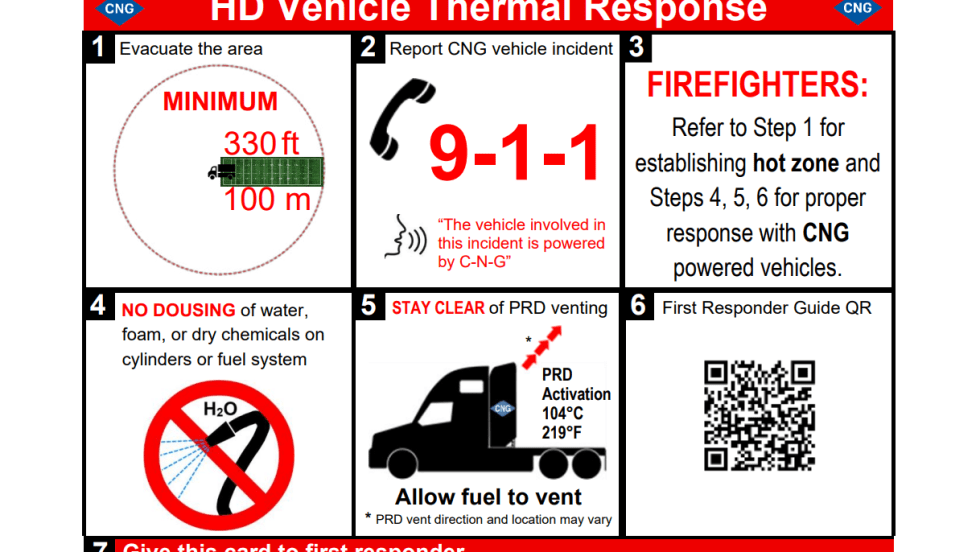
New CNG Vehicle Incident Response Resource Released

The downloadable safety guide contains detailed “Vehicle Crash and/or Leak Response” instructions in addition to “Vehicle Thermal Response” instructions.

Read More →
Ad Loading...
Close-up of a person reviewing charts and a document featuring the Samsara logo, representing research findings on disaster preparedness and operational resilience.
Safetyby News/Media ReleaseOctober 21, 2025

New Samsara Data Reveals Dangerous Gap in Disaster Readiness

A new Samsara report highlights widespread gaps in disaster preparedness among public and private organizations, with most leaders lacking confidence in their ability to respond to major crises.

Read More →
Close-up of a vehicle speedometer representing NYC DCAS efforts to implement Intelligent Speed Assistance technology across city fleet vehicles.
Safetyby News/Media ReleaseOctober 21, 2025

NYC to Make Intelligent Speed Assistance Standard Across More Than 7,000 Fleet Vehicles

New York City is expanding the use of Intelligent Speed Assistance technology across all non-emergency fleet vehicles, marking the world’s largest municipal ISA program, according to NYCDCAS.

Read More →
Safetyby Jeanny RoaOctober 15, 2025

Speed Smarter, See Better: Fleet Innovations from Somerset

Keith Kerman shares how Intelligent Speed Assist and Executive Order 39 aim to make municipalities safer for all.

Read More →
Ad Loading...
SafetyOctober 14, 2025

Inside Alexandria’s Tons of Trucks: A Model for Citizen Engagement in Fleet Operations

A look at how direct public engagement can help fleet departments build transparency, understanding, and trust with the communities they serve.

Read More →