While it might seem obvious, road safety is a shared responsibility, particularly for government fleet drivers who operate vehicles of varying sizes and functions. Whether it's a maintenance truck or an ambulance, as the driver, you are responsible for ensuring your safety and the safety of those around you on the road.
Because of this, we've put together a couple of safety tips tailored to each of the different classes of government fleet vehicles. Each section offers specific insights for safe operation based on vehicle type and duty, helping drivers make informed decisions on the road and develop better driving habits.
Safety Tips for Light-Duty Fleet Vehicles
Visibility Management: Light-duty vehicle drivers should maintain awareness of their surroundings by adjusting mirrors to reduce blind spots. A variety of people drive these vehicles, so taking your time to do your checks before driving is essential.
Merging and Overtaking Larger Vehicles: When merging, allow ample space between larger vehicles and be cautious when overtaking, especially on highways.
Braking Awareness: Smaller vehicles stop faster, so if you're used to driving a larger fleet vehicle, maintain a safe following distance to avoid collisions.
Safety in Urban Settings:
Urban environments pose unique challenges for light-duty fleet drivers due to high pedestrian traffic and frequent stops.
Managing Pedestrian Zones: Stay alert near crosswalks and pedestrian zones, especially during peak hours. A lot of these might seem like obvious tips but can be easily overlooked in a rush.
Frequent Stops and Low-Speed Maneuvering: Something that is different from driving a small fleet vehicle and a personal vehicle is potential frequent stops.
Frequent stops can be dangerous, so exercise patience when navigating congested areas that you need to access. Maintaining lower speeds allows for quicker response times in sudden-stop situations.
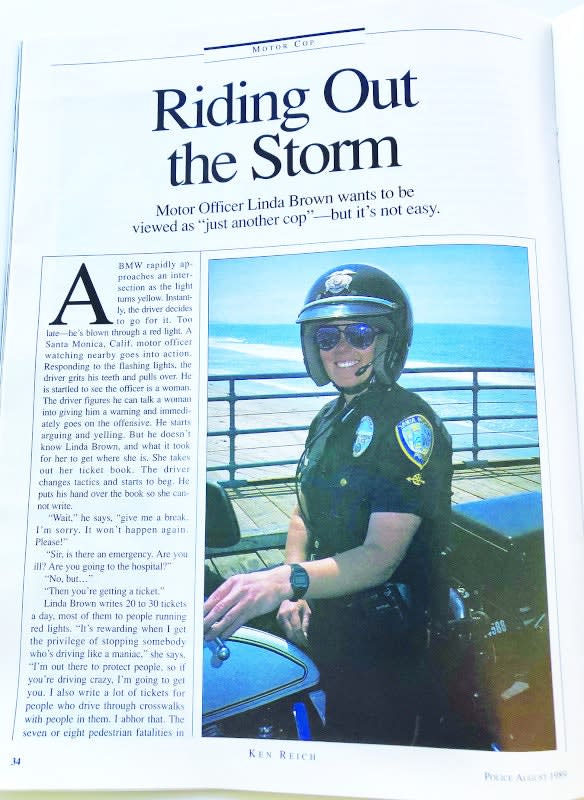
Government fleets commonly use light-duty vehicles as these are more agile, and most drivers are well accustomed to operating them. Still, drivers should remain vigilant, especially around larger vehicles.
Photo: magazine scan
Safety Tips for Medium-Duty Fleet Vehicles
This category encompasses emergency vehicles such as ambulances, which must balance speed with safety, particularly during critical response times:
Speed Control: While speed is often necessary, drivers should remain cautious and alert to prevent further accidents. The use of lights and sirens should be strategic, with careful monitoring of intersections. At the end of the day, some drivers might just not see you, so take caution.
Use of Lights and Sirens: As mentioned, sirens and lights are your best tool to alert other drivers to yield. Avoid excessive use to reduce excess noise when not necessary, and you also don't want to desensitize the public to the sound of sirens.
Intersection Navigation: Navigating an intersection with sirens on can be daunting. Proceed through intersections only when it is safe to do so, as these are high-risk zones for collisions with inattentive or distracted drivers.
Driving Large Pickups and Minibuses
Drivers of larger pickups and minibuses should put a big emphasis on visibility and control, given the size and the potential passenger load.
Managing Blind Spots: Minibuses and other longer vehicles often come with more challenging blind spots to manage. Use extended mirrors to cover as many of the blind spots as possible and lean on blind-spot detection systems when and if you have them available in your vehicle.
Handling Vehicle Width: Wider and longer vehicles require more space for lane changes. Slow and deliberate lane changes help minimize risks and make sure everyone around has had adequate time to recognize your intent to switch lanes and respond accordingly.
Ensuring Passenger Safety: Passengers should always be instructed on proper seating and seatbelt usage to prevent injuries during sudden stops or swerves. While tedious, this is not something that can be left out.

Medium-duty vehicles, such as emergency vehicles, must balance speed with safety, particularly during critical response times.
Safety Tips for Medium to Heavy-Duty Fleet Vehicles
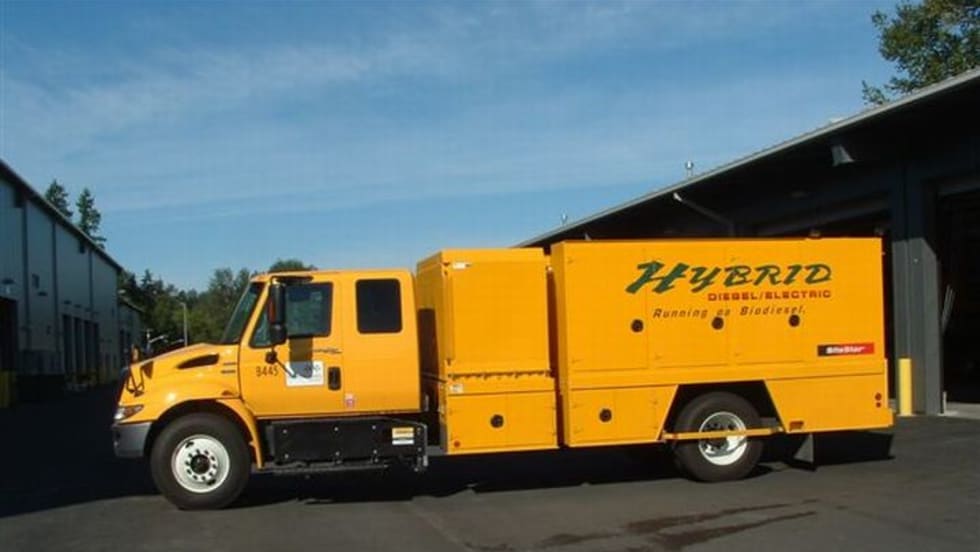
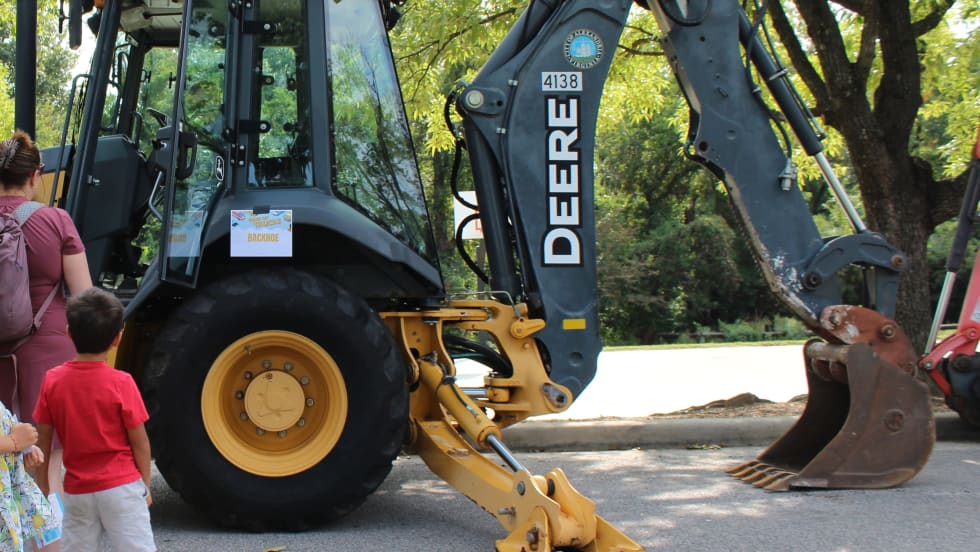
Stabilization Before Use: This is key and lies at the heart of every safety measure put in place for utility vehicles. Stabilizers should be fully deployed and in place with checks before operating the bucket.
Ground Communication: Communicate with ground personnel to minimize risks associated with loading and unloading. Use clear signals, or preferably radio communication, to keep everyone on the same page.
Safe Loading/Unloading Practices: Avoid overloading and distribute weight evenly. While you may be in a rush to get off the job, cutting corners can be dangerous for everyone involved and other drivers passing you on the road.
Rural and Highway Driving
Driving medium to heavy-duty vehicles in rural and highway settings poses additional challenges due to varying road conditions.
Safe Overtaking Practices: Patience is key when overtaking slower vehicles. In many cases, supervisors might recommend avoiding any type of overtaking to deter any chance of something going wrong.
If overtaking is a must, then wait for clear visibility before attempting to pass.
Handling High Speeds and Gradients: Manage speed carefully on highways when operating these larger vehicles, as they can be hard to stop. This can be particularly true when navigating gradients, so make sure you aren't pushing your vehicle too much, and you understand where you are driving.
When it comes to the more heavy-duty fleet vehicles, like refuse trucks and city buses, there are some key safety protocols to handle frequent stops and residential areas.
Safety Tips for Heavy-Duty Fleet Vehicles
When it comes to heavy-duty fleet vehicles like refuse trucks and city buses, there are some key safety protocols you need to follow to handle frequent stops and residential areas:
Frequent Stopping Protocols: Make sure to signal stops well in advance to give surrounding traffic ample time to react. Stop-and-go driving can be risky without predictable patterns, so keeping drivers around you "in the know" is super important.
Safe Navigation in Tight Spaces:Residential areas can often have more narrow roads, which calls for a little more precision and awareness. It's always a good idea to practice cautious turns and use your mirrors as frequently as you can.
Pedestrian Awareness: When driving in residential areas, there will sometimes be pedestrians walking nearby. Stay alert for these pedestrians, particularly children, and keep an eye out near bus stops or residential areas as well. For buses, it's essential to follow any and all specific protocols to ensure the safe boarding and unloading of passengers.
Tractor Trailers and Long-Haul Safety:
For long-haul tractor-trailer drivers, the risks bigger risks are typically associated with fatigue and load management.
Rest Breaks: Scheduled rest breaks are super important, and even required for some drivers, to help combat driver fatigue. A lot of long-haul vehicles have sleeper cabs with truck mattresses, which drivers should always take advantage of if resting overnight on a long-haul project.
Managing Trailer Load: Securing loads is another important factor for preventing shifting, which can impact handling and overall control of the vehicle.
Overloaded trailers also increase braking distances, so it is good practice to always stay below your weight limits, or even leave some room for error.
How Government Fleet Drivers Can Collaborate for Safer Roads
CB Radio Usage for Communication
Using CB radios or other communication tools helps relay road hazards and coordinate movements among drivers, including some residential drivers who might have a CB.
Best Practices for Truck-Fleet Coordination
Drivers can always benefit from knowing each other's schedules, especially in busy areas, to avoid bottlenecks. The last thing you need is the schedule of two drivers being impacted by poor communications.
Respecting Each Other's Roadway Space
Lastly, drivers should practice spatial awareness. Recognizing the unique needs of each vehicle type on the road and allowing for adequate road space is important.