



![Is the law on use of force really changing? What is science saying about bias? What can you do to be safer on the job?[|CREDIT|]Photo: Getty Images](https://assets.bobitstudios.com/image/upload/f_auto,q_auto,dpr_auto,c_limit,w_920/pm.gettyimages-169937496_web_1759886967625_pm6g0r.jpg)
The process of managing a fleet of vehicles can be a daunting task with so many different aspects to consider. Managing a fleet includes maintaining regulatory compliance, maintenance and ultimately the resale of a retired fleet vehicle.
When dealing with issues such as a vehicle shortage some government agencies are hiring, or appointing fleet acquisition managers dedicated to researching alternative vehicles when the preferred vehicle of choice cannot be found.
The Vehicle Hunt: Focus on What You Need
Fleet acquisition managers are tasked with finding vehicles from a limited inventory while using three principles of fleet management: safety, reliability and cost management. Tim Coxwell, CAFM, CPFP, CEM, fleet management division director for the Leon County Sheriff's Office, Florida, referred to his hunt for new fleet vehicles to be an “aggressive scorched earth approach.” Coxwell said, “Get what you can get, whenever and however you can get it.”
This included ordering at levels above the next year’s actual need. The need to hunt is further exacerbated by private company fleets in industries such as petroleum, agriculture, and passenger transportation competing for the same vehicle brands and models.
Coxwell speculated that small to medium size fleets are also hiring fleet acquisition managers so that someone can singularly focus on the specific process. That includes reviewing the requisition and making sure the features offered by the dealer have tangible benefits that satisfy the end user.
![MT2 Firing Range Services Firing Range Filter Treatment [|CREDIT|]Photo: MT2](https://assets.bobitstudios.com/image/upload/f_auto,q_auto,dpr_auto,c_limit,w_684/pm.mt2_filter-disposal-mistake_1759886626326_vxmyte.jpg)
Fleet managers are encouraged to track the costs associated with vehicles and their required maintenance to know exactly how the budget is being spent and how dollars can be stretched further.
Cost Management for Future Acquisitions
Because vehicles have become harder to acquire, fleet managers are forced to balance between keeping vehicles on the road longer while managing the escalating operating costs of older vehicles that still need to be safe and reliable.
Fleet managers are encouraged to track the costs associated with vehicles and their required maintenance to know exactly how the budget is being spent and how dollars can be stretched further. Several fleet managers have stressed the importance of maintaining accurate records of expenses for each vehicle as the data lends well to future acquisitions when comparing the overall operating cost of a particular vehicle.
Failing to maintain accurate data can spoil the business intelligence needed to select a particular make or model of vehicle in the future. Having accurate records of expense from acquisition to retirement can help to guide the decision on future acquisitions.
Data is King: Avoiding Past Problems
With the rise of connected technology largely enhanced by smartphones, data is the backbone of almost every industry. Collecting and analyzing data are a key factor in successfully managing a fleet and determining future acquisitions based upon the past expenses and yields.
By leveraging data, future fleet acquisitions can optimize operations and have a positive impact on the acquisition decision-making process. Government fleet managers are tasked with acquiring vehicles for multiple departments, and data can reveal when the exact same problem is manifested within different departments.
As an example, the same pick-up truck model might exhibit the same problem even though one used by the parks department might not be used as much as the same model issued to the police department.
![Editor David Griffith [|CREDIT|]Photo: Kelly Bracken](https://assets.bobitstudios.com/image/upload/f_auto,q_auto,dpr_auto,c_limit,w_684/pm.edit_david_griffith_websz800x1200_2017_1759886968969_ranmsu.jpg)
Eventually, all vehicles reach a point where downtime and maintenance costs begin exceeding the cost of replacing them.
Reliability and Maintaining a Good PM Program
Reliability remains a crucial component of the vehicle selection process since fleet vehicles play an intricate role in the delivery of products and/or services provided by municipalities to their citizens. Every minute of vehicle downtime costs money, delays projects, and has the potential to affect the customer service reputation.
Maintaining a fleet acquisition strategy that emphasizes dependability is equally important to maintaining a good PM program. The two strategies combined improve reliability and can extend the service life of a fleet vehicle and keep vehicles reliably on the road. Eventually, all vehicles reach a point where downtime and maintenance costs begin exceeding the cost of replacing them.
Settling on a Vehicle Based on the Fleet's Needs
Are agencies “settling” for vehicles when they can’t get their preferred or requested vehicle? It depends on who you ask. In many cases, when Coxwell found a particular vehicle, he was unable to get the equipment to upfit it for public service. In cases like this, choosing a different vehicle may be the only option left.
However, Darryl Syler, CPFP, chief of fleet services for the City of Alexandria, Virginia, explained that this may not be the case when asked about settling. Syler had to adapt to extended life cycles and extended wait times creating a new normal while also adjusting the “out” life cycle.
Syler added that Alexandria might have always been able to get a particular OEM that it would normally seek but says this wasn't a new issue and is also one that is largely dependent upon an agency’s previous purchasing relationship.
The willingness to settle on another vehicle varies from fleet to fleet based on the fleet staff, fleet tools and equipment already owned, existing parts inventory, technician experience, driver preferences, and command staff preference.
The Need for Fleet Acquisition Managers
While vehicle acquisition is a part of a fleet manager’s responsibility within most fleets, the task of finding vehicles has literally become a full-time job due to the shortage of fleet vehicles. NAFA, APWA, and AEMP all teach the acquisition process in their coursework that certifies a fleet or equipment manager, according to Coxwell.
In his opinion, the length of time between budget submissions, approvals, and ever-changing ordering deadlines makes the process of acquiring a vehicle a more difficult job that now requires a dedicated person.
“From what I have been able to see and learn over the years, having someone dedicated to managing your assets from cradle to grave along with being able to stay on top of all of the challenges we have with the supply chain, it is good to have a go-to for these [fleet acquisitions]," Syler added.
Syler is a Certified Public Fleet Professional and shared that fleet managers have a lot of duties and responsibilities to juggle and having a dedicated acquisition manager “is a plus” in the fleet management arena.
It is important to note the difference in the chief or division director of a fleet and a fleet acquisitions manager. The acquisitions manager can focus on vehicles and equipment whereas the chief/director has the overall fleet picture to ensure the fleet department is working in unison with everything else, according to Syler.
Keeping Vehicles on the Road: Relationship Management
In an era where electronic parts, vehicles, and people are in short supply, Syler shared how important relationships are to keeping vehicles on the road. A successful acquisitions manager must establish and maintain relationships with OEMs and local vendors, and know the purchasing system inside and out for their agency/city.
Syler stressed, “They need to know vehicles and equipment and who the go-to people are in the industry. Most importantly, they must listen to and know the needs of their “customers.”
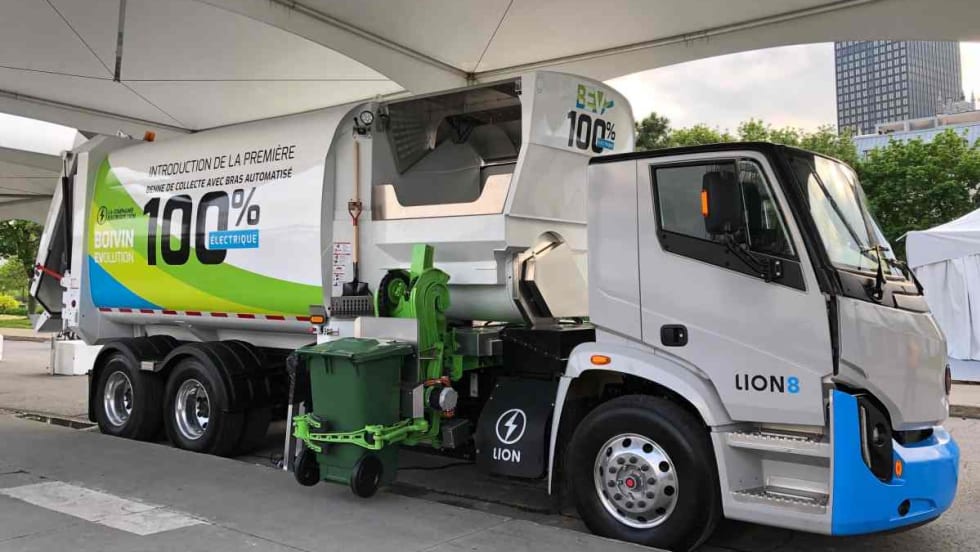
That means knowing the people who will operate fleet vehicles and what the intended purpose is of each vehicle. Both Coxwell and Syler say that specialized vehicles like police cars, ambulances, refuse trucks, and fire trucks require an acquisition manager who handles those vehicles from “cradle to grave,” an industry term for acquisition to auction disposal.
Purchasing specialized vehicles like these requires a good understanding of the fleet as well as having a good working relationship with the OEM’s and vendors, according to Syler.
Compensation Expectations in Fleet
Like most jobs, the pay for fleet managers, directors, chiefs and acquisition managers ranges based upon geographic locations of a fleet, the size of the fleet and the size of the operating entity. Those working for smaller townships with small fleets would not expect the same pay as fleet managers working for large counties or cities.
“Over the years that I have been in this industry, the role of fleet managers and directors are taken more seriously now as the cost of vehicles and overall ownership has risen," Syler noted. "Technology has given us better tools to work with and has made us more efficient in what we do.”
The Future of Fleet Acquisitions
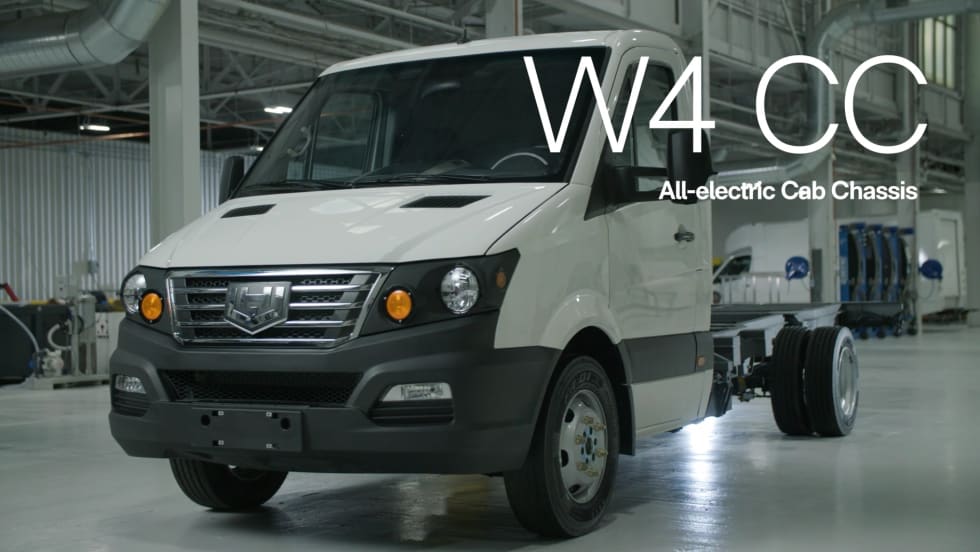
As we move deeper into green vehicles, it will be important for fleet acquisition managers to have a full grasp of the suitability side of the business as more agencies transition to battery-electric vehicles, zero-emission vehicles, and hybrids.
With the new technology and supply issues, fleet management will be ever evolving for the foreseeable future. Fleet managers cannot become complacent in their work and must stay ahead of the game in terms of technology and vehicle suitability.
Editor's Note: This article was originally published in October of 2022 and has been updated to fit Government Fleet's style guidelines.