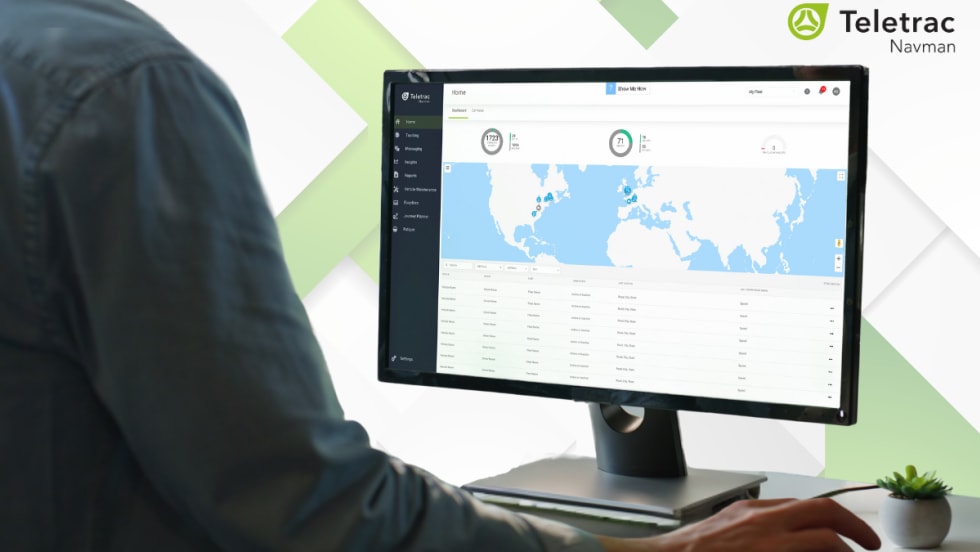
Public and private organizations are increasingly investing in the Internet of Things (IoT) to acquire data needed to manage assets, optimize logistics, and ensure effective governance. Telematics is one of several IoT technologies that organizations are deploying to manage not only fleet assets, but other aspects of their business as well, such as their workforce, products and materials, and delivery of services.
Telematics solution providers (TSPs) are keenly aware of their potential role as enablers in the IoT market. As such, TSPs are aggressively developing mobile apps, integrating cameras and sensors, providing robust application programming interfaces (APIs), and embedding other innovative gadgets into their products to address customer demands.
Whether you are looking to subscribe to a telematics platform or seeking to renew an existing subscription, it is imperative to engage in some due diligence to ensure a solution will meet your organization’s needs and deliver on functionality. You don’t want to discover after you’ve subscribed to a TSP’s service that certain “techno magical” features you’ve seen are only available with certain telematics hardware models or apply to specific asset manufacturers, nor do you want to find gaps in core functionality. By performing the following steps, you will be much closer to realizing the benefits and opportunities telematics offers.
Define Service and Functional Requirements
Define the functional, technical, and service levels your organization requires in a solution. Think of defining requirements for a telematics solution like developing specifications for buying a new truck; you are listing the technical capabilities, service and warranty levels, and vendor performance that are desired. Engage various stakeholders — fleet, operations, field services, risk management, human resources, legal, and other organizational components.
The requirements you develop should be used as part of evaluating a TSP and its technology (i.e., does this solution meet this requirement?), and ultimately used to produce a report card of which of your needs are met and which are not. If you are evaluating multiple solutions, use these report cards to compare the strengths and weaknesses of each product.
Because it is a time-consuming process and internal expertise on telematics solutions is not always available to aid in the process of defining requirements, many organizations make the fundamental mistake of developing “high level” requirements, adopting specifications from another organization, or skipping the effort altogether. These approaches almost invariably lead to additional costs to address gaps in service or capabilities — not a position you want to be in after signing a contract. Instead, consider hiring a consultant to assist with developing requirements and evaluating solution functionality and TSP service levels.
Try Before Subscribing
Vendor-led demonstrations are a fantastic way to learn about a TSP’s technology, services, and experience, but also recognize that these presentations are usually well-scripted, focus on the most impressive features of their product, and highlight success stories. These presentations and even a demo version of a solution will provide some good insights, but fall short in ensuring that a product will perform equally as well within your fleet. For example, not every telematics solution captures the same level of diagnostics information on light-duty vehicles, even varying in data fidelity between different equipment manufacturers and models.
Pilot projects are a great approach for validating a product’s capabilities beyond the marketing sizzle and sales pitch. Most TSPs are willing to accommodate a small pilot project, and any associated fees are typically fairly minimal. Pilots usually involve upfitting a few assets that are representative of major asset classes, mission-critical vehicles, and specialized equipment that will simulate a production environment for testing and validating a solution’s capabilities (e.g., system features, ease of use, level of asset data acquired and available through API calls, and even the TSP’s knowledge and ability to perform).
Ideally, the pilot should include the hardware models and peripherals being proposed. For example, a standard cellular antenna that comes with a telematics package may not work well enough in the remote areas where your fleet operates. Knowing this before purchasing will allow you to modify the hardware configuration if needed.
Get Detailed About Hardware
Hardware is one of the most critical components of a telematics solution, because its capabilities are limited by internal components. TSPs offer several hardware options, each with its own features and capabilities that you will need to understand.
Focus on aligning telematics hardware with your fleet assets by providing the TSP with a complete inventory of equipment (powered and non-powered) that are to be upfitted and any peripherals desired. Most TSPs will request this information to develop a telematics hardware profile (i.e., telematics devices, cabling, electronic logging devices, cameras) as part of scoping a project. You will want to review the hardware profiles with the TSP to validate that the proposed system includes everything you need. Expect to roll up your sleeves and dig into the technical details, such as out-of-coverage storage capacity on telematics devices (e.g., 30 days), battery life for non-asset powered telematics devices, installation services, warranty coverage, hardware upgrade programs, and support services.
Additionally, consider whether to lease or buy telematics hardware. Your organization’s requirements and technology are continuously evolving and, in some cases, that rate of change is every 24 months or less. This is the new reality we all live in, and the rate of change will continue to accelerate as new service lines and technologies — such as 5G — emerge, resulting in shorter cycles for adopting and retiring. Many businesses recognize the need for flexibility and are electing to lease telematics, allowing them to pivot to newer hardware versions and adopt peripherals more quickly.
Benefit from New Technologies
Telematics and other IoT solutions are incredibly powerful and have a nearly unlimited number of applications. IoT solution providers, like TSPs, are rapidly developing and marketing new features, peripherals, and integration capabilities that offer significant benefits and opportunities to nearly every business activity. However, recognizing the rewards that IoT offers requires some due diligence on the fleet manager’s part to ensure that they will work with your assets and meet your business needs, and you are well positioned to continue to evolve.