Red Government Fleet with star logo
MenuMENU
SearchSEARCH

How to Start a Fleet Safety Newsletter

If you want drastic accident reductions, your drivers need continuous safety training. A safety newsletter may help reinforce what they've learned.

by John Kuder, Avatar Fleet
August 17, 2021
Although most agencies have patrol computers, some don't. So some respondents said they needed in-car laptops or tablets.[|CREDIT|]Image: Kevin Haegele

When you align every part of your safety training, you will see exceptional results.

3 min to read


Safety training is not an event. It’s a process. If you want drastic accident reductions, your drivers need continuous safety training.

An effective safety training program uses a four-step process:

  1. Assign new hires online safety training

  2. Conduct in-person safety training for new-hires

  3. Host monthly safety meetings focused on your most important defensive driving behaviors

  4. Frequently send safety tips to your drivers

You can achieve the fourth step with a safety tips newsletter.

How to Effectively Implement a Safety Tips Newsletter

Sending the newsletter is easy. There are many free programs that do it for you.

Execution is a bit trickier. You need the answer to three questions:

  • How often should you send the newsletter out?

  • What content should your safety tips cover?

  • How can you make sure your drivers actually read it?

Decide Newsletter Frequency

We recommend sending it out weekly. It all comes down to return on investment.

If you send out the newsletter daily, you’ll have a diminishing return on investment. Your extra time and effort won’t lead to less accidents. A monthly newsletter will save you time, but you won’t achieve meaningful results. A weekly newsletter gets you the necessary results without extra work.

Determine Newsletter Content

Let’s revisit our outline for an effective safety training program.

In new-hire training, department managers should teach drivers everything they need to know about accident prevention.

In each monthly safety meeting, you should focus on a single safe behavior necessary for preventing one of your organization’s most common and costly accidents (i.e. intersection safety, maintaining a safe following distance, pedestrian and cyclist awareness, etc.).

Finally, your weekly safety tips newsletter should drill even deeper into preventing your most common and costly accidents. Each weekly newsletter should focus on one topic directly related to the monthly safety meeting.

For example, if your monthly safety meeting covers intersection safety, your weekly newsletters that month could discuss:

  • How to safely approach and navigate intersections

  • Performing safe right turns

  • Performing safe left turns

  • Pedestrians and cyclists at intersections

When you align every part of your safety training, you will see exceptional results.

Ensure Driver Engagement

Here are three easy steps to ensure your drivers read your newsletter and put the tips to use:

  • Send out the newsletter on the same day every week. When you follow a schedule, your drivers will know when to expect the newsletter and more of them will read it.

  • Make it all about them. Focus on how your newsletter will help drivers. When you introduce this initiative, explain to your drivers that reading the newsletter will make their jobs easier and help keep them safe.

  • Get your managers involved. Ask department managers to read the newsletter and engage drivers on the tips that are covered. They should meet with their drivers each morning when you send out the newsletter to discuss the content.

The Final Touch on Your Safety Training Program

A weekly safety tips newsletter could make all the difference for driver safety.

For just a couple hours of your time each week, you can dramatically reduce accidents and improve your safety culture. You’ll reap the rewards of lower
About the Author:  John Kuder is a senior instructional designer at Avatar Fleet, the creators of the non-CDL safety training course, The Fleet Safety Course. This article was authored and edited according to GF editorial standards and style. Opinions expressed may not reflect that of GF.

Subscribe to Our Newsletter

More Safety

SponsoredJanuary 19, 2026

3 New Ways Fleet Software Pays: ROI opportunities for modern fleet managers

Public fleets face constant pressure to do more with limited budgets. This eBook outlines how modern fleet software helps agencies extend asset life, reduce unplanned downtime, and improve safety by automating maintenance, using smarter video insights, and unifying fleet data. A practical look at how technology can drive measurable ROI for taxpayers.

Read More →
SponsoredJanuary 14, 2026

Behind the Wheel: Distracted Driving in the US Public Sector

Distracted driving is a persistent challenge for public sector fleets, impacting community safety, operational costs, and driver well-being. Samsara’s latest State of Connected Operations report found that 76% of public sector drivers have experienced a “close call” due to distraction—underscoring the urgent need for action.

Read More →
Safetyby Jeanny RoaDecember 22, 2025

Holiday Travel Surge: What Government Fleet Managers Need to Know About Increased Road Risks

As year-end travel reaches record levels, fleet managers must anticipate increased road congestion and safety challenges for government vehicles and drivers.

Read More →
Ad Loading...
SafetyDecember 11, 2025

How Government Fleets Can Reduce Distracted Driving: Key Takeaways

Crashes, near misses, and costly collisions still occur every day. How agencies can better protect their drivers, roadside workers, and communities.

Read More →
SponsoredDecember 5, 2025

The Road to Smarter Electric Van Transitions: A practical roadmap for integrating electric vans into your fleet

Electric vans are becoming a strategic tool, not just a sustainability move. Get a roadmap that breaks down costs, charging planning, upfit compatibility, and what fleets should evaluate before making the switch.

Read More →
Safetyby News/Media ReleaseOctober 29, 2025

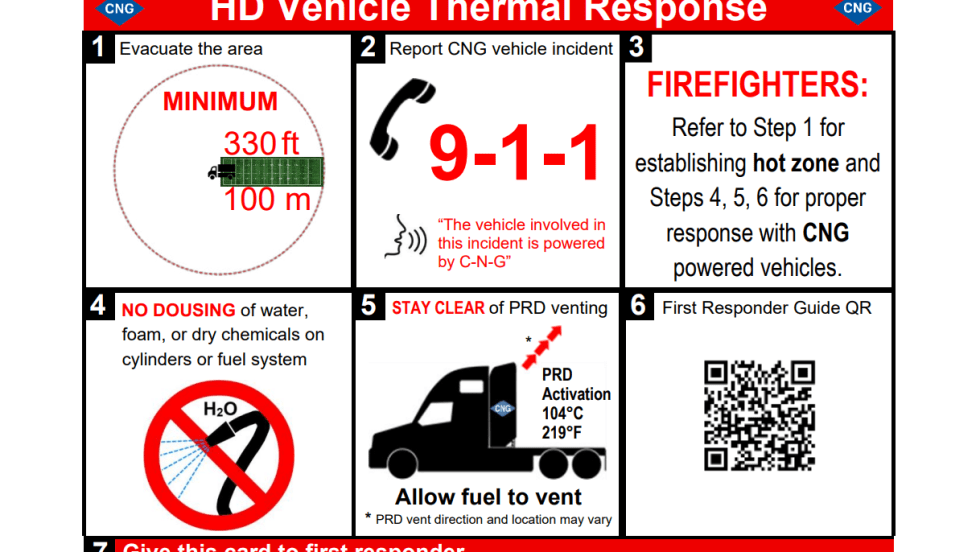
New CNG Vehicle Incident Response Resource Released

The downloadable safety guide contains detailed “Vehicle Crash and/or Leak Response” instructions in addition to “Vehicle Thermal Response” instructions.

Read More →
Ad Loading...
Close-up of a person reviewing charts and a document featuring the Samsara logo, representing research findings on disaster preparedness and operational resilience.
Safetyby News/Media ReleaseOctober 21, 2025

New Samsara Data Reveals Dangerous Gap in Disaster Readiness

A new Samsara report highlights widespread gaps in disaster preparedness among public and private organizations, with most leaders lacking confidence in their ability to respond to major crises.

Read More →
Close-up of a vehicle speedometer representing NYC DCAS efforts to implement Intelligent Speed Assistance technology across city fleet vehicles.
Safetyby News/Media ReleaseOctober 21, 2025

NYC to Make Intelligent Speed Assistance Standard Across More Than 7,000 Fleet Vehicles

New York City is expanding the use of Intelligent Speed Assistance technology across all non-emergency fleet vehicles, marking the world’s largest municipal ISA program, according to NYCDCAS.

Read More →
Safetyby Jeanny RoaOctober 15, 2025

Speed Smarter, See Better: Fleet Innovations from Somerset

Keith Kerman shares how Intelligent Speed Assist and Executive Order 39 aim to make municipalities safer for all.

Read More →
Ad Loading...
SafetyOctober 14, 2025

Inside Alexandria’s Tons of Trucks: A Model for Citizen Engagement in Fleet Operations

A look at how direct public engagement can help fleet departments build transparency, understanding, and trust with the communities they serve.

Read More →