

No organization can effectively manage costs they can’t see. That’s why it’s so important to do everything one can to make costs transparent, especially because there are a number of critical changes and trends affecting the industry that are increasing the cost of operating a fleet.
A July 14 webinar sponsored by Long Beach Clean Cities and presented by Government Fleet, MEMA, and Mercury Associates focused on the increasing need to be aware of what you’re truly working with.
Titled “How To Improve Cost Visibility and Accountability to Reduce Operating Costs,” moderator Ron Lindsey, fleet management director for San Bernardino County, Calif., guided a presentation by Paul Lauria, president of Mercury Associates, and Scott Conlon, managing director of Mercury Associates, that discussed everything fleet managers need to know to be able to lead successfully.
Understanding the Importance of Managing Costs
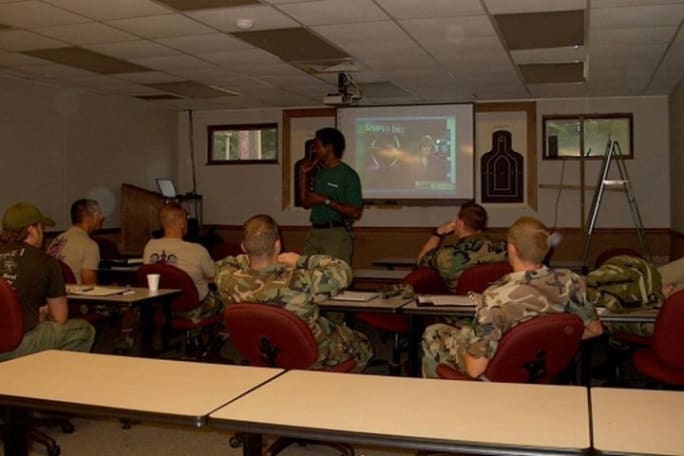
Ron Lindsey, fleet management director for San Bernardino County, Calif.
There are a few factors to consider when it comes to managing costs:
Fleet Ownership Costs
Vehicles
Vendors
Titles and registrations
Fleet Operating Costs
Drivers/operators
Fleet management employees
Parts
Maintenance facilities
Vendors and contractors
Fuel
Fueling facilities
Charging stations
Indirect/allocated costs
It’s important to note the costs of operating are increasing due to changes in automotive and information technology, as well as changes in the workforce. As vehicles change, so does the knowledge it requires to keep them running properly and safely.
In the current recession, decision makers are likely to make directives that will affect operating costs both positively and negatively. Based on past recessions, some directives may include the following:
Reduce fleet management program expenditures
“Rightsize” (i.e., downsize) the fleet
Curtail take-home use of vehicles
Curtail use of personally owned vehicles
Investigate outsourcing
Reduce “excess” fleet replacement reserves
Explore leasing and other financing options that leverage cash
“It’s difficult to manage, let alone intelligently reduce or curtail, fleet operating costs if you don’t have a good idea as to why those costs are what they are and to what degree you have control over those factors,” Lauria explained.
Managing Expenditures Versus Costs

Paul Lauria, president of Mercury Associates
It’s vital to note expenditures and costs are not the same thing. Budgets are spending plans and authorizations; a roadmap you put together every year for how you are going to fulfil your mission of providing service. However, an organization may consistently live within its budget but still have high costs.
During the presentation, Lauria walked viewers through a real-world example of this, which you can watch in full at the 16:53 mark of the on-demand webinar.
Making Costs Visible and Comprehensible
One of the ways to make costs more visible is by using a cost charge-back system. This system is used for a variety of reasons. One is to facilitate the distribution of general government costs to non-governmental fund entities who might not otherwise pay their fair share of such costs. Another is to accumulate reserves over multiple fiscal years to pay for the replacement of capital assets. Lauria believes the most important reason is to improve the management of resources by increasing the visibility of their costs.
“The premise is if you require the users of goods and services to budget and pay for the services and the resources they consume, they will do a better job of managing their consumption,” he said.
So how can a cost charge-back system improve operating cost management? Just distributing costs won’t help; it’s all in the manner in which those costs are distributed. In order for a charge-back system to improve resource management, the costs of fleet resources must be made visible and comprehensible.
Cost visibility makes it possible to assess whether or not a cost is reasonable or not. This is essential for creating cost accountability, which leads to effective cost management and control.
“No organization can effectively manage costs it cannot see, understand, and for which it cannot hold the appropriate parties within the organization accountable,” he said. “In order for a cost charge-back system to improve cost management, the providers and consumers of the resources must be allowed to manage their costs.”
Do’s and Don’ts of Using Cost Charge-Back Rates to Discuss Outsourcing

Scott Conlon, managing director of Mercury Associates
Budget cuts often prompt fleet user agencies to question why they can’t outsource the maintenance and repair of their vehicles to “save money.” Such questions usually are triggered by the belief that in-house maintenance and repair (M&R) charges are excessive. While this may be true, cost charge-back rates may not be a good gauge of cost savings opportunities because such rates usually recover some costs that are unavoidable.
Conlon then presented an example at the 38:48 mark which showed while outsourcing might save money for, say, a solid waste department, it could lead to fleet customers “abandoning ship” to run decentralized programs as the rates increase to account for a shrinking rate base.
“There are other alternatives to complete outsourcing – first and foremost is addressing staffing surpluses and low productivity,” Conlon explained.
For more detailed information, click here to view the full presentation on demand.


![Officer Anthony Catania, of the Frankfort Police Department, became the first officer to hit the streets in Kentucky through the M-2-LE program.[|CREDIT|]PHOTO: Frankfort Police Department](https://assets.bobitstudios.com/image/upload/f_auto,q_auto,dpr_auto,c_fill,w_980,h_552/pm.cantania-02_1759887421355_f2jvs0.jpg)