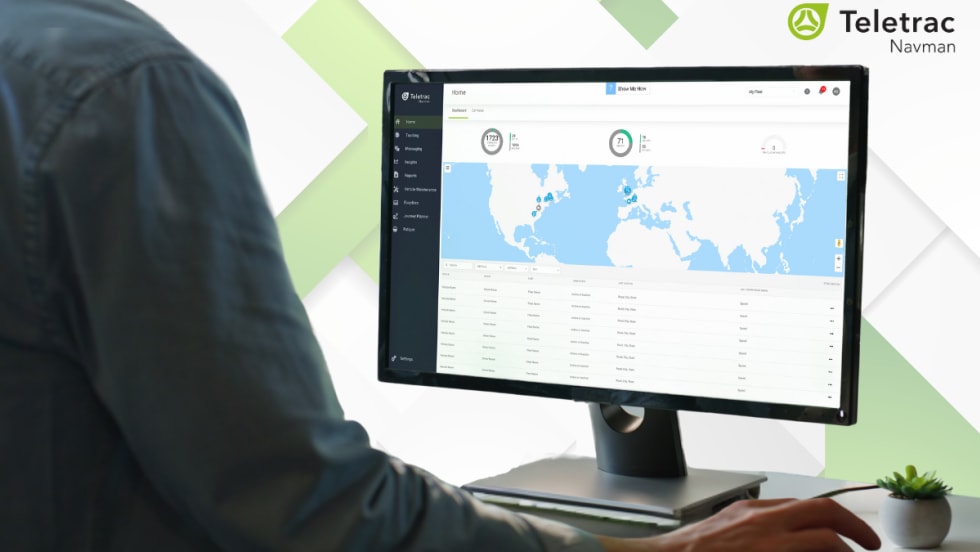
While the term telematics has existed since at least 1995, it is sometimes misunderstood. Sometimes called fleet tracking, telematics provides operational information about a vehicle including documenting when the engine was turned on and off, where the vehicle was when those functions were performed, the current speed of the vehicle, the maximum speed achieved during a trip, and more.
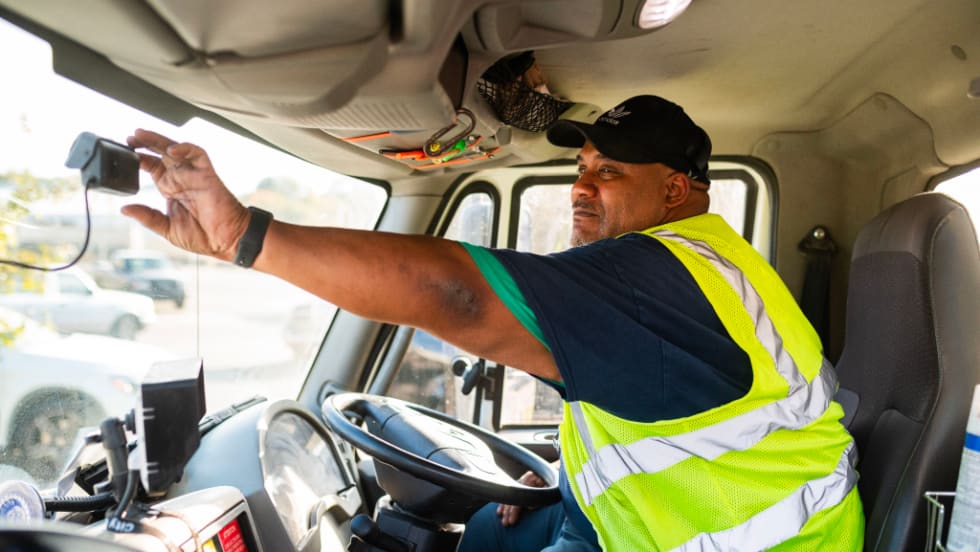
When integrated with onboard camera systems, cameras can be accessed in real-time to see the same view as the driver or set to capture triggered events such as hard braking, hard acceleration, or rocking the vehicle excessively. Telematics can be considered a watchful eye over every move a driver makes and a tool that tells dispatchers where their vehicles are and what they are doing at any given moment.
Using Data to Improve Driver Behavior and Save Money
Telematics data is vast and can be used for everything from increasing productivity to counseling errant drivers. In 2004, The Limousine Scene, a Bakersfield, California-based limousine and bus service, realized they had some problems with fleet management. The monthly fuel costs were soaring well above what they should be based on the volume of business being conducted. The accrued fleet mileage was also disproportionate to the jobs being performed. Fleet Manager Rodney Frame was desperate to reign in the out-of-control spending and unauthorized use of vehicles.
As the company silently added telematics to its vehicles, Frame found many limo drivers performing unauthorized trips and pocketing cash. In between company-assigned trips, limos were found idling at airports, hotels, and bars waiting for an unreported cash paying customers to come along. Telematics data put a stop to increased miles added to vehicles, loss of revenue, the excessive fuel purchases and theft.
The implementation paid for itself in a relatively short period of time. Telematics data should be thoroughly scrutinized to achieve maximum benefit and fleet managers should assign a dedicated person to review the data with specific observations defined such as speeding, excessive idling, and other concerns unique to your own operations.
Improving Dispatch Efficiency
The level of efficiency and productivity is greatly improved with telematics incorporated into dispatch systems using GPS. Calls for service, route deliveries, and resource management are vastly improved by being able to view telematic equipped vehicles on a map and determine the closest vehicle available to handle a service call. It can eliminate vehicles crisscrossing paths and wasting fuel and time.
Establishing Work Zones Using Geofencing
One of the biggest wastes in fleet management is fuel. This is especially prevalent when employees travel out of assigned work areas to run personal errands or use fleet vehicles for other unauthorized purposes. Geofencing allows fleet managers to set work zones using electronic “fencing” that notifies managers when a driver leaves an assigned work area. Geofencing can be defined daily or setup as a constant service zone.
Cutting Down on Vehicle Idling
Unauthorized use of vehicles isn’t the only waste of fuel. Excessive idling for long periods of time causes premature wear of engines. According to Gary McLean, fleet manager for the city of Lakeland, Florida, “excessive idling, particularly in gasoline powered engines, causes additional wear due to engine cylinder washdown from fuel blowing past into crankcases, simultaneously causing premature oil failure and internal parts wear.”
Telematics reports include showing how long vehicles were left idling as well as the exact location. These individual vehicle reports can be tallied to show the total amount of hours collectively wasted through vehicle idling. “Excessive idling contributes to air pollution and results in incomplete fuel combustion, leading to fuel dilution and lowered oil viscosity and oil pressure, all of which increase the risk of wear” says Bob Stine, director of fleet management for Hillsborough County in Florida.
Maximizing Vehicle Usage
Telematics can help fleet managers improve productivity by knowing where each vehicle is and scheduling the vehicle’s next assignment based upon location, vehicle capabilities, and current workload.
Equalizing Mileage Across the Fleet
Maintaining equal miles is a goal of Stine’s. “We try to even out end of life cycle replacements to that we have an equal number of vehicles in the same asset class being replaced annually” Stine says. Having a plan for equalizing mileage helps avoid certain vehicles being overused and others from being underutilized. While not a primary goal for McLean, he says, “we encourage vehicle rotation within departments where feasible.”
Mileage equalization is especially important when you have a mix of new and old vehicles in your fleet. When drivers are assigned a short-term use vehicle from a pool, it’s logical that they will want to drive the newest vehicle in the fleet. This might be the best solution for a long-distance trip as it ensures reliability. However, the older vehicles in the fleet should be utilized for short local trips to avoid premature wear. Stine shares another important factor of equalizing mileage. “It helps us budget, it spreads out vehicle age, it minimizes risk potential if all of your assets are tied up in a vehicle recall,” Stine says.
Putting a Halt on Aggressive Driving
Nothing wears out or damages a fleet vehicle more than abuse. We all know that rental cars are frequently driven more aggressively than someone might drive their personal vehicle and fleet vehicles tend to fall into the pattern of abuse. “It’s simply a case of lack of personal ownership for the assets being used. Pool vehicles in particular seem to be ripe for neglect. Our pool vehicles constantly require monitoring by fleet management to ensure they’re safe and serviceable because drivers don’t feel responsible for the vehicle’s care,” McLean says.
Stine adds, “whether it is a vehicle or other equipment asset, if you own it, you are more responsible for the upkeep of the asset because you are paying the bills for it and must suffer the consequence if you don’t have it available due to negligence.”
Telematics provides data about aggressive driving, including heavy accelerations or sudden braking actions. Speed readings are recorded and can be set to alert and/or report speeding to managers in real-time.