Sponsored
Why One Car Wash Wasn’t Enough For This Fleet
Limited wash locations can increase travel time, fuel costs, and admin work for fleets. Here’s how one government fleet expanded access and simplified operations.
Read More → MENU
MENU SEARCH
Limited wash locations can increase travel time, fuel costs, and admin work for fleets. Here’s how one government fleet expanded access and simplified operations.
Read More →


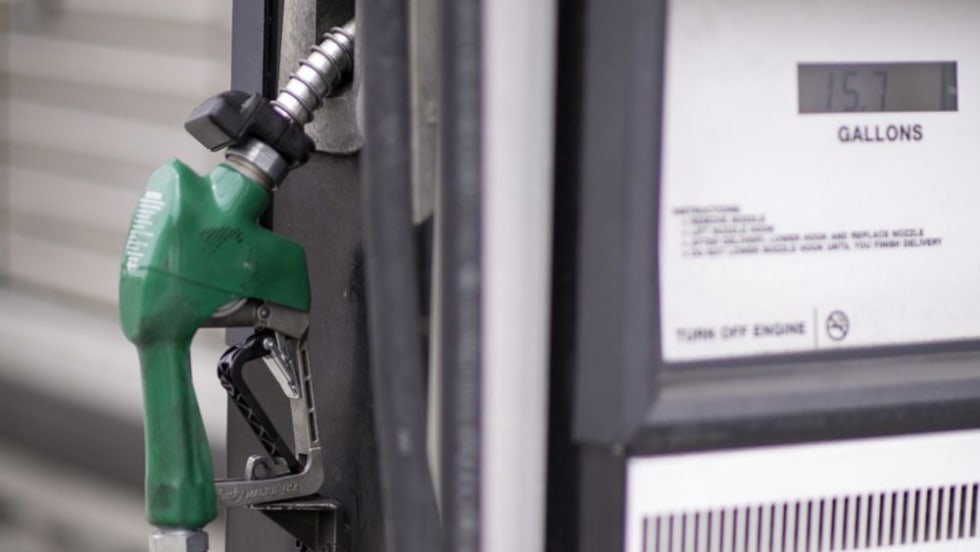
With above-ground fuel tanks, the City of St. Joseph is expecting fewer service interruptions during flooding and lower maintenance costs.
Read More →
The replacement fuel tank is ideal for fleets who want to maximize fuel capacity and driving range without sacrificing valuable space in the truck bed.
Read More →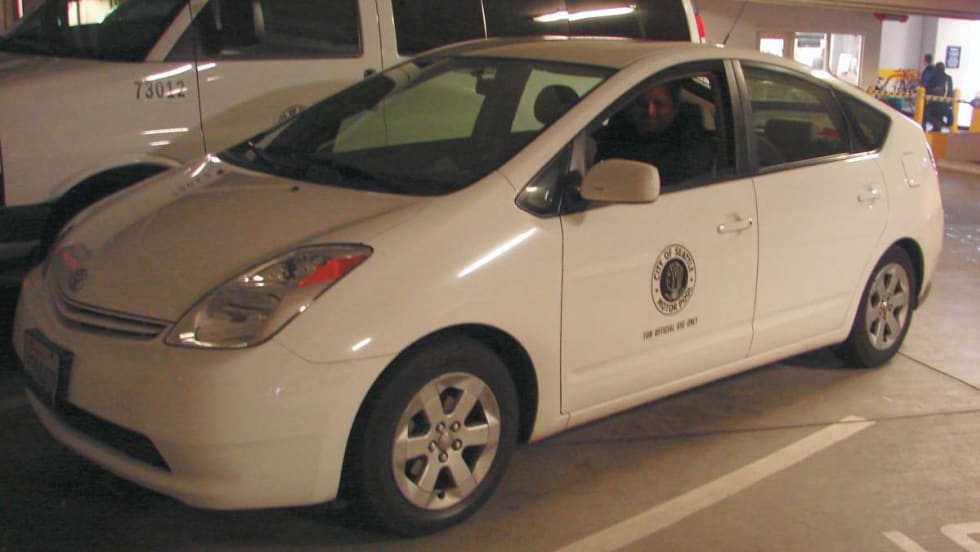
The City of Seattle is piloting renewable isobutanol blended with unleaded gasoline in its fleet vehicles to reduce carbon intensity levels.
Read More →
Fleet operations often work along imaginary lines that separate city, county, and state entities. But combining resources can help agencies take advantage of economies of scale.
Read More →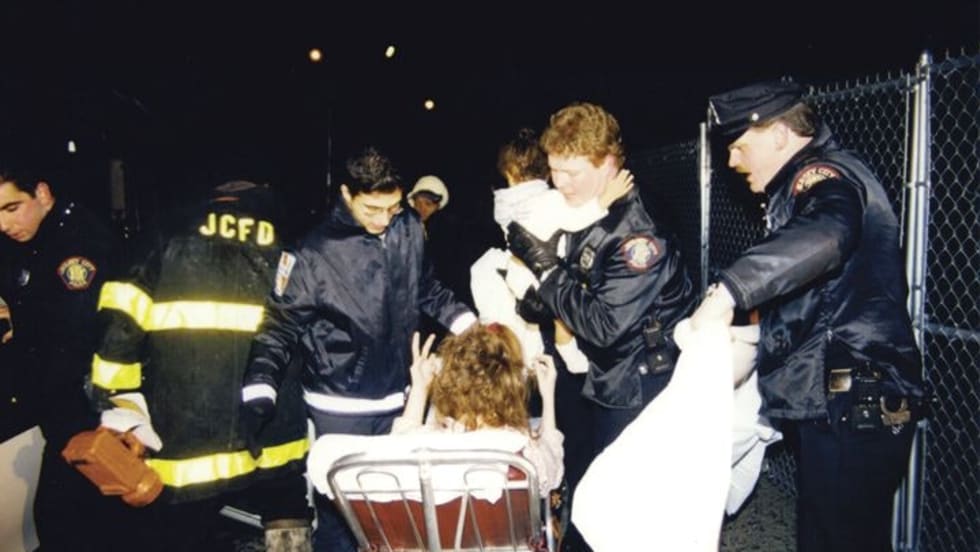
Maintaining your agency’s fuel sites is an important step in keeping them compliant and functioning — and ensuring fleet vehicles can access the fuel they need.
Read More →
During the first six months of fiscal-year 2019, the City of Peoria, Ariz.'s diesel and unleaded fuel costs were about 12% higher than projected the year before.
Read More →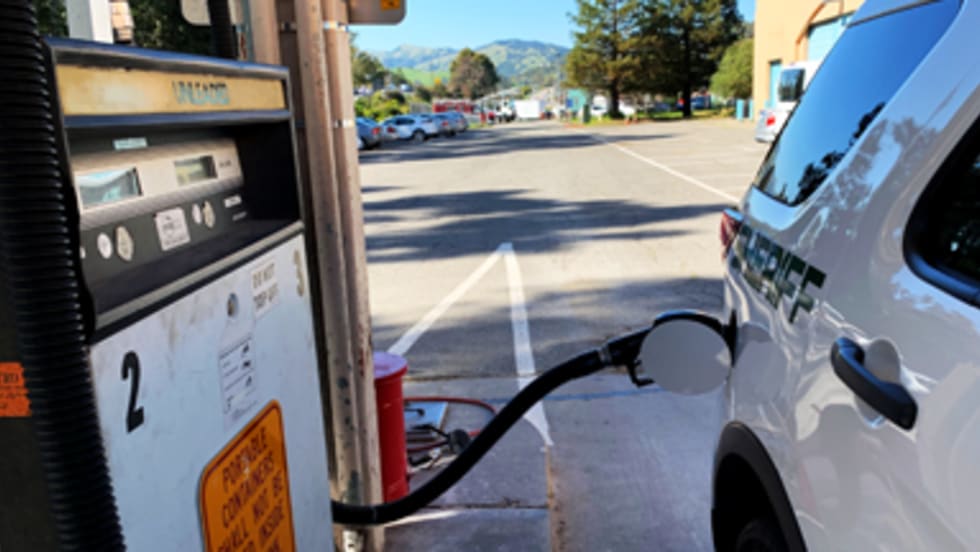
Marin County will install a new fuel system to better track usage and improve safety at its eight fueling sites.
Read More →
Troup County, Ga., is starting a six-month trial period to see if using fleet fuel cards to replace its outdated county fuel center will result in cost savings.
Read More →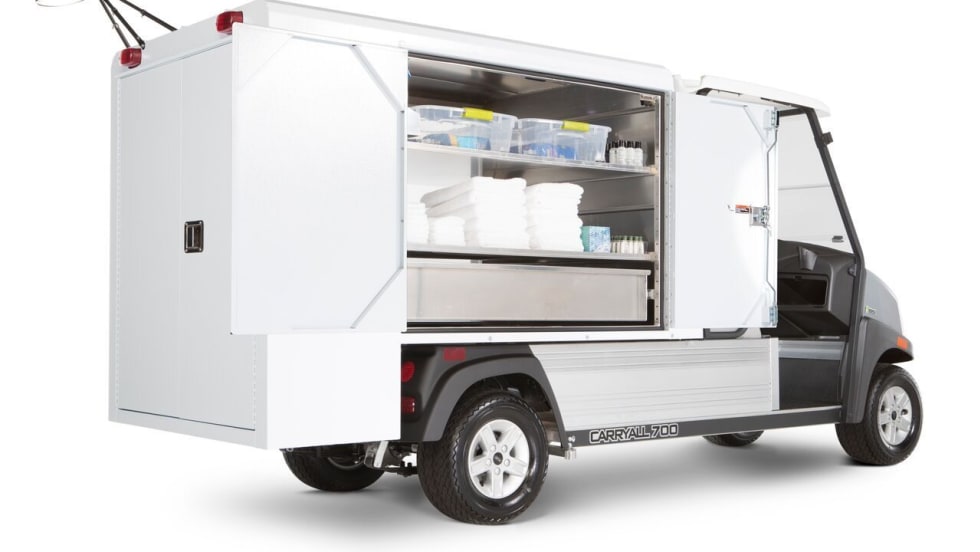
The steel diesel caddy is made from 14-gauge steel with heavy-duty 10-inch steel wheels, a fill-level gauge, and a wide footprint for stability.
Read More →The Oxford County (Maine) Sheriff's Office's fuel cards were deactivated after the county missed a bill payment.
Read More →