Red Government Fleet with star logo
MenuMENU
SearchSEARCH

7 Steps to Boost Vehicle Lift Safety

Following a detailed review of bus and truck maintenance facilities across North America, vehicle lift manufacturer Stertil-Koni has identified seven key steps to improving safety for technicians working on the shop floor.

by Staff
March 7, 2017
7 Steps to Boost Vehicle Lift Safety

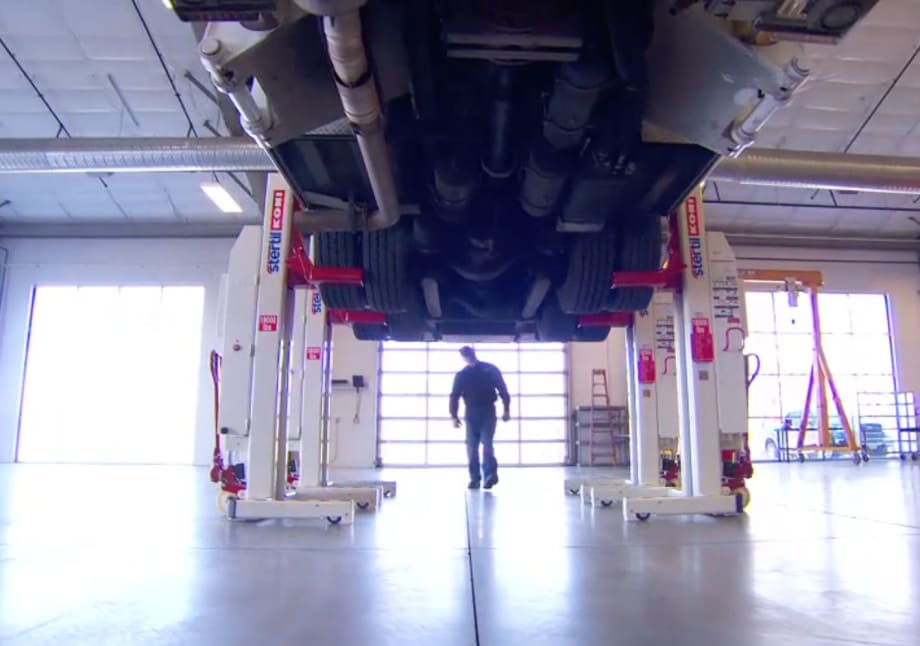
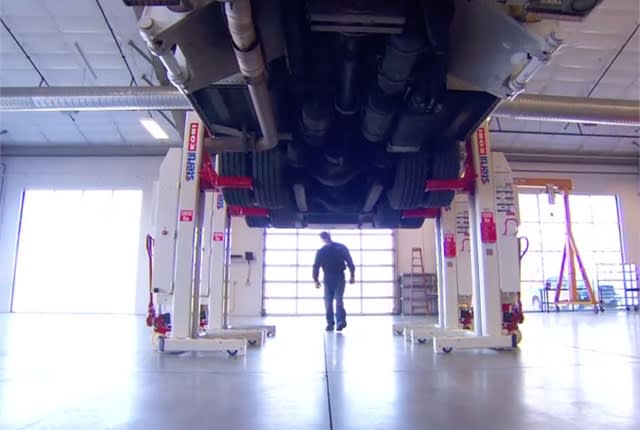
Photo courtesy of Stertil-Koni

3 min to read


Photo courtesy of Stertil-Koni

Following a detailed review of bus and truck maintenance facilities across North America, vehicle lift manufacturer Stertil-Koni has identified seven key steps to improving safety for busy technicians working on the shop floor.

The challenges facing fleet operators of all types are significant and continue to grow. These tips are designed to boost safety and improve shop productivity.

  1. Certification: Fleet managers should make sure that their lifts carry the “Gold Label” from the Automotive Lift Institute (ALI). The ALI Lift Certification Program has made it easy for lift buyers to choose lifts that have been third-party tested and proven to meet the safety and performance requirements outlined in the safety standard ANSI/ALI ALCTV (current edition). Lift testing includes verification of the structural integrity of all of a particular lift model’s systems and components, proper function of its controls and load-holding devices, proper lowering speeds, and overload protection.

  2. Lift Selection:Weight and Height Matters: Fleet managers should know in advance the weight of the heaviest vehicle they intend to lift and make absolutely certain that the lift selected is certified to meet or exceed that capacity. In terms of height, always measure the height clearance of the facility prior to selecting a lifting system to ensure ample room to raise a vehicle for servicing. Further, note the height of the tallest vehicle that will be lifted and make certain there is sufficient room to raise the vehicle to a proper height that will permit a technician to work comfortably underneath the vehicle.

  3. Vigilance During Set-Up: When preparing to operate the lift, do a full sweep of the area. Check the perimeter of the lift to confirm that nothing is obstructing its path and there are no hazards. Then, lift the vehicle no more than 12 inches off the ground, pause, and do another sweep of the area to further check that there are no impediments. Also, make sure that the vehicle being lifted is level.

  4. Keep It Stable: Ensure that mobile column lifts are placed on a firm foundation and level ground. When lifting outdoors, be aware of wind loads. Also, make certain that all personnel are clear of the vehicle and that the wheels on the vehicle being raised are properly engaged with the forks on the mobile column lifts. For in-ground lifts, operators should check that the contact points are properly positioned. Further, select a lift with an “electronic synchronization” system. In this way, as the lift goes into motion and continues through the full-range up to its maximum height, vehicles will lift smoothly, even those with unequal weight distribution, such as fire trucks, airport tugs, and pumpers.

  5. Technician Protection: At all times, lift vehicles to the proper height, allowing technicians to move about and work comfortably underneath the vehicle. Ensure the locking system is in place.

  6. Maintain a Strict Maintenance Schedule: Make certain that all lifts are subject to a regular program of scheduled maintenance — in accordance with the manufacturer’s recommended schedule — and receive annual lift inspections by a certified lift inspector.

  7. Create a Culture of Safety: Beyond choosing the right lifting system, promoting a positive culture of safety at the shop is essential. Service bulletins, safety messages, and continuously updating technicians’ skills are vital to a smooth-running maintenance facility. Accessories specifically designed to ensure technician safety and proper ergonomics are available. These include high-lift wheel dollies to allow for strain-free wheel removal and proper alignment of dual-tire assemblies and brake drums, locked control boxes to ensure only authorized personnel operate the lifts, and wireless mobile column lifts to remove the risk of tripping.


More Safety

SponsoredJanuary 19, 2026

3 New Ways Fleet Software Pays: ROI opportunities for modern fleet managers

Public fleets face constant pressure to do more with limited budgets. This eBook outlines how modern fleet software helps agencies extend asset life, reduce unplanned downtime, and improve safety by automating maintenance, using smarter video insights, and unifying fleet data. A practical look at how technology can drive measurable ROI for taxpayers.

Read More →
SponsoredJanuary 14, 2026

Behind the Wheel: Distracted Driving in the US Public Sector

Distracted driving is a persistent challenge for public sector fleets, impacting community safety, operational costs, and driver well-being. Samsara’s latest State of Connected Operations report found that 76% of public sector drivers have experienced a “close call” due to distraction—underscoring the urgent need for action.

Read More →
Safetyby Jeanny RoaDecember 22, 2025

Holiday Travel Surge: What Government Fleet Managers Need to Know About Increased Road Risks

As year-end travel reaches record levels, fleet managers must anticipate increased road congestion and safety challenges for government vehicles and drivers.

Read More →
Ad Loading...
SafetyDecember 11, 2025

How Government Fleets Can Reduce Distracted Driving: Key Takeaways

Crashes, near misses, and costly collisions still occur every day. How agencies can better protect their drivers, roadside workers, and communities.

Read More →
SponsoredDecember 5, 2025

The Road to Smarter Electric Van Transitions: A practical roadmap for integrating electric vans into your fleet

Electric vans are becoming a strategic tool, not just a sustainability move. Get a roadmap that breaks down costs, charging planning, upfit compatibility, and what fleets should evaluate before making the switch.

Read More →
Safetyby News/Media ReleaseOctober 29, 2025

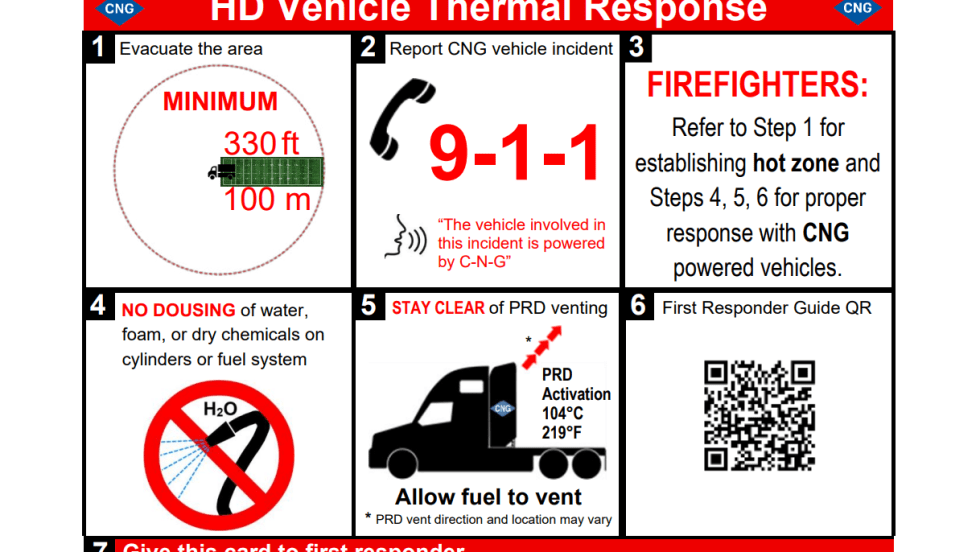
New CNG Vehicle Incident Response Resource Released

The downloadable safety guide contains detailed “Vehicle Crash and/or Leak Response” instructions in addition to “Vehicle Thermal Response” instructions.

Read More →
Ad Loading...
Close-up of a person reviewing charts and a document featuring the Samsara logo, representing research findings on disaster preparedness and operational resilience.
Safetyby News/Media ReleaseOctober 21, 2025

New Samsara Data Reveals Dangerous Gap in Disaster Readiness

A new Samsara report highlights widespread gaps in disaster preparedness among public and private organizations, with most leaders lacking confidence in their ability to respond to major crises.

Read More →
Close-up of a vehicle speedometer representing NYC DCAS efforts to implement Intelligent Speed Assistance technology across city fleet vehicles.
Safetyby News/Media ReleaseOctober 21, 2025

NYC to Make Intelligent Speed Assistance Standard Across More Than 7,000 Fleet Vehicles

New York City is expanding the use of Intelligent Speed Assistance technology across all non-emergency fleet vehicles, marking the world’s largest municipal ISA program, according to NYCDCAS.

Read More →
Safetyby Jeanny RoaOctober 15, 2025

Speed Smarter, See Better: Fleet Innovations from Somerset

Keith Kerman shares how Intelligent Speed Assist and Executive Order 39 aim to make municipalities safer for all.

Read More →
Ad Loading...
SafetyOctober 14, 2025

Inside Alexandria’s Tons of Trucks: A Model for Citizen Engagement in Fleet Operations

A look at how direct public engagement can help fleet departments build transparency, understanding, and trust with the communities they serve.

Read More →