Red Government Fleet with star logo
MenuMENU
SearchSEARCH

Commercial Drivers Banned from Texting While Driving

WASHINGTON - Effective Jan. 26, all drivers of commercial vehicles such as large trucks and buses are prohibited from texting while driving, with a civil or criminal penalty up to $2,750.

by Staff
January 28, 2010
2 min to read


WASHINGTON- Effective Jan. 26, all drivers of commercial vehicles such as large trucks and buses are prohibited from texting while driving or face fines up to $2,750, announced the Department of Transportation. The prohibition is the latest in a series of actions the DOT has taken to combat distracted driving.

"We want the drivers of big rigs and buses and those who share the roads with them to be safe," said DOT Secretary Ray LaHood. "This is an important safety step and we will be taking more to eliminate the threat of distracted driving."

"Our regulations will help prevent unsafe activity within the cab," said Anne Ferro, administrator for the Federal Motor Carrier Safety Administration (FMCSA). "We want to make it crystal clear to operators and their employers that texting while driving is the type of unsafe activity that these regulations are intended to prohibit."

FMCSA research shows that drivers who send and receive text messages take their eyes off the road for an average of 4.6 seconds out of every 6 seconds while texting.  At 55 miles per hour, this means that the driver is traveling the length of a football field, including the end zones, without looking at the road.  Drivers who text while driving are more than 20 times more likely to get in an accident than non-distracted drivers.  Because of the safety risks associated with the use of electronic devices while driving, FMCSA is also working on additional regulatory measures that will be announced in the coming months.

During the September 2009 Distracted Driving Summit, the Secretary announced the Department's plan to pursue this regulatory action, as well as rulemakings to reduce the risks posed by distracted driving. President Obama also signed an Executive Order directing federal employees not to engage in text messaging while driving government-owned vehicles or with government-owned equipment.  Federal employees were required to comply with the ban starting on December 30, 2009. 

The regulatory guidance on this announcement is now listed in the Federal Register.

More Safety

SponsoredJanuary 19, 2026

3 New Ways Fleet Software Pays: ROI opportunities for modern fleet managers

Public fleets face constant pressure to do more with limited budgets. This eBook outlines how modern fleet software helps agencies extend asset life, reduce unplanned downtime, and improve safety by automating maintenance, using smarter video insights, and unifying fleet data. A practical look at how technology can drive measurable ROI for taxpayers.

Read More →
SponsoredJanuary 14, 2026

Behind the Wheel: Distracted Driving in the US Public Sector

Distracted driving is a persistent challenge for public sector fleets, impacting community safety, operational costs, and driver well-being. Samsara’s latest State of Connected Operations report found that 76% of public sector drivers have experienced a “close call” due to distraction—underscoring the urgent need for action.

Read More →
Safetyby Jeanny RoaDecember 22, 2025

Holiday Travel Surge: What Government Fleet Managers Need to Know About Increased Road Risks

As year-end travel reaches record levels, fleet managers must anticipate increased road congestion and safety challenges for government vehicles and drivers.

Read More →
Ad Loading...
SafetyDecember 11, 2025

How Government Fleets Can Reduce Distracted Driving: Key Takeaways

Crashes, near misses, and costly collisions still occur every day. How agencies can better protect their drivers, roadside workers, and communities.

Read More →
SponsoredDecember 5, 2025

The Road to Smarter Electric Van Transitions: A practical roadmap for integrating electric vans into your fleet

Electric vans are becoming a strategic tool, not just a sustainability move. Get a roadmap that breaks down costs, charging planning, upfit compatibility, and what fleets should evaluate before making the switch.

Read More →
Safetyby News/Media ReleaseOctober 29, 2025

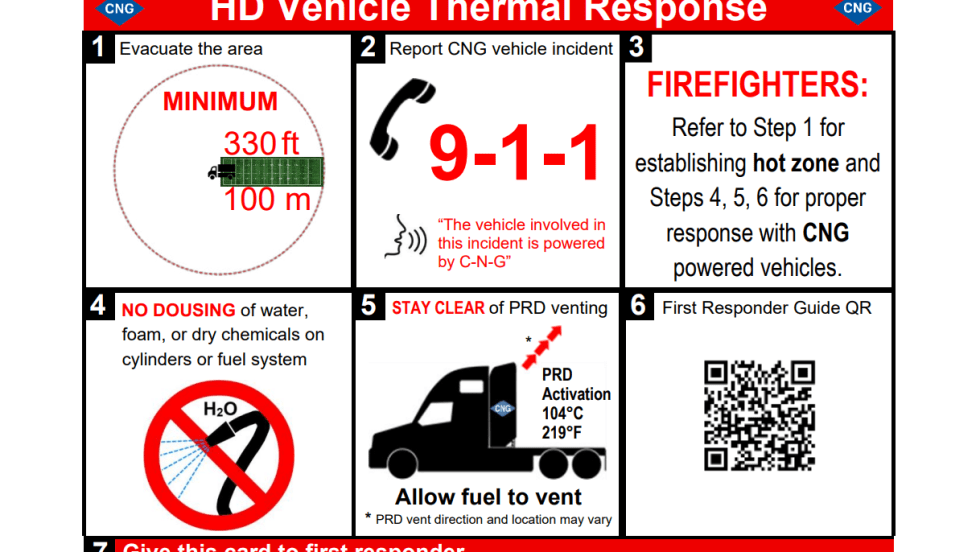
New CNG Vehicle Incident Response Resource Released

The downloadable safety guide contains detailed “Vehicle Crash and/or Leak Response” instructions in addition to “Vehicle Thermal Response” instructions.

Read More →
Ad Loading...
Close-up of a person reviewing charts and a document featuring the Samsara logo, representing research findings on disaster preparedness and operational resilience.
Safetyby News/Media ReleaseOctober 21, 2025

New Samsara Data Reveals Dangerous Gap in Disaster Readiness

A new Samsara report highlights widespread gaps in disaster preparedness among public and private organizations, with most leaders lacking confidence in their ability to respond to major crises.

Read More →
Close-up of a vehicle speedometer representing NYC DCAS efforts to implement Intelligent Speed Assistance technology across city fleet vehicles.
Safetyby News/Media ReleaseOctober 21, 2025

NYC to Make Intelligent Speed Assistance Standard Across More Than 7,000 Fleet Vehicles

New York City is expanding the use of Intelligent Speed Assistance technology across all non-emergency fleet vehicles, marking the world’s largest municipal ISA program, according to NYCDCAS.

Read More →
Safetyby Jeanny RoaOctober 15, 2025

Speed Smarter, See Better: Fleet Innovations from Somerset

Keith Kerman shares how Intelligent Speed Assist and Executive Order 39 aim to make municipalities safer for all.

Read More →
Ad Loading...
SafetyOctober 14, 2025

Inside Alexandria’s Tons of Trucks: A Model for Citizen Engagement in Fleet Operations

A look at how direct public engagement can help fleet departments build transparency, understanding, and trust with the communities they serve.

Read More →