The COVID-19 virus has continued to spread, and fleet organizations across the nation are reacting. Here’s how a few public fleet organizations are handling the crisis.
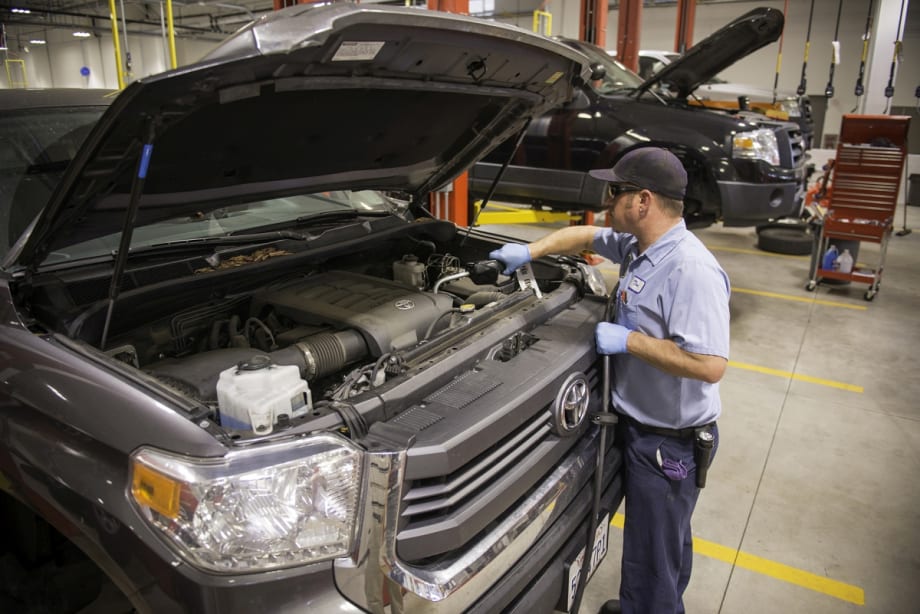
San Diego County fleet technicians have been instructed to use latex mechanic gloves when working on vehicles.
Photo by Vince Taroc
6 min to read
Photo via Pixabay
The COVID-19 virus has continued to spread, and fleet organizations nationwide are reacting. Here’s how a few public fleet organizations are handling the crisis.
‘Business as Usual’ Takes a Backseat at Ore. Utility
Oregon does not have many cases of coronavirus. Lane County, where the Eugene Water & Electric Board (EWEB) is located, has had two positive test results and one death from the infection as of March 18. Still, the City of Eugene has suspended public meeting and declared a state of emergency on March 17 to enhance response to the coronavirus.
EWEB limited non-essential business travel and worked to reduce the number of face-to-face meetings and minimize employee interactions, said Gary Lentsch, CAFM, fleet manager. For the past week, the fleet operation has been working to ensure technicians stay safe in the shop.
EWEB fleet management is encouraging technicians to use latex gloves while moving vehicles, installing hand santinizer dispensers on the shop floor, keeping a can of spray disinfectant at technician workstations, and making sure they don’t wear work clothing home.
In the past week, as the situation has gotten worse, the organization’s priorities have changed.
“‘Business as usual’ took a backseat to efforts to minimize the potential spread of the virus to our workforce,” Lentsch reported on March 17. “Many service requests, such as new vehicles and vehicle modifications, are now in a holding pattern. With all of this going on, our vehicle use has gone down significantly. So has our repair request, fuel usage, and parts availability.”
While the fleet operation hasn’t experienced significant changes, it has created a staffing plan in case things get worse.
“This included our work to being reduced to only critical work to maintain fleet availability and outsource if availably allows for timely turnaround. [Also] the work is to be reduced to only...work for vehicles and equipment that are extremely critically needed and outsource the remaining workload if shops have availability,” Lentsch explained. “We found our shortfall may be in our parts room as we’re a NAPA IBS location. If our contracted IBS staff is unable to come to work, our staff will have to take over parts room and parts procurement.”
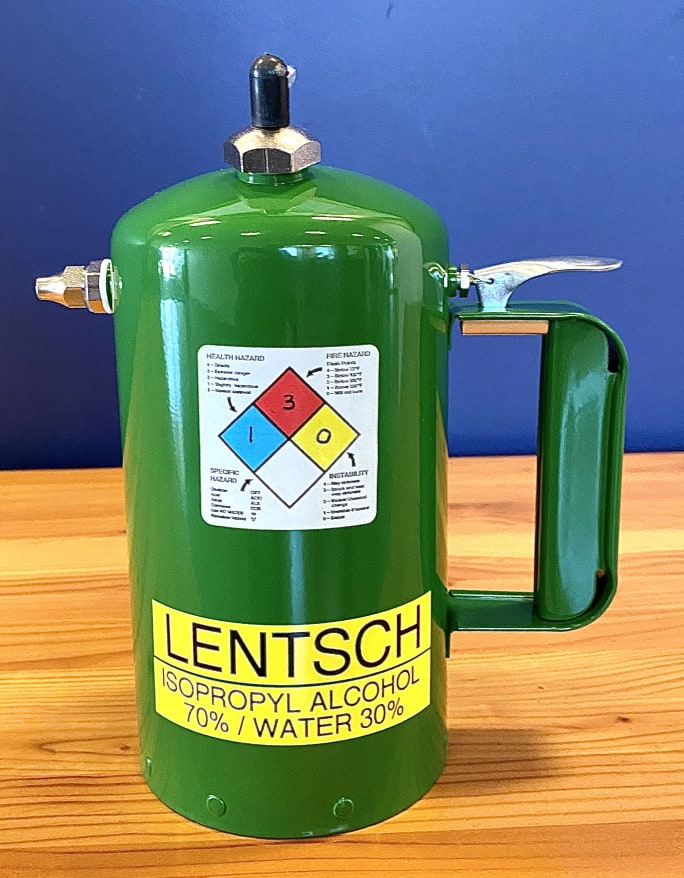
The Eugene Water & Electric Board (EWEB) fleet operation has purchased these sprayers to disinfect vehicles.
Photo courtesy of Gary Lentsch
Lentsch brought up the following questions and issues fleet managers should ask themselves about vehicle contamination:
Identify driver responsibilities about wiping down high-touch surfaces (e.g. steering wheels, interior/exterior door handles, gear shifters, turn signal stalks, etc.) with disinfectant wipes.
Identify supervisor/manager responsibilities: If an employee becomes ill, they need to consider quarantining the vehicles, not just drivers. If a vehicle can't be quarantined, they need to make sure it is completely disinfected before the vehicle is used.
Should it be fleet staff’s responsibility to clean and disinfect the vehicles of sick employees, should it be contracted out, or should someone be brought on-site to handle this?
How should vehicles be disinfected once someone becomes ill? EWEB purchased Sureshot-style sprayers and assigned them to fleet employees. These spray a fine mist for getting into the nooks and crannies of vehicles. Technicians spray the driver's area of vehicles with a 70% isopropyl alcohol and 30% water solution before getting into it. If a driver goes home sick, the entire interior of the vehicle is sprayed and held for up to 24 hours before reuse. For critical situations where the driver is seriously ill or there may be biohazards in the vehicle, fleet management would call a professional disinfectant company to do the cleaning.
Consider encouraging drivers to use their personal vehicles rather than motor pool vehicles to reduce contamination.
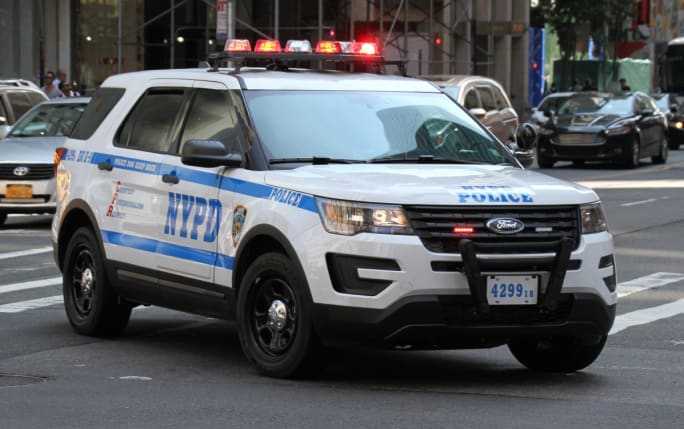
New York has had 2,382 positive cases as of March 18, and more than half of these (1,339) were in New York City. In New York City, entertainment venues are closed while restaurants and bars can only serve take-out food and delivery; events with 50 or more people are banned; and public schools are closed.
New York City employees who can perform their core duties from home have been advised to do so, said Nick Benson, director of media and public relations for the Department of Citywide Administrative Services.
For those who are still working, such as the Police and Fire Department employees, DCAS offered guidance on fleet vehicle use. The fact sheet, provided on March 17, states that fleet drivers can go about their daily lives, with certain precautions: drivers should wipe down their vehicles at least once daily with standard cleaning and disinfection products, paying special attention to surfaces that are touched often, such as door handles, armrests, and set belts. Drivers are told that car washing services are not necessary, and fleet operators do not need to limit travel within the city, avoid public gatherings or public transportation, nor wear a face mask if they are not sick.
San Diego County Focused on Mission-Critical Vehicles
In San Diego County, Calif., where 55 cases have been reported in the region as of March 16, the county has issued guidance that prohibits gatherings of more than 50 people; closes bars that serve alcohol and no food; limits restaurants to delivery, pick-up, and drive-through service; and closes all schools.
The county’s continuity of operations plan includes a pandemic section, and the fleet operation is following guidelines while remaining flexible as changes occur, said John Manring, chief of departmental operations for fleet, on March 18.
“Fleet [staff] is practicing social distancing and technicians have been instructed not to share tools if possible. If it is necessary to share larger tools, then staff has been directed to sanitize those tools before sharing (using disinfectant wipes),” he added.
Fleet management has identified mission-critical vehicles and directed technicians to make these vehicles a priority. Preventive maintenance will only occur after work on mission-critical vehicles are completed. Customers have been warned that fleet staff members may be assigned to other garages depending on the workload at each location, and garages may close if there are not enough available technicians.
As for cleaning vehicles, fleet employees are mandated to wipe down all contacted surfaces with disinfectant wipes before beginning work and after completing repairs. They spray keys with disinfectant. The department has biohazard contractors available if vehicles need additional cleaning. Technicians have been instructed to use latex mechanic gloves when working on vehicles. Manring added and everyone is practicing safe handwashing techniques and proper social distancing. Additionally, fleet management is encouraging the use of personal vehicles to reduce the use of shared cars.
“As the outbreak develops, fleet and management are constantly monitoring and updating how we respond,” Manring said.
The Colorado Department of Transportation has released a document with guidance on how to mitigate transmission of the COVID-19 virus. These include how drivers should clean vehicles, how to clean motor pool and light-duty vehicles, and approved disinfectants.
Public fleets face constant pressure to do more with limited budgets. This eBook outlines how modern fleet software helps agencies extend asset life, reduce unplanned downtime, and improve safety by automating maintenance, using smarter video insights, and unifying fleet data. A practical look at how technology can drive measurable ROI for taxpayers.
Distracted driving is a persistent challenge for public sector fleets, impacting community safety, operational costs, and driver well-being. Samsara’s latest State of Connected Operations report found that 76% of public sector drivers have experienced a “close call” due to distraction—underscoring the urgent need for action.
As year-end travel reaches record levels, fleet managers must anticipate increased road congestion and safety challenges for government vehicles and drivers.
Electric vans are becoming a strategic tool, not just a sustainability move. Get a roadmap that breaks down costs, charging planning, upfit compatibility, and what fleets should evaluate before making the switch.
A new Samsara report highlights widespread gaps in disaster preparedness among public and private organizations, with most leaders lacking confidence in their ability to respond to major crises.
New York City is expanding the use of Intelligent Speed Assistance technology across all non-emergency fleet vehicles, marking the world’s largest municipal ISA program, according to NYCDCAS.