Red Government Fleet with star logo
MenuMENU
SearchSEARCH

Dallas Police Pushing Old Vehicles to Mileage Limit

DALLAS - Older 1995 models with as few as 60,000 miles have been put back into service in order to meet the city's standard for vehicle replacement.

by Staff
December 7, 2009
2 min to read


DALLAS - The Dallas Police Department (DPD) has put newer police cruisers to the side in efforts to max-out the mileage on older vehicles so they can finally be replaced, according to the Dallas Morning News.

As part of an effort by department officials to fix the "badly mismanaged auto fleet", older 1995 Ford Taurus vehicles have been put back into service. An inventory from last year showed several dozen 1995 Ford Tauruses, many with only 60,000 to 80,000 miles on them, reported the Morning News.

Previous oversight of the department's fleet vehicles allowed officers to drive newer cars while older units collected dust. Because no one wanted to drive them, they didn't accumulate enough mileage to warrant replacement. Once enough mileage has been accrued on the older cars to allow them to finally meet the city's standard for replacement, then the city can buy new ones for the police department.

Assistant Chief Floyd Simpson, who took over the effort to bring the department's fleet into the 21st century, said vehicles that have been deemed as "trash" have been removed.

Simpson has spent the past year trying to fix the issue when it comes to patrol cars, which according to the city's policy are to be replaced at 100,000 miles. He said the changes have been successful, and they are now moving towards the unmarked fleet. For unmarked cars, DPD's ballpark mileage for replacement is about 120,000. But it depends on the condition of a car and how much money has been spent on it over its life.

Simpson said the department would ultimately like to move to a system of leasing unmarked cars, rather than buying them. After a year or two, they'd be turned back in. Simpson said it would be more economical for the city and it would also keep detectives and supervisors in new cars all the time.

But until then, he said, the department will have to drive its oldest cars first, reflecting best practices found in other cities and private companies such as UPS and FedEx, reported the Morning News.

More Safety

SponsoredJanuary 19, 2026

3 New Ways Fleet Software Pays: ROI opportunities for modern fleet managers

Public fleets face constant pressure to do more with limited budgets. This eBook outlines how modern fleet software helps agencies extend asset life, reduce unplanned downtime, and improve safety by automating maintenance, using smarter video insights, and unifying fleet data. A practical look at how technology can drive measurable ROI for taxpayers.

Read More →
SponsoredJanuary 14, 2026

Behind the Wheel: Distracted Driving in the US Public Sector

Distracted driving is a persistent challenge for public sector fleets, impacting community safety, operational costs, and driver well-being. Samsara’s latest State of Connected Operations report found that 76% of public sector drivers have experienced a “close call” due to distraction—underscoring the urgent need for action.

Read More →
Safetyby Jeanny RoaDecember 22, 2025

Holiday Travel Surge: What Government Fleet Managers Need to Know About Increased Road Risks

As year-end travel reaches record levels, fleet managers must anticipate increased road congestion and safety challenges for government vehicles and drivers.

Read More →
Ad Loading...
SafetyDecember 11, 2025

How Government Fleets Can Reduce Distracted Driving: Key Takeaways

Crashes, near misses, and costly collisions still occur every day. How agencies can better protect their drivers, roadside workers, and communities.

Read More →
SponsoredDecember 5, 2025

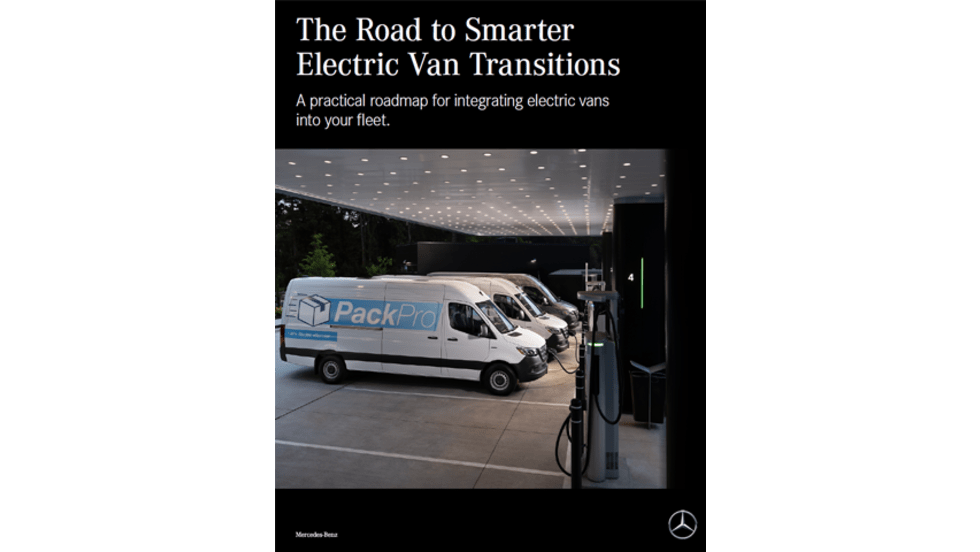
The Road to Smarter Electric Van Transitions: A practical roadmap for integrating electric vans into your fleet

Electric vans are becoming a strategic tool, not just a sustainability move. Get a roadmap that breaks down costs, charging planning, upfit compatibility, and what fleets should evaluate before making the switch.

Read More →
Safetyby News/Media ReleaseOctober 29, 2025

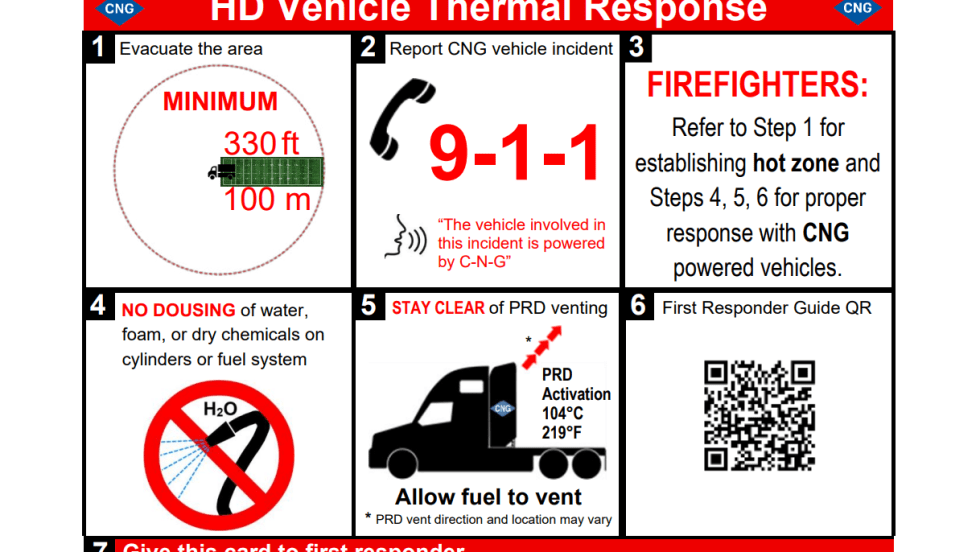
New CNG Vehicle Incident Response Resource Released

The downloadable safety guide contains detailed “Vehicle Crash and/or Leak Response” instructions in addition to “Vehicle Thermal Response” instructions.

Read More →
Ad Loading...
Close-up of a person reviewing charts and a document featuring the Samsara logo, representing research findings on disaster preparedness and operational resilience.
Safetyby News/Media ReleaseOctober 21, 2025

New Samsara Data Reveals Dangerous Gap in Disaster Readiness

A new Samsara report highlights widespread gaps in disaster preparedness among public and private organizations, with most leaders lacking confidence in their ability to respond to major crises.

Read More →
Close-up of a vehicle speedometer representing NYC DCAS efforts to implement Intelligent Speed Assistance technology across city fleet vehicles.
Safetyby News/Media ReleaseOctober 21, 2025

NYC to Make Intelligent Speed Assistance Standard Across More Than 7,000 Fleet Vehicles

New York City is expanding the use of Intelligent Speed Assistance technology across all non-emergency fleet vehicles, marking the world’s largest municipal ISA program, according to NYCDCAS.

Read More →
Safetyby Jeanny RoaOctober 15, 2025

Speed Smarter, See Better: Fleet Innovations from Somerset

Keith Kerman shares how Intelligent Speed Assist and Executive Order 39 aim to make municipalities safer for all.

Read More →
Ad Loading...
SafetyOctober 14, 2025

Inside Alexandria’s Tons of Trucks: A Model for Citizen Engagement in Fleet Operations

A look at how direct public engagement can help fleet departments build transparency, understanding, and trust with the communities they serve.

Read More →