Red Government Fleet with star logo
MenuMENU
SearchSEARCH

Electric Co-ops Reduce Driver Injuries by 69%

Co-ops at the Minnesota Rural Electric Association (MREA) have reduced the number of worker injuries by 69% after implementing a new safety program.  

Thi Dao
Thi DaoFormer Executive Editor
Read Thi's Posts
February 15, 2019
Electric Co-ops Reduce Driver Injuries by 69%

Electric utility employees receive training on correct movements to reduce injuries.

2 min to read


The Minnesota Rural Electric Association (MREA) has reduced the number of worker injuries by 69% after implementing a new safety program.  

According to Lidia Jacobson, director of safety and loss control for MREA, linemen who operate bucket trucks, climb poles, and work on their knees putting in poles, needed an exercise or stretching program. Instead, she found a program that teaches proper body mechanics.

“Linemen wear out their bodies. It’s very hard work in inclement weather. It’s -26 degrees today, and it feels like -55 degrees with wind,” Jacobson said. “Most expect to have some sort of surgery with this job.”

Common injuries include strains and strains on the back, and on the shoulders and knees, she added.

Worklete, a technology platform that reduces musculoskeletal injuries, sent out staff members to Minnesota and learned the movements linemen make: getting in and out of trucks, working on poles, and in buckets. They filmed the crew and created a specific program for workers.

Every two weeks, workers receive a new video, about five minutes long and often featuring their coworkers, which they can access on their tablet or phone. Then, they’re encouraged to practice the movements from the video with their coworkers to reinforce what they learned.

“One of the linemen recently retired and said if he had this program, he wouldn’t have needed his shoulder surgery," Jacosbson said.

Not only is it open to linemen — mechanics and meter readers are also participating. For example, mechanics are watching the same videos and learning how to enter and exit vehicles correctly.

The MREA found that after analyzing workers' comp loss runs for two co-ops that had been using Worklete since 2017, the injury reduction rate was 69%. The association works with 50 co-ops in Minnesota. Jacobson said right now, 10 organizations within the association are participating, and she hopes this number will expand.

This article was updated 3/15/19. A new audit of insurance logs showed that the two co-ops reduced injuries by 69%, not 75%.
More Safety

SponsoredJanuary 19, 2026

3 New Ways Fleet Software Pays: ROI opportunities for modern fleet managers

Public fleets face constant pressure to do more with limited budgets. This eBook outlines how modern fleet software helps agencies extend asset life, reduce unplanned downtime, and improve safety by automating maintenance, using smarter video insights, and unifying fleet data. A practical look at how technology can drive measurable ROI for taxpayers.

Read More →
SponsoredJanuary 14, 2026

Behind the Wheel: Distracted Driving in the US Public Sector

Distracted driving is a persistent challenge for public sector fleets, impacting community safety, operational costs, and driver well-being. Samsara’s latest State of Connected Operations report found that 76% of public sector drivers have experienced a “close call” due to distraction—underscoring the urgent need for action.

Read More →
Safetyby Jeanny RoaDecember 22, 2025

Holiday Travel Surge: What Government Fleet Managers Need to Know About Increased Road Risks

As year-end travel reaches record levels, fleet managers must anticipate increased road congestion and safety challenges for government vehicles and drivers.

Read More →
Ad Loading...
SafetyDecember 11, 2025

How Government Fleets Can Reduce Distracted Driving: Key Takeaways

Crashes, near misses, and costly collisions still occur every day. How agencies can better protect their drivers, roadside workers, and communities.

Read More →
SponsoredDecember 5, 2025

The Road to Smarter Electric Van Transitions: A practical roadmap for integrating electric vans into your fleet

Electric vans are becoming a strategic tool, not just a sustainability move. Get a roadmap that breaks down costs, charging planning, upfit compatibility, and what fleets should evaluate before making the switch.

Read More →
Safetyby News/Media ReleaseOctober 29, 2025

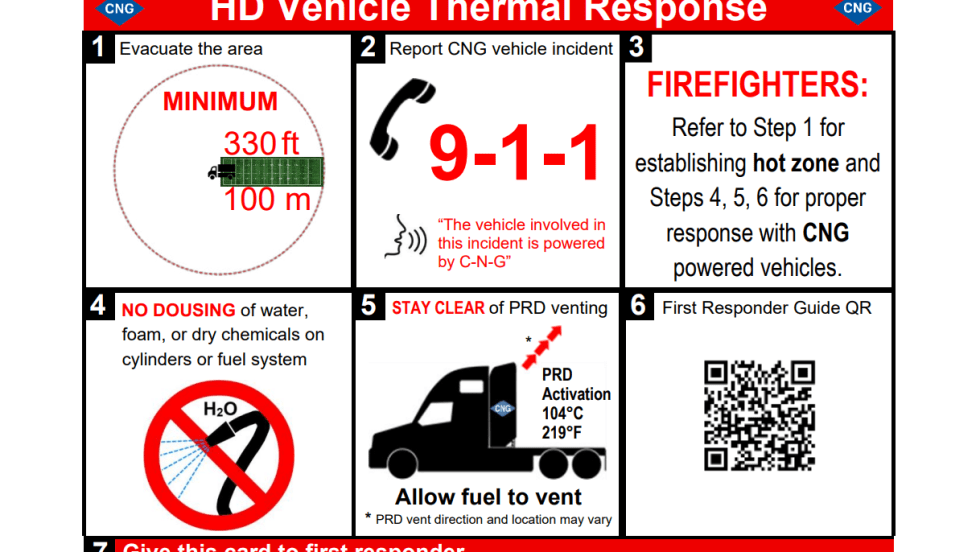
New CNG Vehicle Incident Response Resource Released

The downloadable safety guide contains detailed “Vehicle Crash and/or Leak Response” instructions in addition to “Vehicle Thermal Response” instructions.

Read More →
Ad Loading...
Close-up of a person reviewing charts and a document featuring the Samsara logo, representing research findings on disaster preparedness and operational resilience.
Safetyby News/Media ReleaseOctober 21, 2025

New Samsara Data Reveals Dangerous Gap in Disaster Readiness

A new Samsara report highlights widespread gaps in disaster preparedness among public and private organizations, with most leaders lacking confidence in their ability to respond to major crises.

Read More →
Close-up of a vehicle speedometer representing NYC DCAS efforts to implement Intelligent Speed Assistance technology across city fleet vehicles.
Safetyby News/Media ReleaseOctober 21, 2025

NYC to Make Intelligent Speed Assistance Standard Across More Than 7,000 Fleet Vehicles

New York City is expanding the use of Intelligent Speed Assistance technology across all non-emergency fleet vehicles, marking the world’s largest municipal ISA program, according to NYCDCAS.

Read More →
Safetyby Jeanny RoaOctober 15, 2025

Speed Smarter, See Better: Fleet Innovations from Somerset

Keith Kerman shares how Intelligent Speed Assist and Executive Order 39 aim to make municipalities safer for all.

Read More →
Ad Loading...
SafetyOctober 14, 2025

Inside Alexandria’s Tons of Trucks: A Model for Citizen Engagement in Fleet Operations

A look at how direct public engagement can help fleet departments build transparency, understanding, and trust with the communities they serve.

Read More →