Red Government Fleet with star logo
MenuMENU
SearchSEARCH

More Ram Pickups Added to Takata Recalls

The latest actions bring Fiat Chrysler's global Takata-related recall total to an estimated 5.2 million vehicles.

by Staff
June 1, 2015
More Ram Pickups Added to Takata Recalls

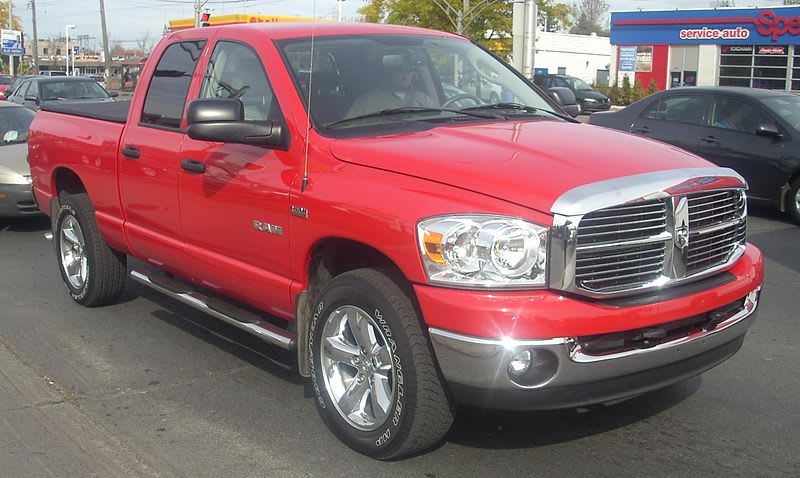
Photo of Dodge Ram 1500 pickup truck by Bull-Doser via Wikimedia Commons.

2 min to read


Photo of Dodge Ram 1500 pickup truck by Bull-Doser via Wikimedia Commons.

FCA US announced plans to call back additional Dodge Ram pickup trucks, along with other car and truck models, as part of the Takata air bag inflator recall expansion.

The automaker on May 28 confirmed in a released statement that it is "consolidating two campaigns with new actions affecting model years 2003-2011." As a result, FCA vehicles affected by the Takata Corp. recalls now include an estimated 5.2 million around the globe.

One recall campaign, which involves 4.7 million vehicles worldwide, will replace driver’s-side air bag inflators. This campaign includes:

  • 2004-2008 Dodge Ram 1500 pickups

  • 2005-2009 Dodge Ram 2500 pickups

  • 2006-2009 Dodge Ram 3500 pickups

  • 2008-2010 Dodge Ram 4500 and 5500 cab chassis vehicles

  • 2008-2009 Sterling 4500 and 5500 cab chassis vehicles

  • 2004-2008 Dodge Durango full-size SUVs

  • 2005-2010 Chrysler 300, 300C and SRT8 full-size sedans

  • 2005-2010 Dodge Charger full-size sedans

  • 2005-2010 Dodge Magnum full-size station wagons

  • 2005-2011 Dodge Dakota small pickups

  • 2006-2011 Mitsubishi Raider small pickups

More than 4 million of these vehicles are in the U.S., FCA US said.

"This action supersedes an ongoing NHTSA-approved recall involving the same vehicles and expands the affected global population by an estimated 1,407,942 with the addition of model years 2008-2011," FCA US said. "Inflators replaced in connection with the previous campaign will again require service."

The second recall campaign involves replacing front-passenger air bag inflators in model-year 2003 Dodge Ram 1500, 2500 and 3500 pickups with an estimated 437,947 in the U.S. This recall supplements two ongoing campaigns involving some of the same vehicles in certain U.S. regions with high absolute humidity.   

The automaker said it’s aware of one related injury involving a 2006 Dodge Charger. The accident occurred in southern Florida. 

FCA US stressed that the company no longer equips its vehicles with either of these suspect inflators manufactured by Takata Corp. Additionally, the FCA-recalled inflators are distinct from those cited in fatalities involving other automakers. 

Vehicle owners can reach FCA US at (800) 853-1403.

More Safety

SponsoredJanuary 19, 2026

3 New Ways Fleet Software Pays: ROI opportunities for modern fleet managers

Public fleets face constant pressure to do more with limited budgets. This eBook outlines how modern fleet software helps agencies extend asset life, reduce unplanned downtime, and improve safety by automating maintenance, using smarter video insights, and unifying fleet data. A practical look at how technology can drive measurable ROI for taxpayers.

Read More →
SponsoredJanuary 14, 2026

Behind the Wheel: Distracted Driving in the US Public Sector

Distracted driving is a persistent challenge for public sector fleets, impacting community safety, operational costs, and driver well-being. Samsara’s latest State of Connected Operations report found that 76% of public sector drivers have experienced a “close call” due to distraction—underscoring the urgent need for action.

Read More →
Safetyby Jeanny RoaDecember 22, 2025

Holiday Travel Surge: What Government Fleet Managers Need to Know About Increased Road Risks

As year-end travel reaches record levels, fleet managers must anticipate increased road congestion and safety challenges for government vehicles and drivers.

Read More →
Ad Loading...
SafetyDecember 11, 2025

How Government Fleets Can Reduce Distracted Driving: Key Takeaways

Crashes, near misses, and costly collisions still occur every day. How agencies can better protect their drivers, roadside workers, and communities.

Read More →
SponsoredDecember 5, 2025

The Road to Smarter Electric Van Transitions: A practical roadmap for integrating electric vans into your fleet

Electric vans are becoming a strategic tool, not just a sustainability move. Get a roadmap that breaks down costs, charging planning, upfit compatibility, and what fleets should evaluate before making the switch.

Read More →
Safetyby News/Media ReleaseOctober 29, 2025

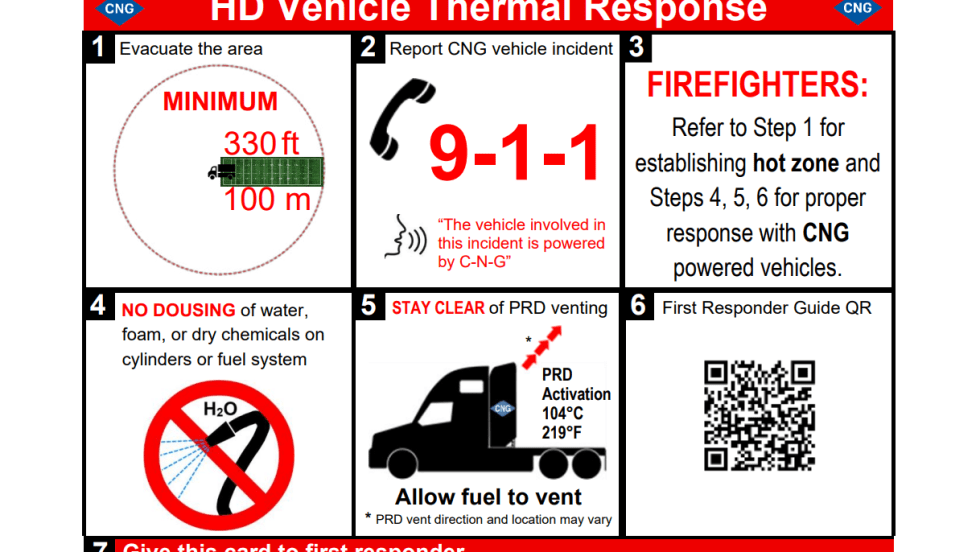
New CNG Vehicle Incident Response Resource Released

The downloadable safety guide contains detailed “Vehicle Crash and/or Leak Response” instructions in addition to “Vehicle Thermal Response” instructions.

Read More →
Ad Loading...
Close-up of a person reviewing charts and a document featuring the Samsara logo, representing research findings on disaster preparedness and operational resilience.
Safetyby News/Media ReleaseOctober 21, 2025

New Samsara Data Reveals Dangerous Gap in Disaster Readiness

A new Samsara report highlights widespread gaps in disaster preparedness among public and private organizations, with most leaders lacking confidence in their ability to respond to major crises.

Read More →
Close-up of a vehicle speedometer representing NYC DCAS efforts to implement Intelligent Speed Assistance technology across city fleet vehicles.
Safetyby News/Media ReleaseOctober 21, 2025

NYC to Make Intelligent Speed Assistance Standard Across More Than 7,000 Fleet Vehicles

New York City is expanding the use of Intelligent Speed Assistance technology across all non-emergency fleet vehicles, marking the world’s largest municipal ISA program, according to NYCDCAS.

Read More →
Safetyby Jeanny RoaOctober 15, 2025

Speed Smarter, See Better: Fleet Innovations from Somerset

Keith Kerman shares how Intelligent Speed Assist and Executive Order 39 aim to make municipalities safer for all.

Read More →
Ad Loading...
SafetyOctober 14, 2025

Inside Alexandria’s Tons of Trucks: A Model for Citizen Engagement in Fleet Operations

A look at how direct public engagement can help fleet departments build transparency, understanding, and trust with the communities they serve.

Read More →