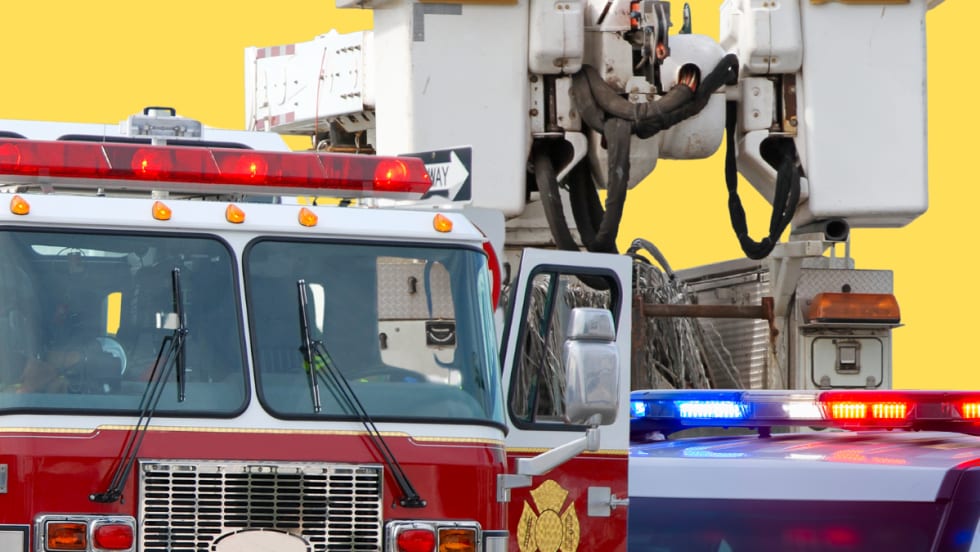
New York City announced it has completed the largest consolidation of its fleet operations by reducing the number of dedicated fleet repair facilities from 47 to 37 locations and implementing shared resources across agencies. Officials expect the consolidation will save more than $239 million in fleet costs, including $176 million in avoided capital costs. It is estimated the consolidation will also save and avoid $45 million per year in recurring operating expenses and achieve a combined total savings of $415 million by 2016. The City’s fleet operates more than 25,000 vehicles.
“Our Administration has taken major steps to make City government more efficient, including streaming a crucial area of operations: our municipal vehicle fleet, the nation’s largest and best,” said Mayor Michael Bloomberg.
In 2011, as part of an effort to increase overall efficiency, the City began developing plans to consolidate facilities and share services across agencies that account for a majority of the vehicle fleet – without hindering the ability to deliver needed services. The City’s fleet operations cost more than $600 million annually, and 10 agencies – the NYPD, FDNY and the Departments of Correction, Sanitation, Transportation, Environmental Protection, Parks and Recreation, Education, Health and Human Services, and Citywide Administrative Services – operate more than 90% of the citywide fleet. To manage the combined fleet, these agencies formed a new interagency management group, participated in hundreds of interagency meetings to plan, and coordinated and executed the consolidation plan. The City also appointed its first Citywide chief fleet officer, Keith Kerman, to coordinate these efforts.
City agencies have implemented numerous initiatives to increase the efficiency of fleet operations, share resources across agencies, introduce competition and new technology, and make a more sustainable and green fleet. The City has also worked in partnerships with skilled trades unions on these initiatives to save costs on facilities, fuel, and support functions such as parts and auction, while investing in specialized equipment and increased equipment training.
For example, the new NYPD Citywide Service Shop #9 was previously operated by the Department of Transportation (DOT), but had excess capacity that could be used by other agencies. As a result, DOT transferred the garage to the NYPD’s fleet division, which provided the NYPD with the extra garage space necessary to service its response vehicles – without having to find or build another garage.
“The City’s major fleet operating agencies and their fleet managers have come together to transform fleet operations for one of the largest and most well-known fleets in the nation,” said Chief Fleet Officer Kerman. “As important as the facility savings, new performance metrics, and contract initiatives, is the spirit and reality of daily interagency cooperation and shared service at every level.”
Joseph Colangelo, president of the Service Employees International Union Local 246, said while the consolidation initially caused some challenges for union members, union employees continue to work with the administration to complete the transition.
According to the City, other initiatives to make fleet operations more efficient and lower long-term costs without impacting services include:
Reducing the City’s non-emergency light-duty fleet of cars and SUVs by more than 1,200 since 2001, a reduction that will save an estimated $85 million over 10 years.
Operating the nation’s largest green fleet of hybrid and electric vehicles with more than 6,000 cars, including the addition of 60 new plug-in electric vehicles this year.
Auctioning decommissioned City vehicles online for the first time, which has helped raise the average sale price of vehicles auctioned by 27% and freed up six acres of space at the Brooklyn Navy Yard. The Nay Yard is now being rented and generates more than $700,000 in annual revenue.
Increasing the usage of biodiesel for the City’s fleet. All Department of Sanitation, Parks and Environmental Protection trucks now operate on biodiesel.
Similarly, decreasing fleet fuel use by more than two million gallons in the last two years, and updated the City’s fleet management system to enable agencies to better manage, share, and track fueling resources.
Introducing car sharing with ZipCar to reduce the need for City-owned vehicles, and piloted ZipCar’s car-sharing technology on City-owned vehicles to optimize their use and enable workers to go online, locate an unused vehicle, and reserve it for operations.
Streamlining parts procurement by implementing a single vendor to supply auto parts and assume all inventory costs. With this new arrangement, the City only pays for the parts it actually uses on vehicles and not on-hand inventory.