



Red Government Fleet with star logo
MenuMENU
SearchSEARCH

NTSB Calls for Technology to Reduce Speeding in All New Cars

The board highlighted the need for intelligent speed assistance technology and countermeasures after a deadly crash in North Las Vegas.

NTSB Calls for Technology to Reduce Speeding in All New Cars

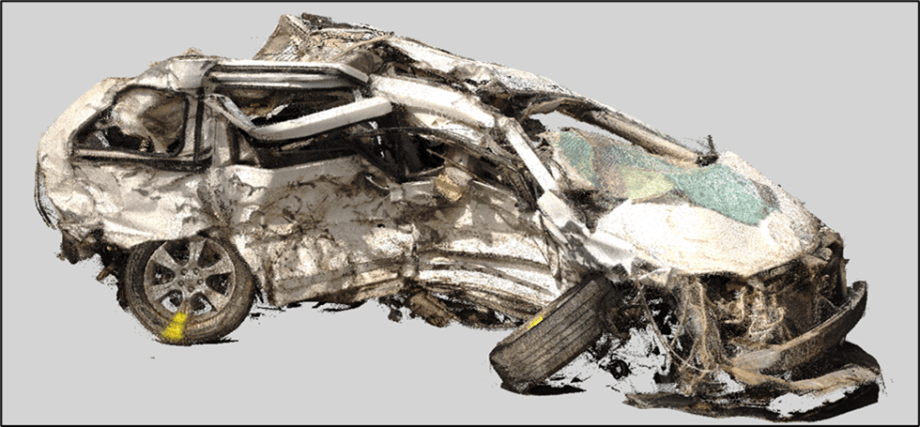
3D laser scan showing damage to the minivan. The view is from the passenger side.

Photo: NTSB

3 min to read


The National Transportation Safety Board (NTSB) investigation into a multivehicle collision in North Las Vegas, Nevada, last year that resulted in nine fatalities has led the board to recommend a requirement for intelligent speed assistance technology in all new cars. The board issued the recommendations Tuesday at a public board meeting after determining the crash was caused by excessive speed, drug-impaired driving and Nevada’s failure to deter the driver’s speeding recidivism due to systemic deficiencies, despite numerous speeding citations.

Intelligent speed assistance technology, or ISA, uses a car’s GPS location compared with a database of posted speed limits and its onboard cameras to help ensure safe and legal speeds. Passive ISA systems warn a driver when the vehicle exceeds the speed limit through visual, sound, or haptic alerts, and the driver is responsible for slowing the car.

Active systems include mechanisms that make it more difficult, but not impossible, to increase the speed of a vehicle above the posted speed limit and those that electronically limit the speed of the vehicle to fully prevent drivers from exceeding the speed limit. 

“This crash is the latest in a long line of tragedies we’ve investigated where speeding and impairment led to catastrophe, but it doesn’t have to be this way,” said NTSB Chair Jennifer Homendy. “We know the key to saving lives is redundancy, which can protect all of us from human error that occurs on our roads. What we lack is the collective will to act on NTSB safety recommendations.” 

Implementing Regulations Around Speed Limits

Eliminating speeding through the implementation of a comprehensive strategy is a priority for the NTSB. In 2021, speeding-related crashes resulted in 12,330 fatalities—about one-third of all traffic fatalities in the United States. In addition to ISA, the NTSB has previously called on regulators to revise regulations around speed limit guidance and increase the use of speed safety cameras. NTSB has also highlighted​ the need to improve data, laws, and enforcement to address drug-impaired driving.

On Jan. 29, 2022, a 2018 Dodge Challenger entered an intersection near North Las Vegas, Nevada, against a red traffic signal with a vehicle recorded speed of 103 mph, causing a multivehicle collision with five other vehicles. Seven occupants of a minivan and the Challenger’s driver and passenger died as a result of the crash. The driver of the Challenger was determined to have been impaired by cocaine and PCP and had a history of multiple speeding offenses. 

As a result of the investigation, the NTSB is issuing eight new and one reiterated recommendation to the National Highway Traffic Safety Administration, one new recommendation to states and one new recommendation to manufacturers: 

To NHTSA: 

  • Require ISA systems that, at a minimum, warn a driver a vehicle is speeding.

  • Educate the public about the benefits of ISA.

  • Update the guidelines for state highway safety programs to include identification and tracking of repeat speeding offenders.

  • Develop countermeasures to reduce repeat speeding offenses.

  • Conduct research and develop guidelines to assist states in implementing ISA interlock programs for repeat speeding offenders. 

  • Incentivize the adoption of ISA through, for example, the New Car Assessment Program. This recommendation is reiterated from a 2017 recommendation.

To 50 states, the Commonwealth of Puerto Rico and the District of Columbia:

  • ​Implement programs to identify repeat speeding offenders and measurably reduce speeding recidivism. 

​To 17 car manufacturers:

  • ​​Install ISA in all new passenger vehicles that, at a minimum, warns drivers when a vehicle is speeding. 

To the Insurance Institute of Highway Safety:

  • ​Evaluate the safety outcomes of marketing by auto manufacturers that emphasizes risky behavior, including speeding. The evaluation should compare vehicles based on engine size, power and performance and international approaches to marketing. Make the report publicly available.
More Safety

SponsoredJanuary 19, 2026

3 New Ways Fleet Software Pays: ROI opportunities for modern fleet managers

Public fleets face constant pressure to do more with limited budgets. This eBook outlines how modern fleet software helps agencies extend asset life, reduce unplanned downtime, and improve safety by automating maintenance, using smarter video insights, and unifying fleet data. A practical look at how technology can drive measurable ROI for taxpayers.

Read More →
SponsoredJanuary 14, 2026

Behind the Wheel: Distracted Driving in the US Public Sector

Distracted driving is a persistent challenge for public sector fleets, impacting community safety, operational costs, and driver well-being. Samsara’s latest State of Connected Operations report found that 76% of public sector drivers have experienced a “close call” due to distraction—underscoring the urgent need for action.

Read More →
Safetyby Jeanny RoaDecember 22, 2025

Holiday Travel Surge: What Government Fleet Managers Need to Know About Increased Road Risks

As year-end travel reaches record levels, fleet managers must anticipate increased road congestion and safety challenges for government vehicles and drivers.

Read More →
Ad Loading...
SafetyDecember 11, 2025

How Government Fleets Can Reduce Distracted Driving: Key Takeaways

Crashes, near misses, and costly collisions still occur every day. How agencies can better protect their drivers, roadside workers, and communities.

Read More →
SponsoredDecember 5, 2025

The Road to Smarter Electric Van Transitions: A practical roadmap for integrating electric vans into your fleet

Electric vans are becoming a strategic tool, not just a sustainability move. Get a roadmap that breaks down costs, charging planning, upfit compatibility, and what fleets should evaluate before making the switch.

Read More →
Safetyby News/Media ReleaseOctober 29, 2025

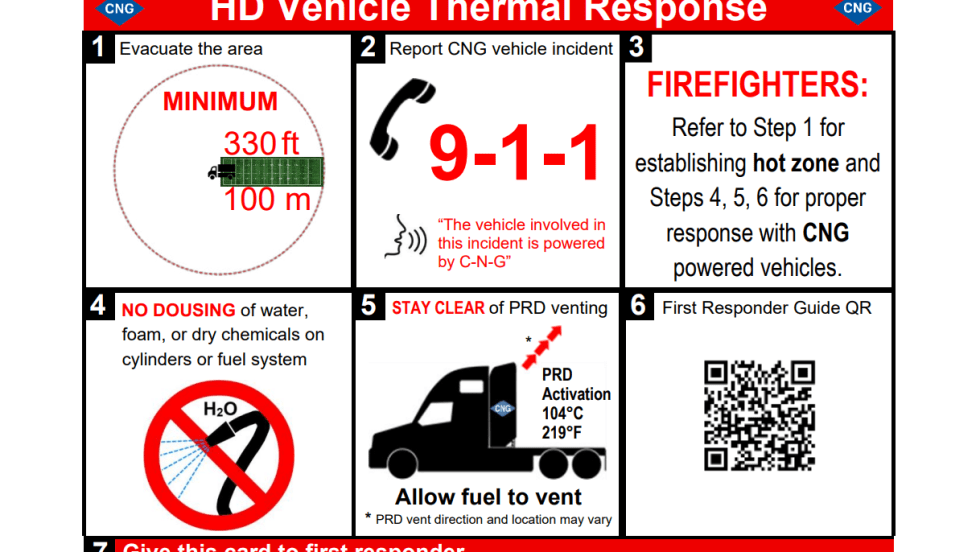
New CNG Vehicle Incident Response Resource Released

The downloadable safety guide contains detailed “Vehicle Crash and/or Leak Response” instructions in addition to “Vehicle Thermal Response” instructions.

Read More →
Ad Loading...
Close-up of a person reviewing charts and a document featuring the Samsara logo, representing research findings on disaster preparedness and operational resilience.
Safetyby News/Media ReleaseOctober 21, 2025

New Samsara Data Reveals Dangerous Gap in Disaster Readiness

A new Samsara report highlights widespread gaps in disaster preparedness among public and private organizations, with most leaders lacking confidence in their ability to respond to major crises.

Read More →
Close-up of a vehicle speedometer representing NYC DCAS efforts to implement Intelligent Speed Assistance technology across city fleet vehicles.
Safetyby News/Media ReleaseOctober 21, 2025

NYC to Make Intelligent Speed Assistance Standard Across More Than 7,000 Fleet Vehicles

New York City is expanding the use of Intelligent Speed Assistance technology across all non-emergency fleet vehicles, marking the world’s largest municipal ISA program, according to NYCDCAS.

Read More →
Safetyby Jeanny RoaOctober 15, 2025

Speed Smarter, See Better: Fleet Innovations from Somerset

Keith Kerman shares how Intelligent Speed Assist and Executive Order 39 aim to make municipalities safer for all.

Read More →
Ad Loading...
SafetyOctober 14, 2025

Inside Alexandria’s Tons of Trucks: A Model for Citizen Engagement in Fleet Operations

A look at how direct public engagement can help fleet departments build transparency, understanding, and trust with the communities they serve.

Read More →