Red Government Fleet with star logo
MenuMENU
SearchSEARCH

NYSDOT Reminds Motorists to Drive Carefully in Winter Weather Events

ALBANY, NY - The New York State Department of Transportation (NYSDOT) issued a release reminding travelers to drive safely in winter weather conditions and to use caution near department snowfighting equipment.

by Staff
December 2, 2010
3 min to read


ALBANY, NY - The New York State Department of Transportation (NYSDOT) issued a release reminding travelers to drive safely in winter weather conditions and to use caution near department snowfighting equipment.

NYSDOT strives to have roads cleared of snow and ice within two hours after a storm ends. Approximately 3,650 trained snowplow operators and supervisors are responsible for keeping nearly 38,635 lane miles of state roadway clear day and night. A fleet of more than 1,400 snowplows, 335 bucket loaders, which are used for loading salt into snowplows, and 50 snow blowers, are used by the Department for routine winter operations. Approximately 900,000 tons of salt along with a variety of other anti-icing chemicals are used each season, depending on weather severity, throughout the winter. The Department's budget for keeping the roads clear this winter is $300 million.

Snowplows travel at about 35 miles per hour - which in many cases is lower than the posted speed limit - in order to ensure that salt being dispersed stays in the driving lanes and does not scatter off the roadways. Oftentimes on interstate highways, snowplows will operate side by side to clear several lanes at one time.

Motorists and pedestrians should never assume a snowplow driver can see them. Snowplow drivers have limited sight distances, with the wing blades of the vehicle obscuring their side views. The size and weight of snowplows make it very difficult to maneuver and stop quickly. Snow blowing from behind the plow can severely reduce visibility or cause "whiteout" conditions. Motorists should not attempt to pass snowplows or follow too closely. The safest place for motorists is well behind the snowplows where the roadway is clear and salted.

On occasion winter storms can cause power outages at intersections, causing lighting signals to fail to work. Pursuant to Vehicle and Traffic Law, motorists are advised that at intersections where the traffic control signal is not working at all they should proceed as they would at a stop sign, unless otherwise directed by a police officer on site.

The Department's website features an interactive safe driving Web experience that includes tips for safe driving in winter weather conditions.

Some of the most important tips for safe winter driving include:

  • Never follow a snowplow too closely or attempt to pass one. Remember that the highway ahead of the plow is usually snow-covered;

  • During a winter storm, drivers will encounter snow- and ice-covered roads even when plows are operating. Drivers must exercise extreme care and diligence while traveling during winter weather;

  • Adjust speed for road conditions and maintain a safe distance from other vehicles;

  • Schedule extra time for winter travel and be patient during ice and snow removal operations;

  • Assume that bridge surfaces are slippery, as they freeze more quickly than road surfaces;

  • Have a cell phone handy, if possible;

  • Never venture from your vehicle if snowbound;

  • Equip your car with emergency supplies including sand, shovel, flares, booster cables, rope, ice scraper, portable radio, flashlight, and extra warm clothes;

  • Inform a responsible person of your destination, intended route, and estimated time of arrival; and

  • Keep calm and do not panic in case of a vehicle breakdown, accident, or if you become snowbound.
More Safety

SponsoredJanuary 19, 2026

3 New Ways Fleet Software Pays: ROI opportunities for modern fleet managers

Public fleets face constant pressure to do more with limited budgets. This eBook outlines how modern fleet software helps agencies extend asset life, reduce unplanned downtime, and improve safety by automating maintenance, using smarter video insights, and unifying fleet data. A practical look at how technology can drive measurable ROI for taxpayers.

Read More →
SponsoredJanuary 14, 2026

Behind the Wheel: Distracted Driving in the US Public Sector

Distracted driving is a persistent challenge for public sector fleets, impacting community safety, operational costs, and driver well-being. Samsara’s latest State of Connected Operations report found that 76% of public sector drivers have experienced a “close call” due to distraction—underscoring the urgent need for action.

Read More →
Safetyby Jeanny RoaDecember 22, 2025

Holiday Travel Surge: What Government Fleet Managers Need to Know About Increased Road Risks

As year-end travel reaches record levels, fleet managers must anticipate increased road congestion and safety challenges for government vehicles and drivers.

Read More →
Ad Loading...
SafetyDecember 11, 2025

How Government Fleets Can Reduce Distracted Driving: Key Takeaways

Crashes, near misses, and costly collisions still occur every day. How agencies can better protect their drivers, roadside workers, and communities.

Read More →
SponsoredDecember 5, 2025

The Road to Smarter Electric Van Transitions: A practical roadmap for integrating electric vans into your fleet

Electric vans are becoming a strategic tool, not just a sustainability move. Get a roadmap that breaks down costs, charging planning, upfit compatibility, and what fleets should evaluate before making the switch.

Read More →
Safetyby News/Media ReleaseOctober 29, 2025

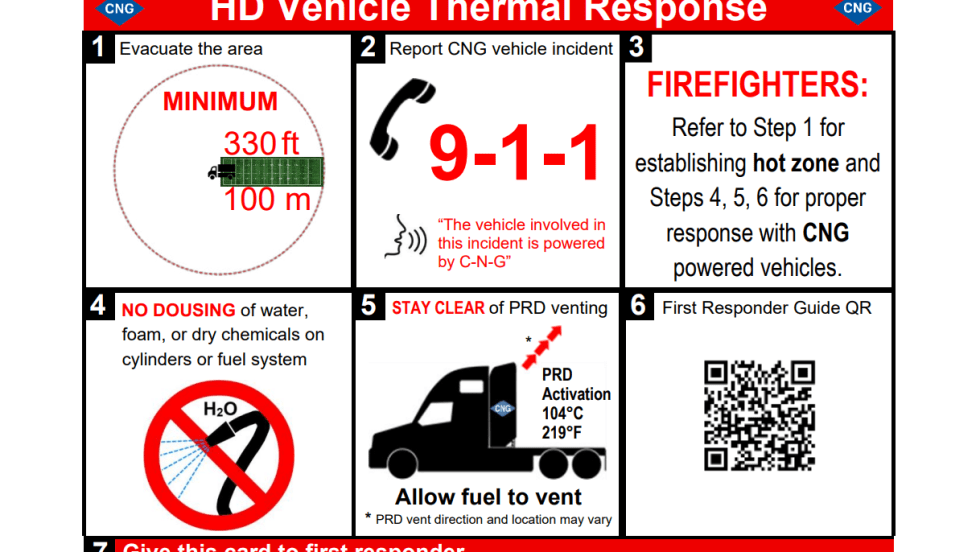
New CNG Vehicle Incident Response Resource Released

The downloadable safety guide contains detailed “Vehicle Crash and/or Leak Response” instructions in addition to “Vehicle Thermal Response” instructions.

Read More →
Ad Loading...
Close-up of a person reviewing charts and a document featuring the Samsara logo, representing research findings on disaster preparedness and operational resilience.
Safetyby News/Media ReleaseOctober 21, 2025

New Samsara Data Reveals Dangerous Gap in Disaster Readiness

A new Samsara report highlights widespread gaps in disaster preparedness among public and private organizations, with most leaders lacking confidence in their ability to respond to major crises.

Read More →
Close-up of a vehicle speedometer representing NYC DCAS efforts to implement Intelligent Speed Assistance technology across city fleet vehicles.
Safetyby News/Media ReleaseOctober 21, 2025

NYC to Make Intelligent Speed Assistance Standard Across More Than 7,000 Fleet Vehicles

New York City is expanding the use of Intelligent Speed Assistance technology across all non-emergency fleet vehicles, marking the world’s largest municipal ISA program, according to NYCDCAS.

Read More →
Safetyby Jeanny RoaOctober 15, 2025

Speed Smarter, See Better: Fleet Innovations from Somerset

Keith Kerman shares how Intelligent Speed Assist and Executive Order 39 aim to make municipalities safer for all.

Read More →
Ad Loading...
SafetyOctober 14, 2025

Inside Alexandria’s Tons of Trucks: A Model for Citizen Engagement in Fleet Operations

A look at how direct public engagement can help fleet departments build transparency, understanding, and trust with the communities they serve.

Read More →