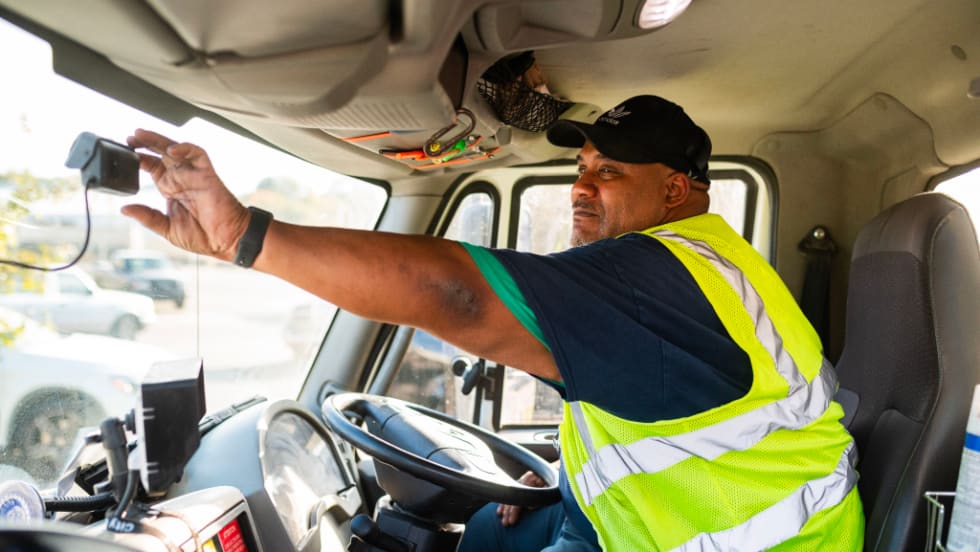
TUCSON, AZ – Pima County, Ariz., is in the process of adding GPS systems to 1,400 of its vehicles. Government Fleet spoke with the County’s Fleet Manager Frank Samaniego and Risk Manager Lauren Eib about how the County went about implementing the new system, from the benefits it will provide to the challenges involved in its implementation.
Pima County has a total of 2,417 vehicle and equipment assets, with 788 passenger vehicles, 1,044 types of heavy-duty and off-road assets, and 585 trailers and miscellaneous equipment. The County is adding GPS units from GPS Fleet Solutions to 1,400 assets, which is the number of vehicles on the road at any one time.
“They’re being installed,” said Eib. “We have 300 that have been done so far. We just finished our pilot project and are getting it started. One of the things we did, and it was important to me, was to make sure the system was accurate. Anybody who had a violation, for example speed, I wanted to be able to tell them.”
The County tested the system thoroughly before deciding to go with the specific vendor.
“During the RFP process, we had the GPS installed in risk management’s cars and my people drove them around,” Eib said. “We monitored them for a day with a vendor there. After they were awarded the contract, we put it in risk management’s vehicles we violated the parameters for speed, and checked where people were. It’s very accurate. It’s down to almost the parking space you’re in, it’s that accurate. When we had violations of speed, there were no questions about the accuracy.”
To get the system installed Samaniego said fleet services had to put in extra time, and coordination was a challenge.
“We had to go to working OT on Saturdays to get the vehicles in,” he said. “Having 100 cars show up on the weekend is quite a challenge. Even coordinating getting employees to come in was challenging. Sometimes we would shoot for 100 and only get 75. We eventually get them all, though.”
Eib said she expects significant savings from the system, ranging from a half million up to $2 million, though beyond savings, safety is a major benefit the system provides.
“For me it’s about keeping people safe, making sure they are abiding by the speed limit, making sure they have their seatbelts on,” Eib said. “Our people go out into the desert. They will be out there by themselves. This system lets us know where they are. Those people are really happy they have GPS on their vehicles. They know that we know where they are.”
Other savings will come from the ability to regulate vehicle idling under certain conditions, for example when a vehicle is in a County yard.
The County has given access to the system to employees’ managers, which Eib said will help those managers keep a better eye on employees.
“Although my people, who monitor for safety, the departments are monitoring for the management of the vehicle and the safety of the employees,” Eib said. “It’s also to make sure people aren’t doing things they shouldn’t be doing, like going home.”
Another benefit Eib mentioned was that if the County receives complaints about mis-use of vehicles, the County now has the ability to verify the vehicle’s location. This helps protect employees from misinformed or malicious complaints.
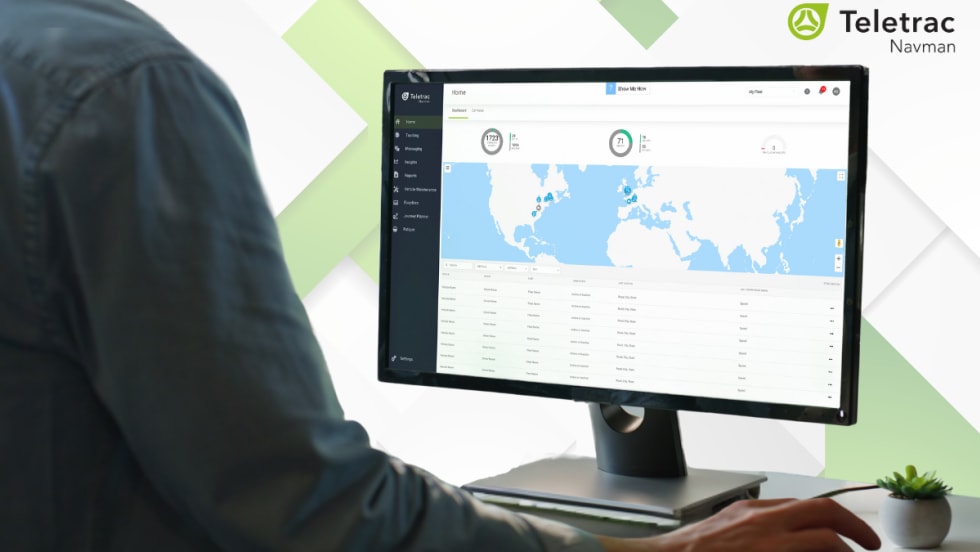
Another benefit Samaniego mentioned is that the system will help managers with route optimization so they can cut down on the number of miles their employees are traveling. The system will also help the County streamline its maintenance operations by monitoring fleet vehicle condition more closely.
“The GPS can also report engine diagnostic codes,” Samaniego said. “Now we’re actually finding out about those check engine lights first thing in the morning. We can take a look at the code and determine when we need to do maintenance.”
Government Fleet asked about the County’s vehicle-use policy, and Eib explained that incidental stops are allowed because for many employees, their vehicle is their office. GPS will allow the County to prevent abuse of this privilege, though.
“They can stop at a 7-11 to stop to get water, get lunch, has to be within the work area,” Eib said. “They can do personal things, such as go to the bank, as long as it’s not excessive. Just because your office is your car, it doesn’t mean you can’t do the things an office worker can’t do during the day. If you go to a bank every day, we’re going to notice this.”
Overall, County employees haven’t had any problems with the GPS units, according to Eib.
“I think it’s been positive. I haven’t seen a lot of push-back,” she said. “There are people who work out in the field out in the country, and it gives them a feeling of safety. We’re not trying to be punitive; we’re just trying to keep them safe. People think their [government] entity is not going to be accepting of this. Management wanted us to implement this, and for the most part it’s been accepted and embraced.”
By Greg Basich