Red Government Fleet with star logo
MenuMENU
SearchSEARCH

Report Reveals Run-Down Fire, EMS Fleets in Pittsburgh

As Pittsburgh's emergency responders put more miles and wear on fire trucks and EMS vehicles, leaders are requesting new vehicles.

February 16, 2022
Report Reveals Run-Down Fire, EMS Fleets in Pittsburgh

A comprehensive report on Pittsburgh's fire and EMS vehicles reveals they are becoming run-down.

3 min to read


Pittsburgh's Bureau of Fire and Bureau of Emergency Medical Services (EMS) fleets are run-down, and there's no relief in sight. That's according to a newly released comprehensive report on the state of the city government's bureaus.

No Funding to Replace Aging EMS Vehicles

The EMS report included an October 2021 e-mail from Ronald Romano, chief of the Bureau of EMS. He said the frontline fleet is continuing to age and increase in mileage. Spare trucks are also aging, causing breakdowns and prolonged out-of-service time while switching.

Romano said constantly rotating between newer and older trucks can be risky and the age of the current fleet is highly concerning to him. Ten of the bureau's vehicles are currently housed at outside parking spaces, exposing them to the outdoor elements. Romano suggested using a warehouse to store and protect them. The inside garage currently used by the EMS holds seven stocked ambulances, four motorcycles and two bicycles that are only used for special events, and three large ambulances for disasters.

The fleet includes 13 Advanced Life Support (ALS) trucks, the oldest of which was manufactured in 2017. Although that may not seem outdated, the report said high mileage impacts the performance of even the newer models. The city's scuba truck was manufactured in 1987, and the rescue truck was manufactured in 1982. Spare trucks are used weekly to allow routine preventive maintenance service to the newer vehicles.

There was no order placed for new trucks last year, and there was also no order for receipt this year due to budget constraints.

In the October 2021 e-mail, Romano said he believes the bureau needs three new ALS ambulances yearly to continue a solid rotation. He said in not receiving any new ones, the need for them and cost for them builds onto what will be needed next year.

He went on to say he will need nine ALS ambulances for 2023, at a cost of almost $3 million. Because the bureau hasn't been given approval to purchase more vehicles, the report stated that it may not get any new vehicles until late 2023, if then, due to the order completion time. The report found that covered storage may help extend the lifecycle of existing vehicles.

New Vehicles Will Replace Aged Fire Fleet

Pittsburgh Fire Chief Darryl Jones said the condition of his aging fire fleet is a concerning. In the report, Jones said there are 11 trucks and 30 engines on the road day to day. Spare trucks and engines are used when the newer trucks and engines are out for regular maintenance. At least five of the department's frontline trucks are more than 11 years old. Jones said he would prefer the frontline trucks to be newer than 10 years old. He reported that the budget was approved for the purchase of three new engines, which have been ordered. One new engine is expected this year, and two additional engines will arrive next year. The cost of the engines is $600,000, with trucks averaging $1.1 million. Jones said reaching the goal of having four additional engines would result in the bureau having a standardized fleet.

Ralph Sicuro, president of the local firefighters union, told reporters at PublicSource that the department lacks a robust set of reserve trucks. While breakdowns during emergencies are rare, they do become more likely as vehicles age, Sicuro reported.

“Our lives depend on these equipment operating properly at a structure fire,” Sicuro said. “The last thing you want is to be deep into a building, and the pumper you’re using to pump water breaks down and you have to get out of there quickly.”

More Safety

SponsoredJanuary 19, 2026

3 New Ways Fleet Software Pays: ROI opportunities for modern fleet managers

Public fleets face constant pressure to do more with limited budgets. This eBook outlines how modern fleet software helps agencies extend asset life, reduce unplanned downtime, and improve safety by automating maintenance, using smarter video insights, and unifying fleet data. A practical look at how technology can drive measurable ROI for taxpayers.

Read More →
SponsoredJanuary 14, 2026

Behind the Wheel: Distracted Driving in the US Public Sector

Distracted driving is a persistent challenge for public sector fleets, impacting community safety, operational costs, and driver well-being. Samsara’s latest State of Connected Operations report found that 76% of public sector drivers have experienced a “close call” due to distraction—underscoring the urgent need for action.

Read More →
Safetyby Jeanny RoaDecember 22, 2025

Holiday Travel Surge: What Government Fleet Managers Need to Know About Increased Road Risks

As year-end travel reaches record levels, fleet managers must anticipate increased road congestion and safety challenges for government vehicles and drivers.

Read More →
Ad Loading...
SafetyDecember 11, 2025

How Government Fleets Can Reduce Distracted Driving: Key Takeaways

Crashes, near misses, and costly collisions still occur every day. How agencies can better protect their drivers, roadside workers, and communities.

Read More →
SponsoredDecember 5, 2025

The Road to Smarter Electric Van Transitions: A practical roadmap for integrating electric vans into your fleet

Electric vans are becoming a strategic tool, not just a sustainability move. Get a roadmap that breaks down costs, charging planning, upfit compatibility, and what fleets should evaluate before making the switch.

Read More →
Safetyby News/Media ReleaseOctober 29, 2025

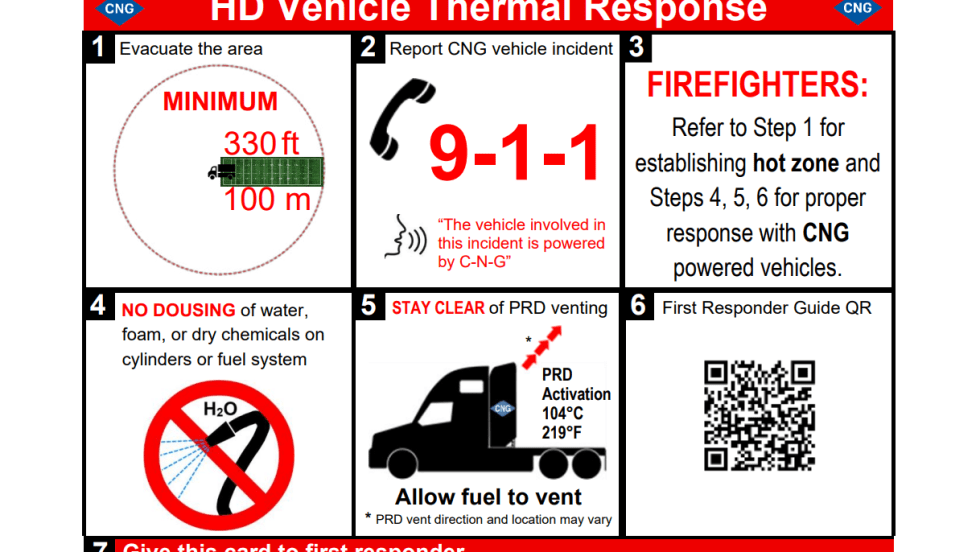
New CNG Vehicle Incident Response Resource Released

The downloadable safety guide contains detailed “Vehicle Crash and/or Leak Response” instructions in addition to “Vehicle Thermal Response” instructions.

Read More →
Ad Loading...
Close-up of a person reviewing charts and a document featuring the Samsara logo, representing research findings on disaster preparedness and operational resilience.
Safetyby News/Media ReleaseOctober 21, 2025

New Samsara Data Reveals Dangerous Gap in Disaster Readiness

A new Samsara report highlights widespread gaps in disaster preparedness among public and private organizations, with most leaders lacking confidence in their ability to respond to major crises.

Read More →
Close-up of a vehicle speedometer representing NYC DCAS efforts to implement Intelligent Speed Assistance technology across city fleet vehicles.
Safetyby News/Media ReleaseOctober 21, 2025

NYC to Make Intelligent Speed Assistance Standard Across More Than 7,000 Fleet Vehicles

New York City is expanding the use of Intelligent Speed Assistance technology across all non-emergency fleet vehicles, marking the world’s largest municipal ISA program, according to NYCDCAS.

Read More →
Safetyby Jeanny RoaOctober 15, 2025

Speed Smarter, See Better: Fleet Innovations from Somerset

Keith Kerman shares how Intelligent Speed Assist and Executive Order 39 aim to make municipalities safer for all.

Read More →
Ad Loading...
SafetyOctober 14, 2025

Inside Alexandria’s Tons of Trucks: A Model for Citizen Engagement in Fleet Operations

A look at how direct public engagement can help fleet departments build transparency, understanding, and trust with the communities they serve.

Read More →