



Red Government Fleet with star logo
MenuMENU
SearchSEARCH

Report Says North Carolina Should Centralize Fleet Management

RALEIGH, NC - A report about the State of North Carolina fleet suggested the State expand the mission of the Division of Motor Fleet Management to oversee all state vehicles and rename it the Division of State Fleet Management to recognize this increased authority.

by Staff
July 27, 2012
3 min to read


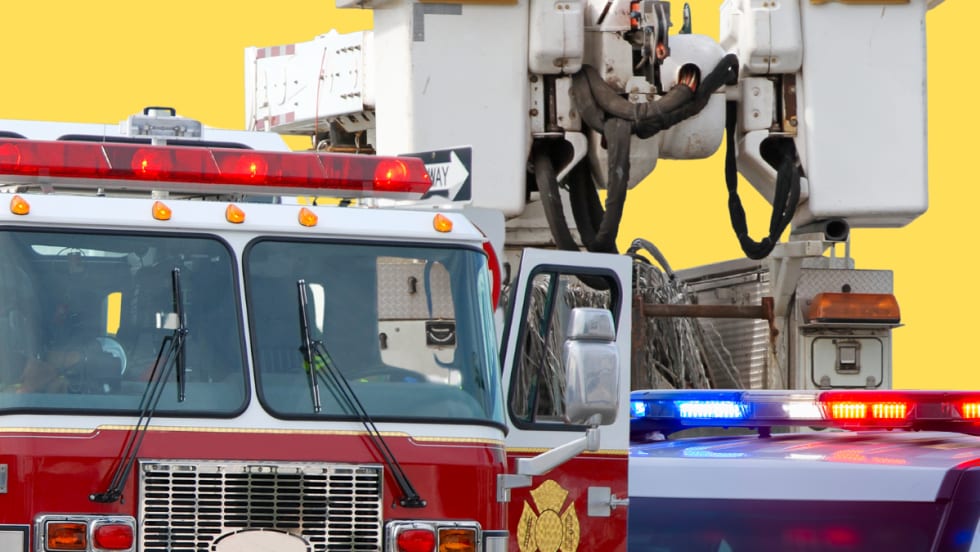
RALEIGH, NC - A third report from the State of North Carolina Program Evaluation Division about the State fleet suggested the State expand the mission of the Division of Motor Fleet Management (MFM) to oversee all state vehicles and rename it the Division of State Fleet Management to recognize this increased authority. Currently, the MFM only oversees state-owned passenger motor vehicles, not non-passenger vehicles and law enforcement, fire, and emergency vehicles. Non-passenger and exempted vehicles make up 73%, or 20,795 units, of State-owned vehicles.

The new Division of State Fleet Management would continue under the Department of Administration. The Program Evaluation Division’s report stated the MFM would need five new positions to perform its additional responsibilities. The additional cost of staff and operating costs is estimated to be $400,000, to be paid from fees charged to state agencies and institutions.

The effective date of the transition should be Jan. 1, 2013.

The Program Evaluation Division’s investigation into management of fleet vehicles found that North Carolina had weak and diffuse oversight of fleet vehicles, resulting in inefficient use of State assets. The Departments of Administration and Transportation own 55% of all State vehicles. Fourteen agencies owning more than 200 vehicles had more that 95% of the State fleet, and numerous other agencies owned and managed their own vehicles, ranging from fleet size of 1 to 199. Lack of oversight over all vehicles led to inconsistent information and statistics, leading to an inability to “determine the appropriate fleet size to meet state government needs,” according to the report.

The report found many individual fleet agencies did not meet best practice criteria for policies and procedures, management of vehicle utilization data, financial management, and vehicle replacement and acquisition.

The report stated that expansion of responsibilities of the State Fleet Management Division would not mean the division would own all state vehicles; rather, it could provide “statewide supervision of all vehicles without requiring state agencies and institutions to transfer ownership” of vehicles. However, the report stated that currently, 614 passenger vehicles are owned by 28 individual agencies and institutions that need to be transferred to the Department of Administration, per State law.

The new division would, among other duties, maintain inventory, operate the state-wide fleet management information system (FMIS), and review and approve vehicle acquisition and replacement requests.

In FY-2010-11, state agencies owned 28,669 vehicles and spent a total of $182.7 million to own, operate, and maintain motor vehicles. Of this, they used $71.5 million on fuel and $54.2 million on maintenance and repair services.

The first two reports in this series addressed the need for a state-wide fleet management system and the need for a telematics system to strengthen accountability. The full third report can be found here.

More Maintenance

tech-corner-diagnostics
Maintenanceby Mike ClearyFebruary 4, 2026

Tech Corner: Strategies for Diagnostic Success

It takes years to become a great diagnostic technician. Here's what separates the techs who guess from the techs who know.

Read More →
SponsoredFebruary 1, 2026

Why One Car Wash Wasn’t Enough For This Fleet

Limited wash locations can increase travel time, fuel costs, and admin work for fleets. Here’s how one government fleet expanded access and simplified operations.

Read More →
SponsoredJanuary 19, 2026

Basic Tracking vs Next Generation Fleet Technology

Fleet software is getting more sophisticated and effective than ever, tying big data models together to transform maintenance, safety, and the value of your existing tech stack. Fleet technology upgrades are undoubtedly an investment, but updated technology can offer a much higher return. Read how upgrading your fleet technology can increase the return on your investment.

Read More →
Ad Loading...
SponsoredJanuary 14, 2026

It’s here: The 2026 Fleet Technology Trends Report

What does AI mean for fleets? Get the answer — and learn other top tech trends.

Read More →
MaintenanceDecember 19, 2025

Keeping Snow and Ice Removal Equipment at the Ready

The best time to prepare winter equipment is before you’ll need it. Here are pre-season tips to keep your equipment on the road and out of the shop.

Read More →
SponsoredDecember 11, 2025

Case Study: How the City of Sugar Land Digitized Its 550-Vehicle Fleet, Saving 100+ Labor Hours Weekly and $1.5M in Budget Gains

See how the City of Sugar Land modernized its 550-vehicle fleet, reclaimed 100+ labor hours weekly, and unlocked $1.5M in budget impact — all with FASTER Asset Solutions.

Read More →
Ad Loading...
SponsoredDecember 5, 2025

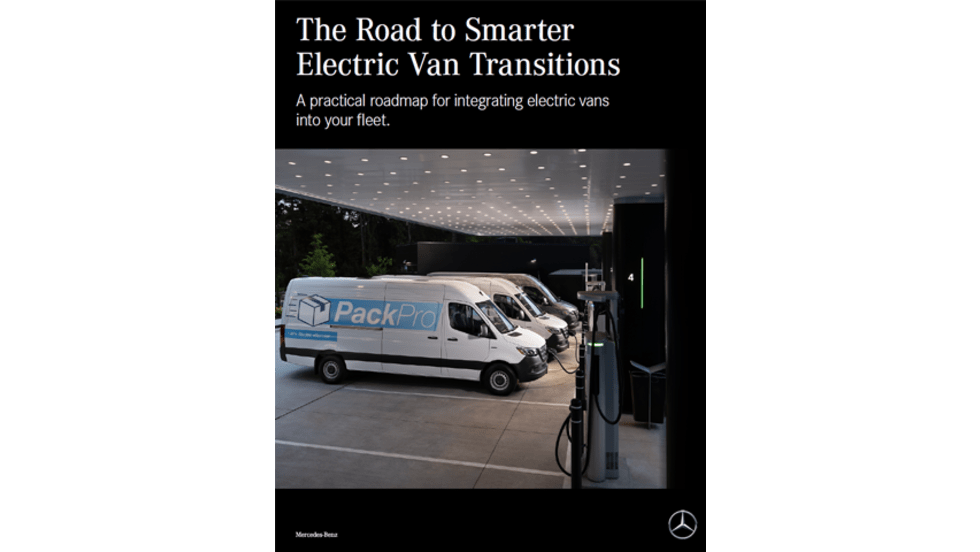
The Road to Smarter Electric Van Transitions: A practical roadmap for integrating electric vans into your fleet

Electric vans are becoming a strategic tool, not just a sustainability move. Get a roadmap that breaks down costs, charging planning, upfit compatibility, and what fleets should evaluate before making the switch.

Read More →
Maintenanceby Staff WriterSeptember 15, 2025

7 Design Principles of Highly Effective Garages

Learn how to create a place where employees feel prepared to do their jobs safely.

Read More →
Maintenanceby News/Media ReleaseSeptember 10, 2025

Amerit Acquires Derotic Emergency Equipment

The acquisition will be integrated with Vector Fleet Management, expanding its reach in the government, emergency, and specialty vehicle sector.

Read More →
Ad Loading...
MaintenanceJuly 25, 2025

The Coffee, the Cell Phone, the Cigarette: Managing Shop Distractions

Fleet managers must eliminate distractions and disruptions in order to increase workplace efficiency, while being aware that employees have their personal lives to attend to as well.

Read More →