Red Government Fleet with star logo
MenuMENU
SearchSEARCH

Roadmap to Safety Advocates Mandating Game-Changing Technology

The 2023 Roadmap to Safety was released and discusses improving roads and infrastructures for driver safety.

December 12, 2022
Roadmap to Safety Advocates Mandating Game-Changing Technology

According to the Roadmap to Safety report, motor vehicle crashes increased by 10.5% from 2020 to 2021.

Advocates for Highway and Auto Safety/Government Fleet

3 min to read


The 20th edition of the Roadmap to Safety was recently released. The annual report assesses the state of safety throughout the roads in the U.S.

According to the report, the traffic fatalities in 2021 and primarily into 2022 remain very high. The data comes down to 115 people killed every day on the roadways. And motor vehicle crashes increased by 10.5% from 2020 to 2021.

It also stated the U.S. Department of Transportation (DOT) needs to implement changes on the highway, or the number of fatalities will only continue to increase.

The report details several changes the DOT can mandate to help save lives such as automatic emergency braking (AEB), impaired driving prevention technology, and alert systems.

3 Solutions to Improving Safety

According to the study, officials have the tools and technology needed to make cars and roadways safer, it’s a matter of the nation’s federal and state leaders taking action to implement it.

The report advocates focus on three solutions to improve the safety of the roadways:

1. Safe vehicles.

2. Safe road users.

3. Safe road infrastructure.

Safe Vehicles

To start, there are several safety technologies officials suggest DOT can mandate that all new vehicles have. According to the Insurance Institute for Highway Safety, AEB, lane departure warning, and blind spot detection have been proven to prevent accidents significantly.

“NHTSA has estimated that over 600,000 lives were saved by motor vehicle technologies between 1960 and 2012,” according to the report.

Safe Road Users

All 50 states have areas of improvement when it comes to keeping roads safe for users.

According to advocates in the report, “Walking, biking, and rolling should be safe and reliable modes of transportation. Based on government and private research, crash data, and state experience, we urge all states to enact the optimal laws rated in this report covering occupant protection, child passenger safety, young novice drivers, impaired driving, distracted driving, and automated enforcement to curb speed.”

Some of the recommendations for this are enforcing laws such as front and back seat belts, helmets for motorcycles, child passenger safety, and teen driving requirements.

Safe Road Infrastructure

The study states a big problem current infrastructure has is it doesn’t accommodate all road users: drivers of vehicles, motorcycle riders, pedestrians, bicyclists, micromobility riders, wheelchair users, and others.

Improving outdated designs and operations of roadways will greatly improve the safety of road users.

A Safe System Approach (SSA) identified five elements needed to focus on: safe road users, safe vehicles, safe speed, safe roads, and post-crash care. It recommended lawmakers advance those priorities to prevent crashes and mitigate harm when they do occur.

Governments Committed to Improving Road Safety

Several U.S. governments have already made it one of their missions to improve road safety.

Government Fleet reported on two such initiatives. New York City Mayor Eric Adams has a five-year “NYC Streets Plan” to advance road safety goals while expanding street safety and public transportation infrastructure. One of the focuses will be building bike lanes and pedestrian lane upgrades.

And Madison, Wisconsin, Fleet Superintendent Mahanth Joishy has a goal to reduce fleet and traffic collisions to zero by 2030.

And for governments looking to improve their road safety, Together for Safer Roads (TSR) partners with companies and governments to build safer roads. Its recent partnership with VisionTrack allows for video-enabled solutions across fleets.  
More Safety

SponsoredJanuary 19, 2026

3 New Ways Fleet Software Pays: ROI opportunities for modern fleet managers

Public fleets face constant pressure to do more with limited budgets. This eBook outlines how modern fleet software helps agencies extend asset life, reduce unplanned downtime, and improve safety by automating maintenance, using smarter video insights, and unifying fleet data. A practical look at how technology can drive measurable ROI for taxpayers.

Read More →
SponsoredJanuary 14, 2026

Behind the Wheel: Distracted Driving in the US Public Sector

Distracted driving is a persistent challenge for public sector fleets, impacting community safety, operational costs, and driver well-being. Samsara’s latest State of Connected Operations report found that 76% of public sector drivers have experienced a “close call” due to distraction—underscoring the urgent need for action.

Read More →
Safetyby Jeanny RoaDecember 22, 2025

Holiday Travel Surge: What Government Fleet Managers Need to Know About Increased Road Risks

As year-end travel reaches record levels, fleet managers must anticipate increased road congestion and safety challenges for government vehicles and drivers.

Read More →
Ad Loading...
SafetyDecember 11, 2025

How Government Fleets Can Reduce Distracted Driving: Key Takeaways

Crashes, near misses, and costly collisions still occur every day. How agencies can better protect their drivers, roadside workers, and communities.

Read More →
SponsoredDecember 5, 2025

The Road to Smarter Electric Van Transitions: A practical roadmap for integrating electric vans into your fleet

Electric vans are becoming a strategic tool, not just a sustainability move. Get a roadmap that breaks down costs, charging planning, upfit compatibility, and what fleets should evaluate before making the switch.

Read More →
Safetyby News/Media ReleaseOctober 29, 2025

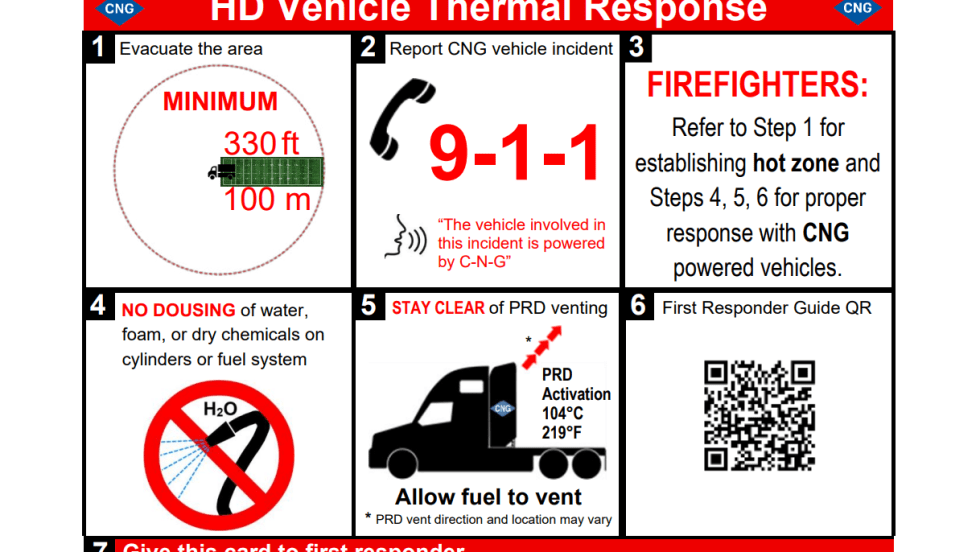
New CNG Vehicle Incident Response Resource Released

The downloadable safety guide contains detailed “Vehicle Crash and/or Leak Response” instructions in addition to “Vehicle Thermal Response” instructions.

Read More →
Ad Loading...
Close-up of a person reviewing charts and a document featuring the Samsara logo, representing research findings on disaster preparedness and operational resilience.
Safetyby News/Media ReleaseOctober 21, 2025

New Samsara Data Reveals Dangerous Gap in Disaster Readiness

A new Samsara report highlights widespread gaps in disaster preparedness among public and private organizations, with most leaders lacking confidence in their ability to respond to major crises.

Read More →
Close-up of a vehicle speedometer representing NYC DCAS efforts to implement Intelligent Speed Assistance technology across city fleet vehicles.
Safetyby News/Media ReleaseOctober 21, 2025

NYC to Make Intelligent Speed Assistance Standard Across More Than 7,000 Fleet Vehicles

New York City is expanding the use of Intelligent Speed Assistance technology across all non-emergency fleet vehicles, marking the world’s largest municipal ISA program, according to NYCDCAS.

Read More →
Safetyby Jeanny RoaOctober 15, 2025

Speed Smarter, See Better: Fleet Innovations from Somerset

Keith Kerman shares how Intelligent Speed Assist and Executive Order 39 aim to make municipalities safer for all.

Read More →
Ad Loading...
SafetyOctober 14, 2025

Inside Alexandria’s Tons of Trucks: A Model for Citizen Engagement in Fleet Operations

A look at how direct public engagement can help fleet departments build transparency, understanding, and trust with the communities they serve.

Read More →