




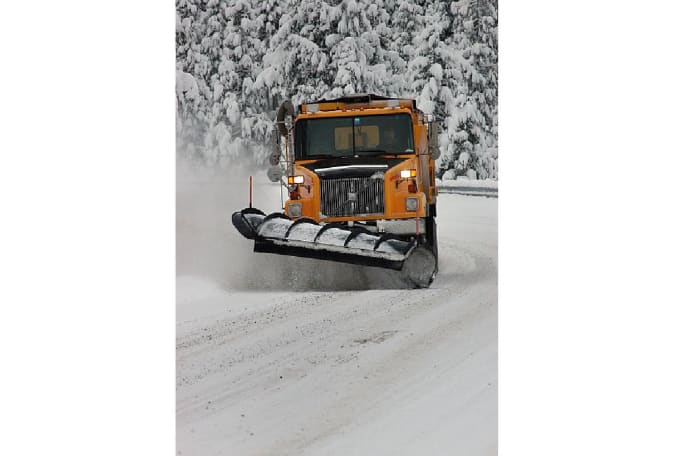
Bendix reminds technicians that air, brakes, and controls system components need proper upkeep for safe vehicle operation.
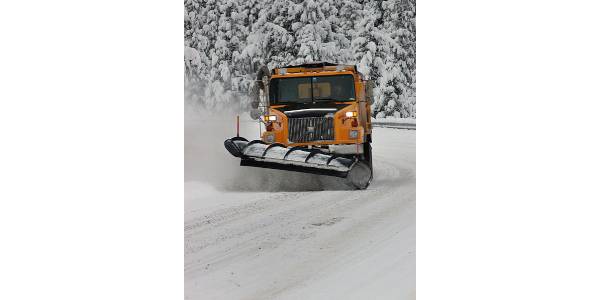
Freezing temperatures; snow and ice in the air and on the ground; corrosive road treatments: Winter throws a lot at truck drivers and their vehicles. With an eye on keeping trucks in good operating condition in cold and nasty weather, this installment of the Bendix Tech Tips series provides reminders on taking proper care of air, brakes, and controls system components.
A Is for Air
“A lot rides on a truck’s air system – from braking to automated manual transmissions to emissions controls – and, in particular, on a reliable supply of clean and dry compressed air,” said Richard Nagel, Bendix’s director of marketing and customer solutions – Air Supply & Drivetrain. “When it’s cold, moisture in the air system can condense and freeze, which increases the odds of brake and valve malfunctions. That’s why it’s always advisable to manually drain the air tanks at the start of the cold weather season. And while draining every three months is generally sufficient, monthly or weekly drains may be necessary for vehicles like vocational trucks, which have a high air demand.”
The beginning of cold weather is also a good time to replace the air dryer cartridge – although if you haven’t yet, it’s not too late, especially if you’re unsure whether it’s overdue. Since oil aerosols can be particularly harmful to a truck’s air system, by damaging valves and seals, Bendix recommends an oil-coalescing cartridge that incorporates PuraGuardfiltration, even if you’re replacing a standard cartridge. If the vehicle is already using an oil-coalescing dryer cartridge, it’s important to stick with that type for system protection.
Keep an eye on the dryer’s purge valve for grit accumulation or corrosive damage due to road-clearing chemicals. Putting in a new one is a quick and simple bit of preventive maintenance that can save bigger headaches in the future.
Finally, avoid using de-icing solutions on an air system, unless it’s an emergency. These chemicals can corrode O-rings and valve seals. If it’s absolutely necessary, limit the exposure to the smallest area possible, and conduct follow-up checks on the affected parts.
B Is for Brakes
“At the wheel-ends, the onset of winter weather means paying extra attention to brake components,” said Mark Holley, director of marketing and customer solutions – Wheel-End. “During pre-trip walk-arounds, drivers should look at the air brake chamber housings for corrosion or damage that could allow corrosive materials to take hold, and make sure dust plugs are properly installed. The idea is to prevent corrosion from getting a foothold when these areas are most exposed to hazardous situations.”
In the shop, there are several steps to take to keep braking components healthy in the winter. On drum-braked wheel-ends, lubricate the automatic slack adjusters, clevis pin connections, cam tubes, shafts, and bushings. It’s a standard preventive maintenance procedure that also keeps moisture from building up and enabling corrosion.
On wheel-ends equipped with air disc brakes, check the guide pins and inspect the boots for tears or punctures that could permit corrosion. Replace any pins or boots as needed. Verify that the shear adaptor cover is in place and fully seated. Also, check for free movement of air disc brake pads in the carrier. If necessary, remove them and clean the carrier surface with a wire brush to make sure the brake moves freely on its guidance system.
C Is for Controls
“Driver assistance technologies, such as stability and collision mitigation systems, may be called upon more often in wintry road conditions, while tire pressure monitoring systems are valuable in keeping proper inflation during temperature swings,” said TJ Thomas, Bendix director of marketing and customer solutions – Controls. “It’s key to follow pre-trip inspection recommendations detailed in the Bendix Service Data Sheets to make sure these electronic systems are operating properly.”
It’s also important to check electronic connections to ensure they are secure and watertight. Connectors and other sensitive components can be ruined by moisture, salt, and road chemicals.
Drivers should also be mindful of keeping external cameras and radar sensors, such as forward-mounted collision mitigation units, free of snow and ice by checking them just before driving. Thomas noted while today’s advanced driver assistance technologies are integrated, the foundational technologies can sometimes remain operable if higher-level functions are limited by winter conditions.
“A blocked lane departure warning camera, for instance, doesn’t shut down the entire collision mitigation system,” Thomas said. “Similarly, if a radar unit becomes obstructed by snow during driving, while the collision mitigation functions may be limited, the underlying full-stability technology is still supporting the driver.”
Like it or not, winter always comes around: preparation and preventive maintenance help fleets and owner-operators avoid the toll it can take on their trucks, enhancing the safety of the men and women behind the wheel and everyone who shares the road.