Red Government Fleet with star logo
MenuMENU
SearchSEARCH

Together for Safer Roads Announces Findings on Truck of the Future Pilot Program

The data analyzed by the U.S. DOT Volpe Center indicates a decline in speeding and a heightened awareness of vulnerable road users.

Together for Safer Roads Announces Findings on Truck of the Future Pilot Program

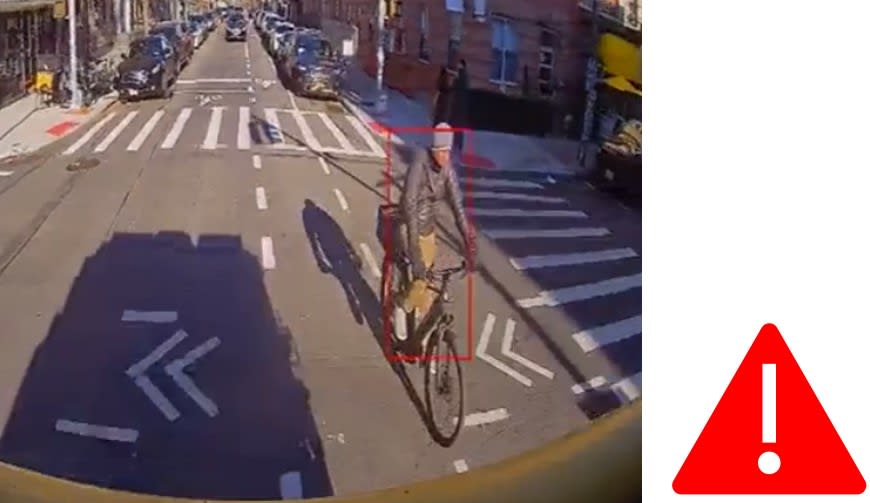
Image from VisionTrack system (left). Drivers also saw a warning icon when the VRU was detected (right).

Photo: U.S. Department of Transportation Volpe Center

3 min to read


Together for Safer Roads (TSR) announced the findings from a study on its Truck of the Future (ToF) pilot program, which works to enhance road safety for vulnerable road users (VRUs) in urban areas. The pilot, conducted throughout 2023, showcased promising results in utilizing innovative aftermarket technologies to mitigate potential conflicts between large fleet vehicles and VRUs. 

An Urgent Need for Measures to Protect VRUs

In 2021, 84% of the 7,388 pedestrian fatalities recorded occurred in urban areas, according to the Insurance Institute for Highway Safety. The ToF pilot program, a public-private partnership, sought to address this challenge by installing VRU Detection Systems on fleet vehicles, providing drivers with enhanced visibility and real-time feedback on potential near misses.

The VRU technology, developed by TSR member VisionTrack, utilizes AI-powered cameras to detect pedestrians, bicyclists, motorcyclists, and scooter users around the vehicle. Fleets participating in the pilot include New York City, with 10 vehicles each from two separate city departments, and AB InBev’s subsidiary in Mexico City, which had 10 vehicles participate in the pilot. 

A total of 67,732 VRU alerts were collectively recorded over the course of the pilot program amongst the three participating fleets. Only VRUs detected within 0.8 meters of the vehicle were flagged to the driver. This volume of close proximity VRU alerts underscores the challenges faced by drivers on today’s roads, and the importance of a technology that provides drivers with a 360-degree view of vision around the vehicle and alerts on imminent risks.
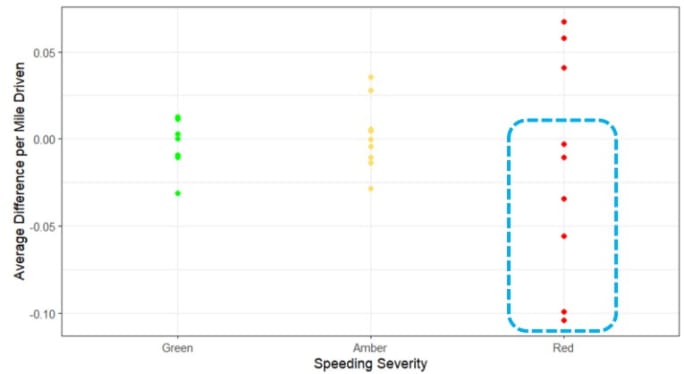
Speeding (Change in alerts per mile driven after alerts engaged). 

Photo: U.S. Department of Transportation Volpe Center

Key findings from the pilot program study include: 

  • Reduction in Speeding: Installation of the VRU Detection System was associated with a decrease in speeding over time, particularly in the most severe ‘red’ category and among outlier speeders. This finding was surprising as the system did not directly alert drivers when they were speeding. The reduction in speeding suggested the VRU Detection System’s benefits may go beyond providing indirect vision and detection alerts, to creating positive behavioral shifts among drivers towards safer practices. Speeding is a leading contributing factor to both crashes and the severity of said crashes once they occur.

  • Increased VRU Awareness: Drivers demonstrated greater awareness of VRUs over time. In one fleet, the proportion of VRU alerts that occurred while the driver was speeding decreased over time, suggesting that drivers consciously slowed down in areas where a VRU was likely to be detected. Meanwhile, a NYC department saw more alerts during warmer months, when more people were out, showing the system's importance in busy areas where the system would flag a VRU. AB InBev’s fleet saw an approximately 50% reduction in the number of VRU alerts over the first three months of the pilot, possibly due to changes in driver behavior. These results highlight how the system could help drivers be more aware and avoid incidents, making roads safer overall.

  • Positive Feedback:

    • Both drivers and managers provided positive qualitative feedback on the effectiveness of the VRU Detection System, highlighting its potential to prevent crashes and improve overall road safety. Nine out of 10 drivers surveyedthought that the alerts would help prevent a crash.

    • In a survey of managers/admin users post-pilot, both NYC (with a rating of 5 out of 5) and AB InBev managers (with a rating of 4.80 out of 5) felt that the cameras and alert systems were very helpful in making the roads safer. 
More Safety

SponsoredJanuary 19, 2026

3 New Ways Fleet Software Pays: ROI opportunities for modern fleet managers

Public fleets face constant pressure to do more with limited budgets. This eBook outlines how modern fleet software helps agencies extend asset life, reduce unplanned downtime, and improve safety by automating maintenance, using smarter video insights, and unifying fleet data. A practical look at how technology can drive measurable ROI for taxpayers.

Read More →
SponsoredJanuary 14, 2026

Behind the Wheel: Distracted Driving in the US Public Sector

Distracted driving is a persistent challenge for public sector fleets, impacting community safety, operational costs, and driver well-being. Samsara’s latest State of Connected Operations report found that 76% of public sector drivers have experienced a “close call” due to distraction—underscoring the urgent need for action.

Read More →
Safetyby Jeanny RoaDecember 22, 2025

Holiday Travel Surge: What Government Fleet Managers Need to Know About Increased Road Risks

As year-end travel reaches record levels, fleet managers must anticipate increased road congestion and safety challenges for government vehicles and drivers.

Read More →
Ad Loading...
SafetyDecember 11, 2025

How Government Fleets Can Reduce Distracted Driving: Key Takeaways

Crashes, near misses, and costly collisions still occur every day. How agencies can better protect their drivers, roadside workers, and communities.

Read More →
SponsoredDecember 5, 2025

The Road to Smarter Electric Van Transitions: A practical roadmap for integrating electric vans into your fleet

Electric vans are becoming a strategic tool, not just a sustainability move. Get a roadmap that breaks down costs, charging planning, upfit compatibility, and what fleets should evaluate before making the switch.

Read More →
Safetyby News/Media ReleaseOctober 29, 2025

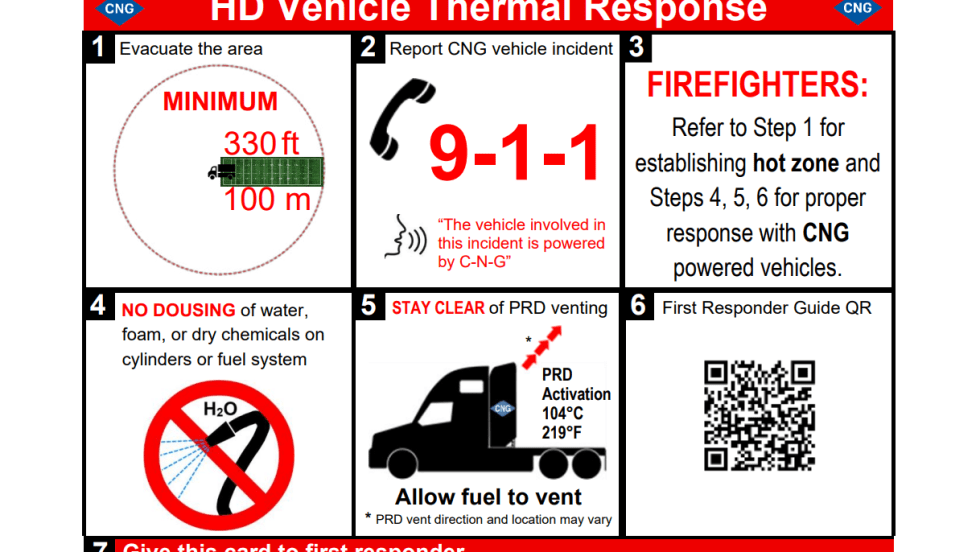
New CNG Vehicle Incident Response Resource Released

The downloadable safety guide contains detailed “Vehicle Crash and/or Leak Response” instructions in addition to “Vehicle Thermal Response” instructions.

Read More →
Ad Loading...
Close-up of a person reviewing charts and a document featuring the Samsara logo, representing research findings on disaster preparedness and operational resilience.
Safetyby News/Media ReleaseOctober 21, 2025

New Samsara Data Reveals Dangerous Gap in Disaster Readiness

A new Samsara report highlights widespread gaps in disaster preparedness among public and private organizations, with most leaders lacking confidence in their ability to respond to major crises.

Read More →
Close-up of a vehicle speedometer representing NYC DCAS efforts to implement Intelligent Speed Assistance technology across city fleet vehicles.
Safetyby News/Media ReleaseOctober 21, 2025

NYC to Make Intelligent Speed Assistance Standard Across More Than 7,000 Fleet Vehicles

New York City is expanding the use of Intelligent Speed Assistance technology across all non-emergency fleet vehicles, marking the world’s largest municipal ISA program, according to NYCDCAS.

Read More →
Safetyby Jeanny RoaOctober 15, 2025

Speed Smarter, See Better: Fleet Innovations from Somerset

Keith Kerman shares how Intelligent Speed Assist and Executive Order 39 aim to make municipalities safer for all.

Read More →
Ad Loading...
SafetyOctober 14, 2025

Inside Alexandria’s Tons of Trucks: A Model for Citizen Engagement in Fleet Operations

A look at how direct public engagement can help fleet departments build transparency, understanding, and trust with the communities they serve.

Read More →