Red Government Fleet with star logo
MenuMENU
SearchSEARCH

USDOT Stresses Need to Protect Vulnerable Road Users

The U.S. Department of Transportation marks October as National Pedestrian Safety Month.

USDOT Stresses Need to Protect Vulnerable Road Users

NHTSA is also launching a new paid media campaign from October 10-31 to educate drivers about the dangers of illegally passing stopped school buses and pedestrian safety. 

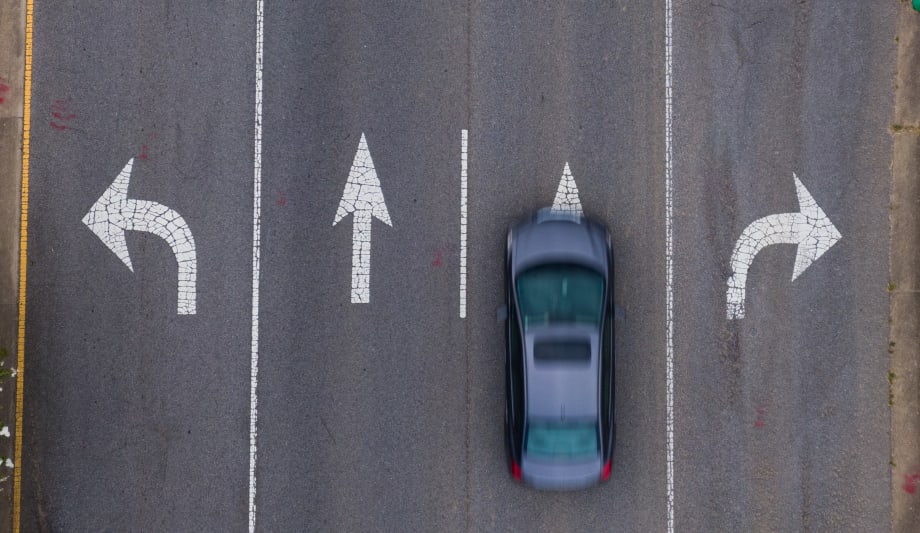
Photo: Kelly, Pexels

3 min to read


With October marking the beginning of National Pedestrian Safety Month, the U.S. Department of Transportation is reminding drivers of their responsibility to stay alert for pedestrians, cyclists, and other vulnerable road users. 

In 2020, 6,516 pedestrians were killed in the United States – an average of 18 pedestrians a day. And in 2021, pedestrian fatalities were projected to be up 13% over 2020.

In January, U.S. Transportation Secretary Pete Buttigieg announced the National Roadway Safety Strategy, focusing to reduce traffic fatalities. The strategy includes initiatives across multiple USDOT agencies, including the National Highway Traffic Safety Administration, the Federal Highway Administration, the Federal Transit Administration, and the Federal Motor Carrier Safety Administration. 

“We live in an era when it is safer to fly in an airplane 30,000 feet above the ground than it is to walk down the street,” said U.S. Transportation Secretary Pete Buttigieg. “This National Pedestrian Safety Month, we must redouble our efforts to address the urgent national crisis on our nation’s roads, and do everything in our power to keep pedestrians safe.”  

Due to most pedestrian fatalities occuring at night, FHWA recently published the Pedestrian Lighting Primer, a resource for transportation practitioners installing and improving pedestrian lighting at locations with existing and future pedestrian activity.

The FHWA has also partnered with FTA to improve safety for pedestrian and bicyclists near transit stops. The agencies released a new guide, Improving Safety for Pedestrians and Bicyclists Accessing Transit, to address common safety issues likely to arise near transit stations, bus stops, and other places where bus or rail transit systems operate. The guide is aimed at helping transit agencies, state and local roadway owners, and regional organizations in addressing pedestrian and bicyclist safety concerns in accessing transit.

As part of efforts to improve pedestrian safety, NHTSA is also launching a new paid media campaign from October 10-31 to educate drivers about the dangers of illegally passing stopped school buses and pedestrian safety for children when boarding and leaving a school bus.

National Pedestrian Safety Month also highlights the disparities in pedestrian safety and the importance of equity in road safety for all. Black and Native American pedestrians are disproportionately killed in the United States, as compared to white pedestrians.

National Pedestrian Safety Month spotlights a different aspect of the safe system approach each week: 

  • Week 1, Safer People: Celebrates the many benefits of walking and how we can encourage more walking by creating a safer system for people who walk or roll. 

  • Week 2, Safer Speeds & Safer Roads: Recognizes the importance of how motorists driving at safer speeds can save lives and highlights the vital role that safer roads play in reducing fatal crashes and injuries. 

  • Week 3, Safer Vehicles: Looks at vehicle solutions – vehicles that provide occupant crash protection, and technology can help prevent crashes from occurring in the first place. Technologies like pedestrian automatic emergency braking can help protect those outside of the vehicle. Vehicle standards can also help reduce the severity of injuries.  The front ends of vehicles can be designed to reduce the impact of a crash. 

  • Week 4, Post-Crash Care: Focuses on providing bystander assistance and care to injured pedestrians, which may be critical in treating injuries and saving lives. 
More Safety

SponsoredJanuary 19, 2026

3 New Ways Fleet Software Pays: ROI opportunities for modern fleet managers

Public fleets face constant pressure to do more with limited budgets. This eBook outlines how modern fleet software helps agencies extend asset life, reduce unplanned downtime, and improve safety by automating maintenance, using smarter video insights, and unifying fleet data. A practical look at how technology can drive measurable ROI for taxpayers.

Read More →
SponsoredJanuary 14, 2026

Behind the Wheel: Distracted Driving in the US Public Sector

Distracted driving is a persistent challenge for public sector fleets, impacting community safety, operational costs, and driver well-being. Samsara’s latest State of Connected Operations report found that 76% of public sector drivers have experienced a “close call” due to distraction—underscoring the urgent need for action.

Read More →
Safetyby Jeanny RoaDecember 22, 2025

Holiday Travel Surge: What Government Fleet Managers Need to Know About Increased Road Risks

As year-end travel reaches record levels, fleet managers must anticipate increased road congestion and safety challenges for government vehicles and drivers.

Read More →
Ad Loading...
SafetyDecember 11, 2025

How Government Fleets Can Reduce Distracted Driving: Key Takeaways

Crashes, near misses, and costly collisions still occur every day. How agencies can better protect their drivers, roadside workers, and communities.

Read More →
SponsoredDecember 5, 2025

The Road to Smarter Electric Van Transitions: A practical roadmap for integrating electric vans into your fleet

Electric vans are becoming a strategic tool, not just a sustainability move. Get a roadmap that breaks down costs, charging planning, upfit compatibility, and what fleets should evaluate before making the switch.

Read More →
Safetyby News/Media ReleaseOctober 29, 2025

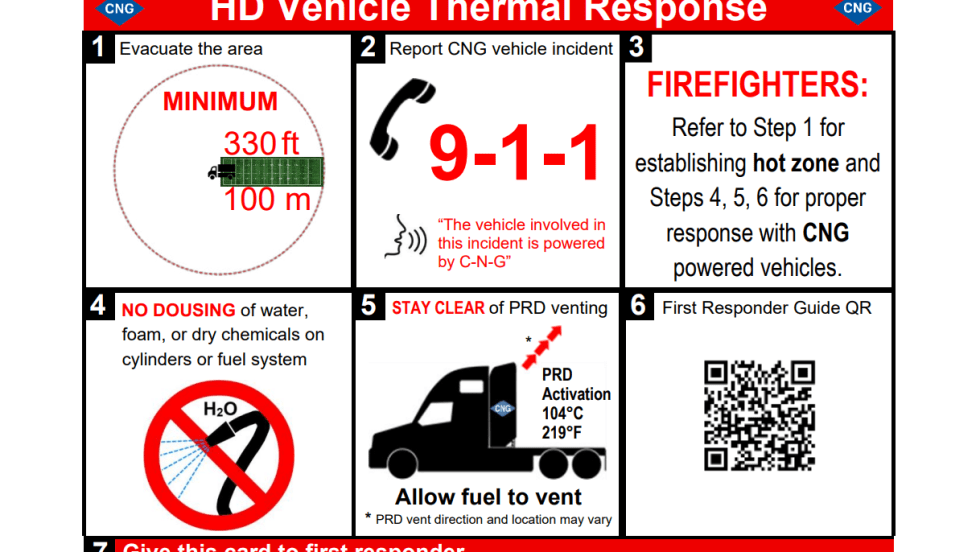
New CNG Vehicle Incident Response Resource Released

The downloadable safety guide contains detailed “Vehicle Crash and/or Leak Response” instructions in addition to “Vehicle Thermal Response” instructions.

Read More →
Ad Loading...
Close-up of a person reviewing charts and a document featuring the Samsara logo, representing research findings on disaster preparedness and operational resilience.
Safetyby News/Media ReleaseOctober 21, 2025

New Samsara Data Reveals Dangerous Gap in Disaster Readiness

A new Samsara report highlights widespread gaps in disaster preparedness among public and private organizations, with most leaders lacking confidence in their ability to respond to major crises.

Read More →
Close-up of a vehicle speedometer representing NYC DCAS efforts to implement Intelligent Speed Assistance technology across city fleet vehicles.
Safetyby News/Media ReleaseOctober 21, 2025

NYC to Make Intelligent Speed Assistance Standard Across More Than 7,000 Fleet Vehicles

New York City is expanding the use of Intelligent Speed Assistance technology across all non-emergency fleet vehicles, marking the world’s largest municipal ISA program, according to NYCDCAS.

Read More →
Safetyby Jeanny RoaOctober 15, 2025

Speed Smarter, See Better: Fleet Innovations from Somerset

Keith Kerman shares how Intelligent Speed Assist and Executive Order 39 aim to make municipalities safer for all.

Read More →
Ad Loading...
SafetyOctober 14, 2025

Inside Alexandria’s Tons of Trucks: A Model for Citizen Engagement in Fleet Operations

A look at how direct public engagement can help fleet departments build transparency, understanding, and trust with the communities they serve.

Read More →