Red Government Fleet with star logo
MenuMENU
SearchSEARCH

WVU Center Develops Electric Drive & Alt-Fuel Vehicle Phone App for First Responders

West Virginia University’s National Alternative Fuels Training Consortium (NAFTC) has developed a smartphone app and full training programs for emergency responders being called to help with highway accidents involving specific electric drive and alternative fuel vehicles.

by Staff
May 3, 2013
2 min to read


QRG

West Virginia University’s National Alternative Fuels Training Consortium (NAFTC) has developed a smartphone app and full training programs for emergency responders being called to help with highway accidents involving specific electric drive and alternative fuel vehicles.

“Because more consumers are choosing electric drive or alternative fuel vehicles, first responders must understand the differences between these and conventional, gasoline-powered vehicles,” said NAFTC Acting Director Bill Davis. “Electric drive and alternative fuel vehicles are as safe as conventional vehicles, but they are different. The First Responder Safety Training provides first responders with important information to enhance their understanding of those differences.”

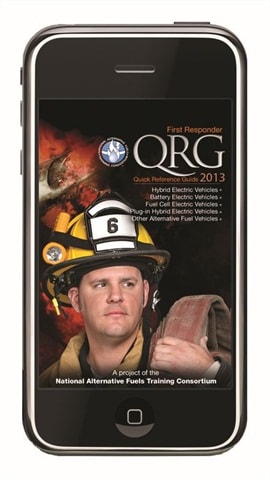
The NAFTC developed the smart phone app – known in the App Stores as “QRG,” which stands for quick reference guide – for first responders who need to access information about electric drive and alternative fuel vehicles at accident scenes. The app contains information on electric drive vehicles such as hybrid, plug-in hybrid, battery, and fuel cell electric vehicles as well as vehicles powered by alternative fuels such as biodesel, ethanol, natural gas, propane, and hydrogen.
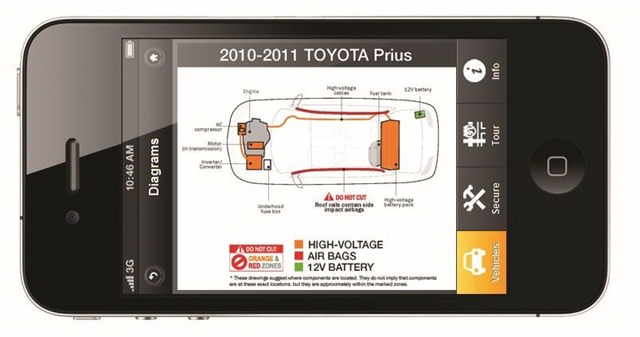
QRG screencapture of a diagram

Davis said the QRG app, which is free, provides detailed, vehicle-specific information including identification mechanisms, disconnect procedures, and other special concerns.

A hard copy version of the QRG also is available as a durable flipbook for emergency personnel to use at the scene of an accident. It details various makes and models of electric drive and alternative fuel vehicles, alerting first responders to such items as high-voltage cables and cut zones. This version of the QRG is available for a nominal cost.

The app is available for the iPhone, iPad, and Android devices. In addition to the app, the NAFTC also produces First Responder Safety Training, curricula developed under two NAFTC grants – the Clean Cities Learning Program, funded by the U.S. Department of Energy (DOE) Clean Cities Program, and the Advanced Electric Drive Vehicle Education Program, funded by the U.S. DOE as an American Recovery and Reinvestment Act project..

NAFTC experts are presenting safety training workshops in addition to “train-the-trainer” events that seek to spread education about electric drive and alternative fuel vehicles.

The First Responder Safety Training targets firefighters, law enforcement officers, paramedics, emergency medical technicians, and hazardous response officials. The training covers modules on Electric Drive Vehicles, Biofuels and Biofuel Vehicles, Gaseous Fuels and Gaseous Fuel Vehicles and Hydrogen and Hydrogen-Powered Vehicles. The suite of products includes instructor manuals, participant booklets, and the quick reference guide. An online course for electric drive vehicles is also available.

More training sessions are planned for various locations throughout the nation. For more information on the NAFTC’s safety training and suite of products, visit www.afvsafetytraining.com.
More Safety

SponsoredJanuary 19, 2026

3 New Ways Fleet Software Pays: ROI opportunities for modern fleet managers

Public fleets face constant pressure to do more with limited budgets. This eBook outlines how modern fleet software helps agencies extend asset life, reduce unplanned downtime, and improve safety by automating maintenance, using smarter video insights, and unifying fleet data. A practical look at how technology can drive measurable ROI for taxpayers.

Read More →
SponsoredJanuary 14, 2026

Behind the Wheel: Distracted Driving in the US Public Sector

Distracted driving is a persistent challenge for public sector fleets, impacting community safety, operational costs, and driver well-being. Samsara’s latest State of Connected Operations report found that 76% of public sector drivers have experienced a “close call” due to distraction—underscoring the urgent need for action.

Read More →
Safetyby Jeanny RoaDecember 22, 2025

Holiday Travel Surge: What Government Fleet Managers Need to Know About Increased Road Risks

As year-end travel reaches record levels, fleet managers must anticipate increased road congestion and safety challenges for government vehicles and drivers.

Read More →
Ad Loading...
SafetyDecember 11, 2025

How Government Fleets Can Reduce Distracted Driving: Key Takeaways

Crashes, near misses, and costly collisions still occur every day. How agencies can better protect their drivers, roadside workers, and communities.

Read More →
SponsoredDecember 5, 2025

The Road to Smarter Electric Van Transitions: A practical roadmap for integrating electric vans into your fleet

Electric vans are becoming a strategic tool, not just a sustainability move. Get a roadmap that breaks down costs, charging planning, upfit compatibility, and what fleets should evaluate before making the switch.

Read More →
Safetyby News/Media ReleaseOctober 29, 2025

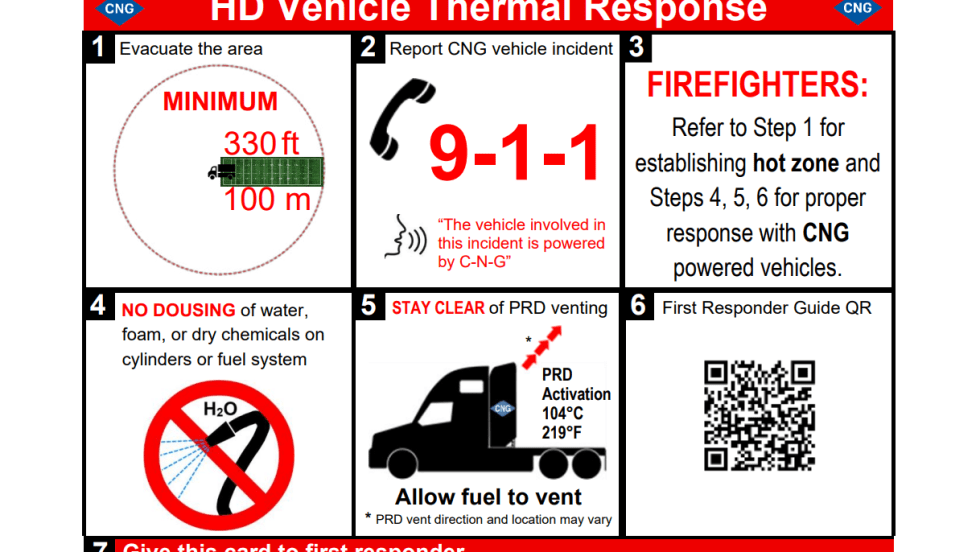
New CNG Vehicle Incident Response Resource Released

The downloadable safety guide contains detailed “Vehicle Crash and/or Leak Response” instructions in addition to “Vehicle Thermal Response” instructions.

Read More →
Ad Loading...
Close-up of a person reviewing charts and a document featuring the Samsara logo, representing research findings on disaster preparedness and operational resilience.
Safetyby News/Media ReleaseOctober 21, 2025

New Samsara Data Reveals Dangerous Gap in Disaster Readiness

A new Samsara report highlights widespread gaps in disaster preparedness among public and private organizations, with most leaders lacking confidence in their ability to respond to major crises.

Read More →
Close-up of a vehicle speedometer representing NYC DCAS efforts to implement Intelligent Speed Assistance technology across city fleet vehicles.
Safetyby News/Media ReleaseOctober 21, 2025

NYC to Make Intelligent Speed Assistance Standard Across More Than 7,000 Fleet Vehicles

New York City is expanding the use of Intelligent Speed Assistance technology across all non-emergency fleet vehicles, marking the world’s largest municipal ISA program, according to NYCDCAS.

Read More →
Safetyby Jeanny RoaOctober 15, 2025

Speed Smarter, See Better: Fleet Innovations from Somerset

Keith Kerman shares how Intelligent Speed Assist and Executive Order 39 aim to make municipalities safer for all.

Read More →
Ad Loading...
SafetyOctober 14, 2025

Inside Alexandria’s Tons of Trucks: A Model for Citizen Engagement in Fleet Operations

A look at how direct public engagement can help fleet departments build transparency, understanding, and trust with the communities they serve.

Read More →