


 MENU
MENU SEARCHMENUSEARCH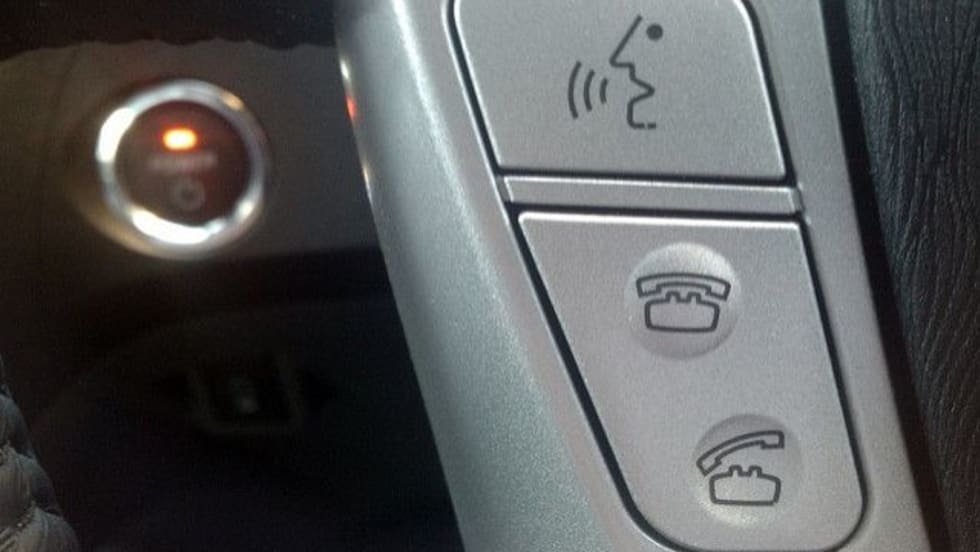
New York City has banned the use of hands-free phone devices by city fleet drivers, except for emergency responders. The city concluded that the use of hands-free devices can lead to equally dangerous levels of distraction as non-hands free devices.
Read More →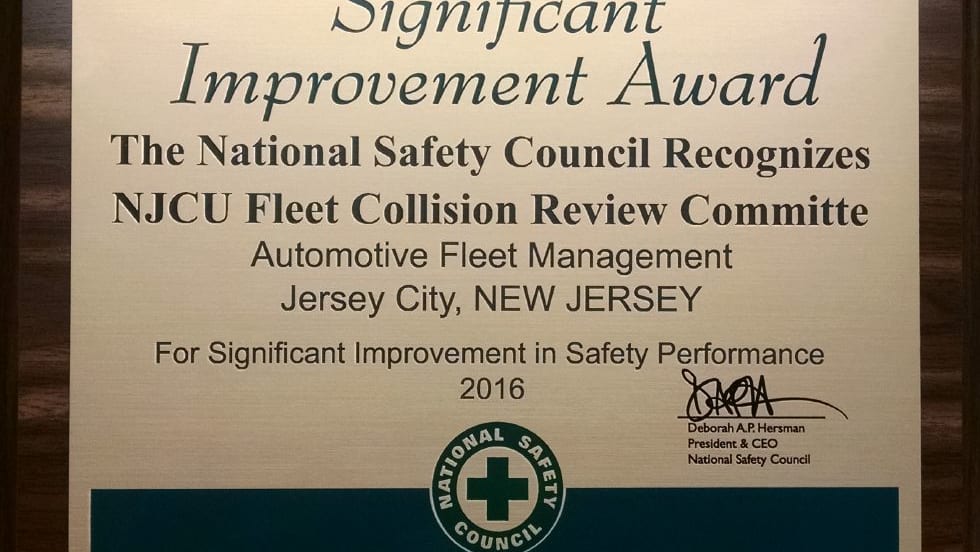
New Jersey City University (NJCU) fleet reduced its preventable collisions by 78% in calendar-year 2015 in comparison to the prior year, earning it the National Safety Council's award for significant improvement in safety performance.
Read More →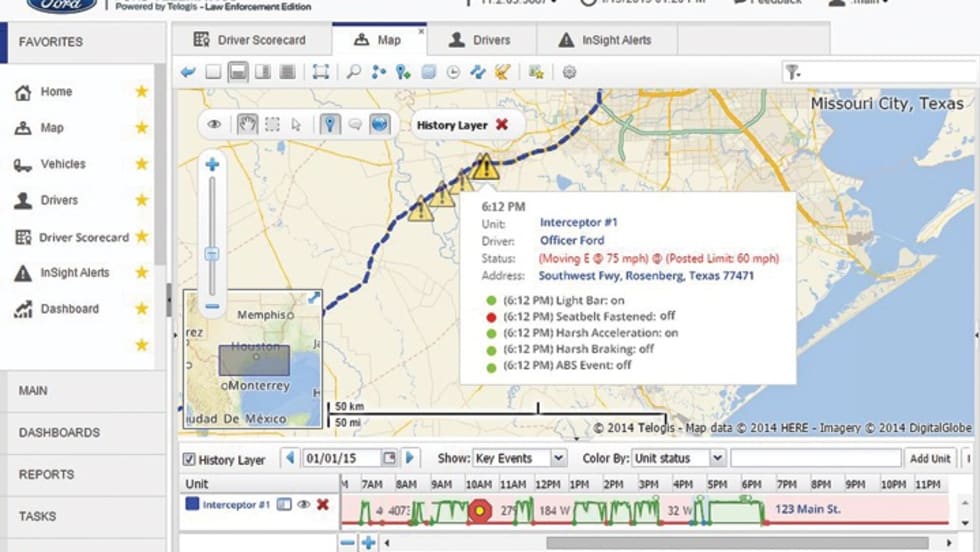
By providing real-time information about law enforcement vehicles, telematics can save officers' lives.
Read More →
From adding in-vehicle technologies to incentives in the shop, here are five ways fleets can improve driver, vehicle, and operational efficiency.
Read More →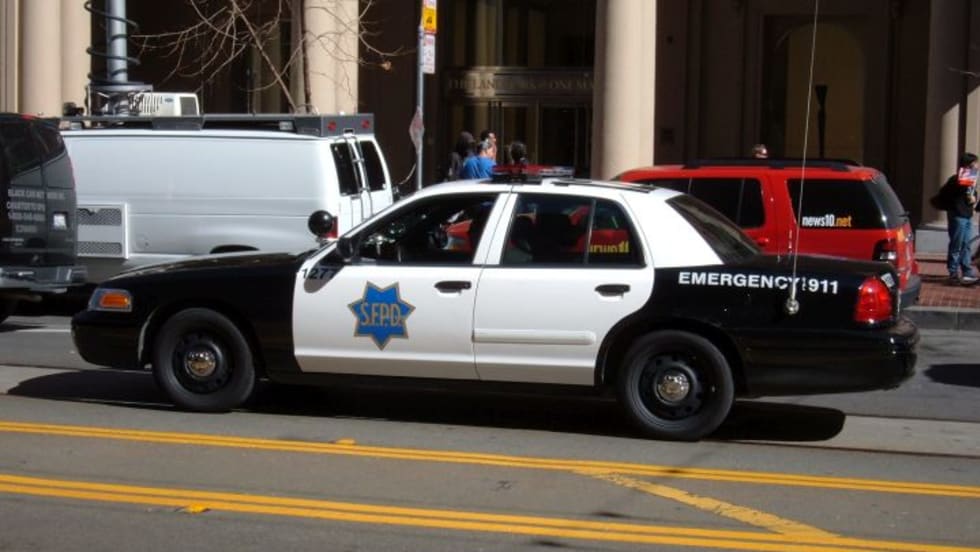
A San Francisco supervisor is drafting a plan to require telematics on every vehicle that could reach the board in June for a vote.
Read More →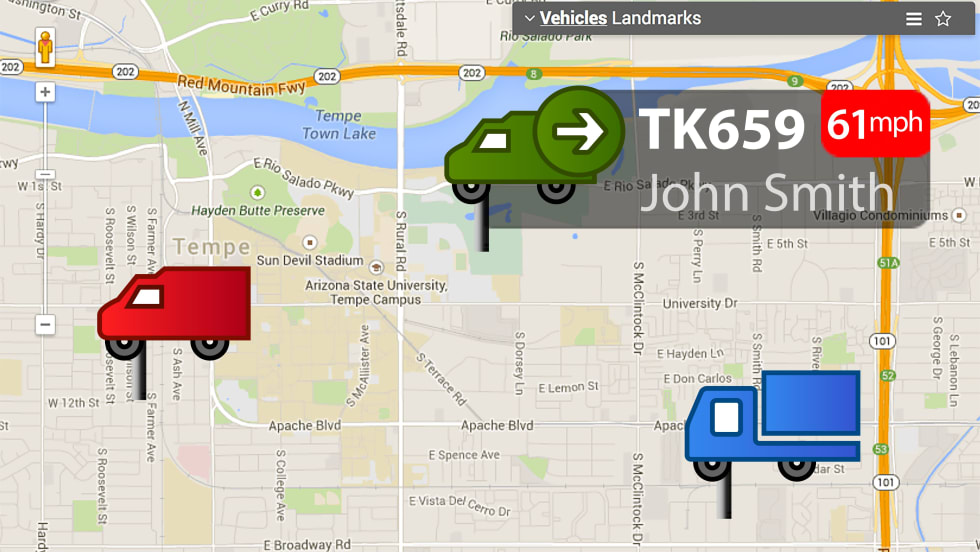
As government fleet managers are certainly aware, some unions are against the implementation of GPS fleet tracking software. Here's how you can position the technology to gain acceptance.
Read More →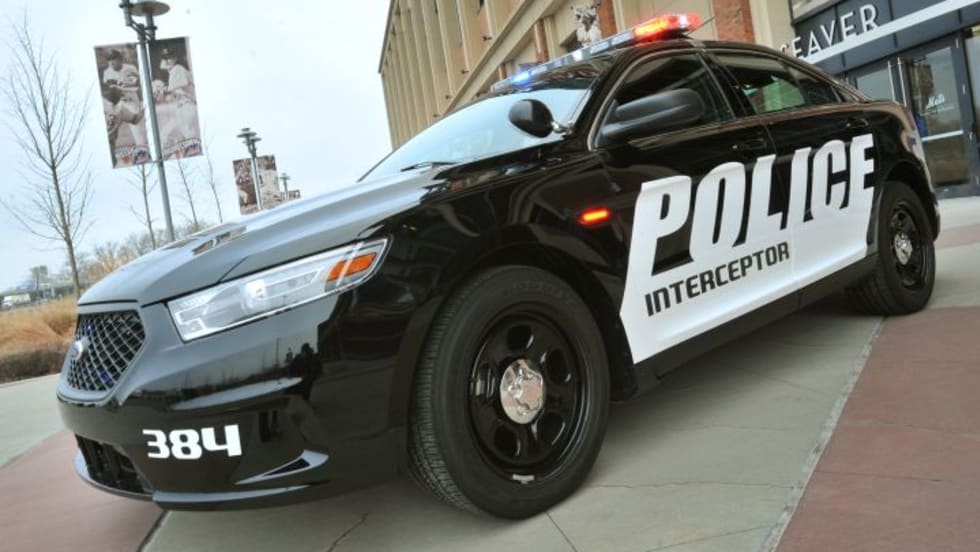
Ford will offer its surveillance mode first introduced on the 2014 Police Interceptor sedan and utility to government fleets for use on competitive vehicles and military applications.
Read More →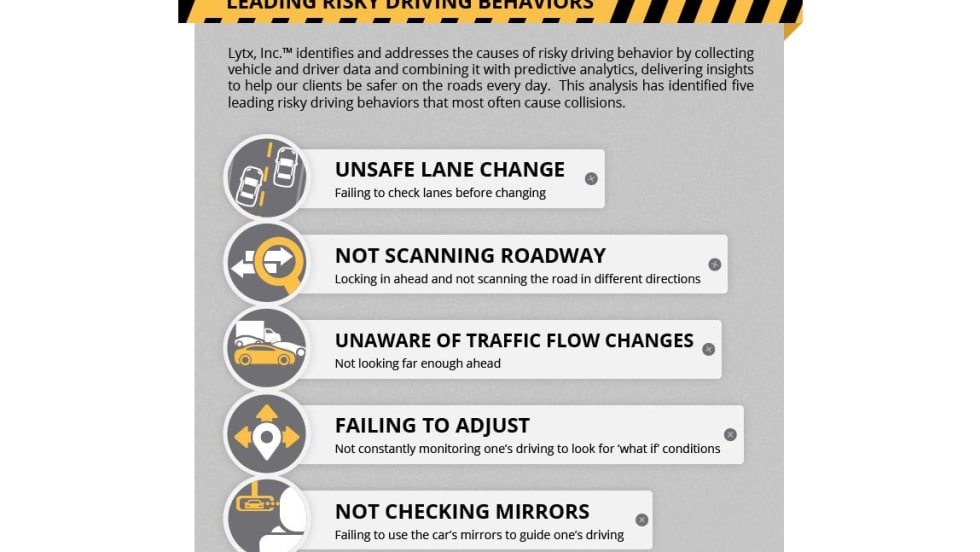
Though its monitoring of tens of thousands of drivers, DriveCam powered by Lytx has noted a trend in the most dangerous driving practices that lead to collision. Lytx’s 2014 “Driver of the Year and Coach of the Year” Award winners provide tips for drivers.
Read More →
A University of Missouri researcher has developed a mobile app that helps prevent deaths caused by heavy equipment accidents.
Read More →
Roughly half of officers don't wear seatbelts even though traffic accidents are now the leading cause of police duty deaths, according to a study by a California police training board.
Read More →