


 MENU
MENU SEARCHMENUSEARCH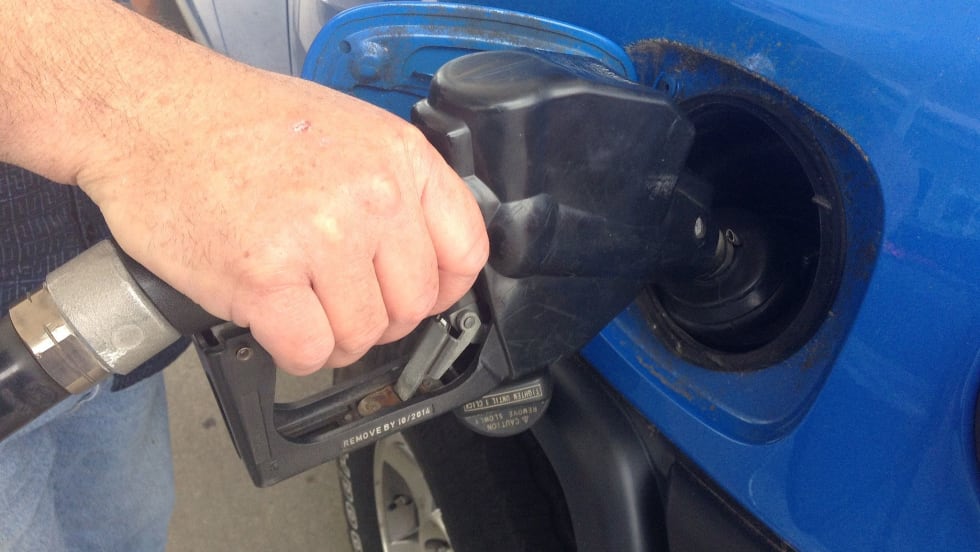
Federal workers have illegally purchased more than $2.4 million worth of gasoline since 2010 using fleet gas cards.
Read More →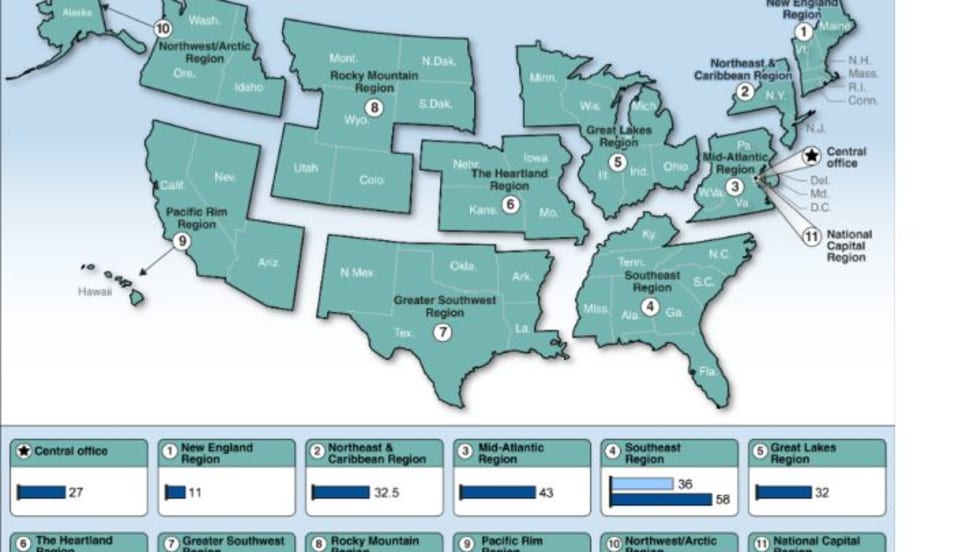
The U.S. General Services Administration (GSA) should expand its support for telematics in leased vehicles and change its fuel rate structure to charge agencies for actual fuel use rather than miles traveled, according to a report released by the U.S. Government Accountability Office (GAO).
Read More →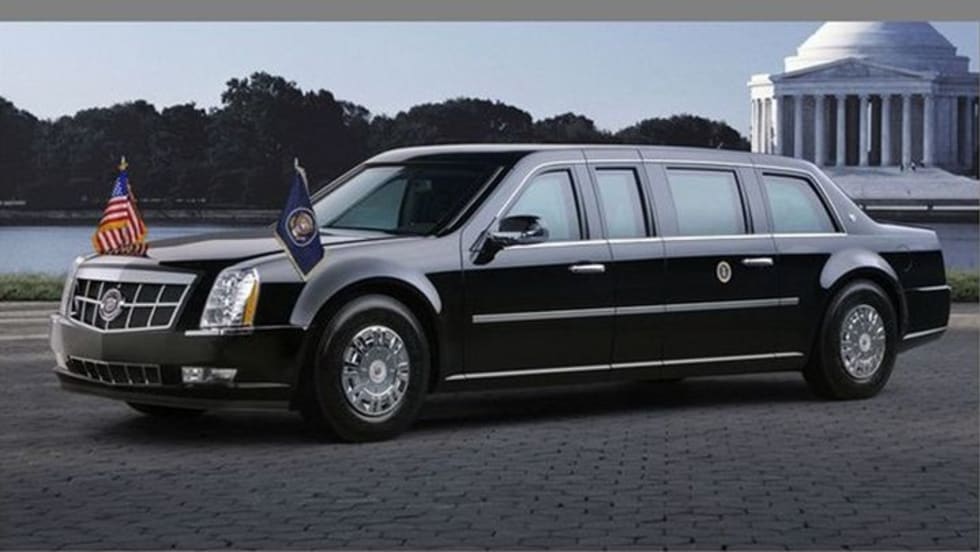
The next President of the United States is getting a new presidential limousine. The project just needs a contractor.
Read More →
The Federal Fleet Management Handbook provides best practices and strategies for meeting requirements related to reducing petroleum consumption and greenhouse gas emissions, using alt-fuel, and acquiring alt-fuel vehicles.
Read More →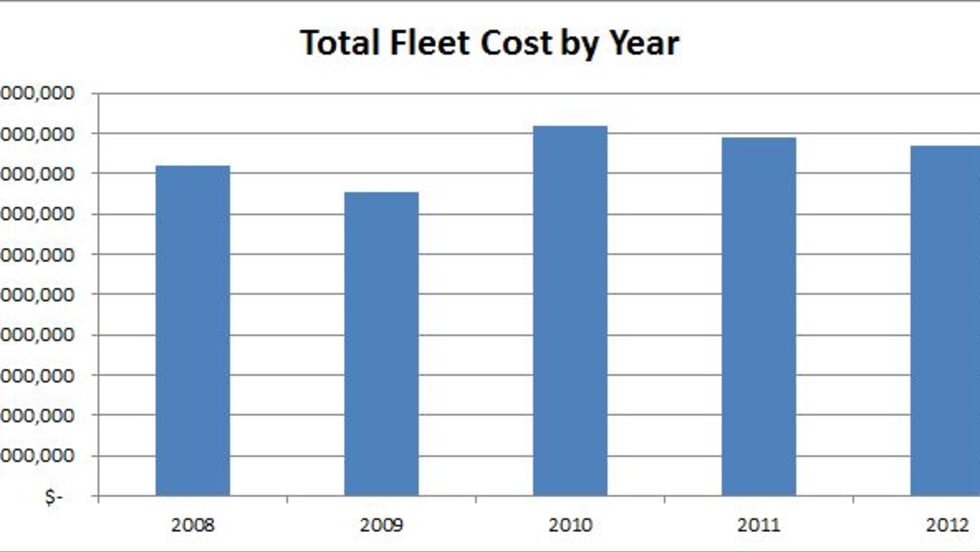
Federal agencies reduced their fleet costs by $88 million in fiscal-year 2012, a 1.98% decrease over FY-2011 levels. A 10,000-vehicle reduction helped contribute to the reduced fleet costs.
Read More →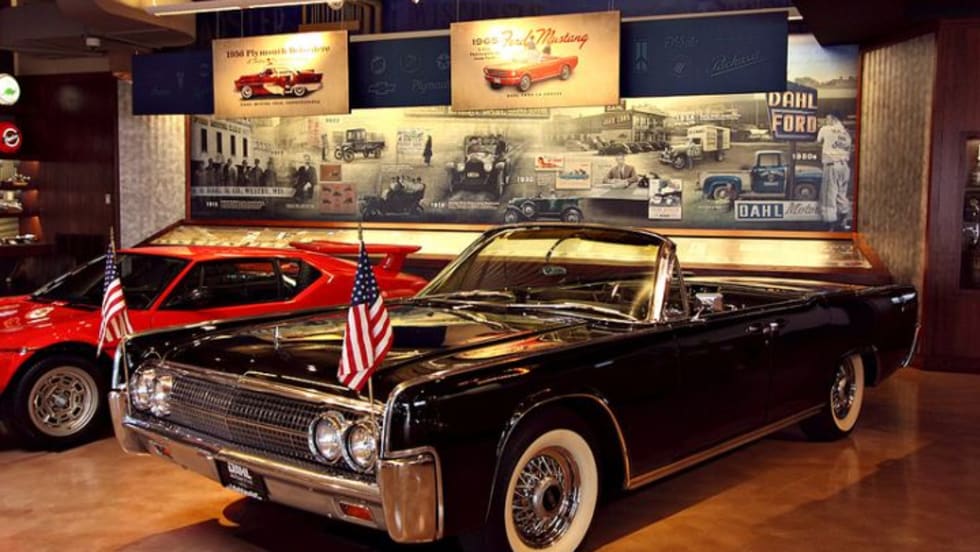
President John F. Kennedy's midnight blue Lincoln Continental limousine remained in the Presidential motorcade for another 13 years, after his assassination in Dallas on Nov. 22, 1963.
Read More →
The federal General Services Administration (GSA) is looking to incorporate car sharing government-wide in order to reduce the federal fleet size over time. This initiative includes the launch of a car-sharing pilot program in Washington, D.C.; Boston; New York City; and Chicago.
Read More →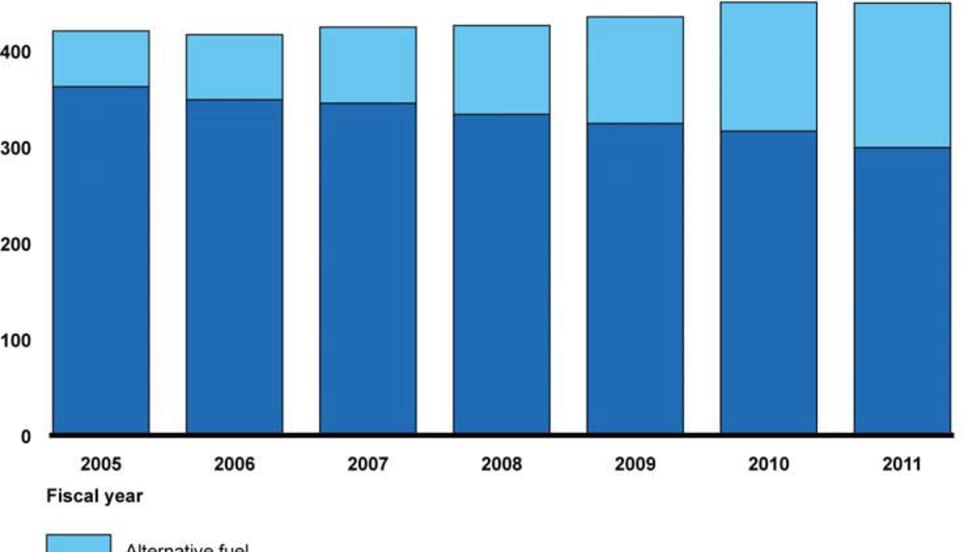
WASHINGTON - Some federal agencies had notable increases, according to a Government Accountability Office report, including the Dept. of the Interior and the Dept. of Veterans Affairs.
Read More →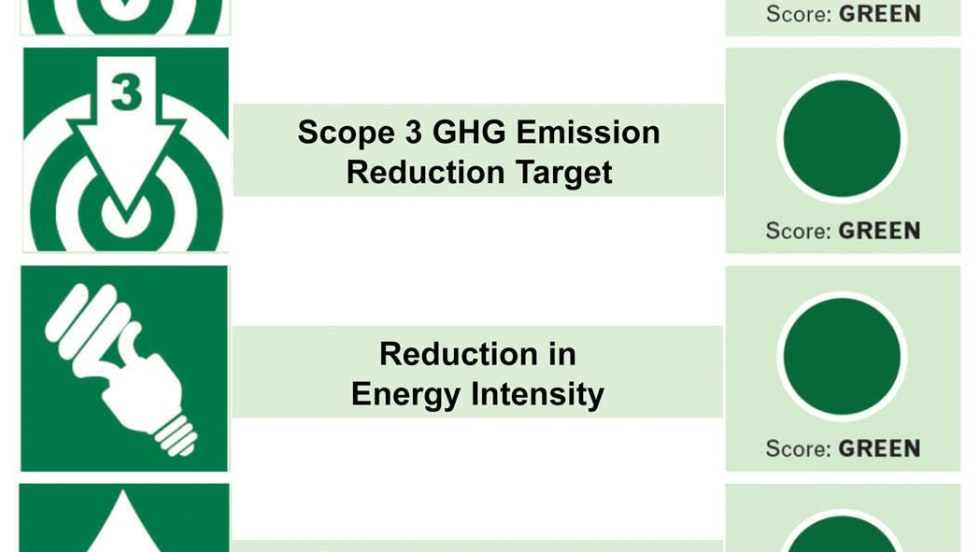
WASHINGTON – The United States Postal Service’s Sustainability and Energy Scorecard for 2011 shows that the agency has met its goals for greenhouse emission reduction, energy intensity reduction, and potable water intensity reduction, but has not met its goal to reduce fleet petroleum use.
Read More →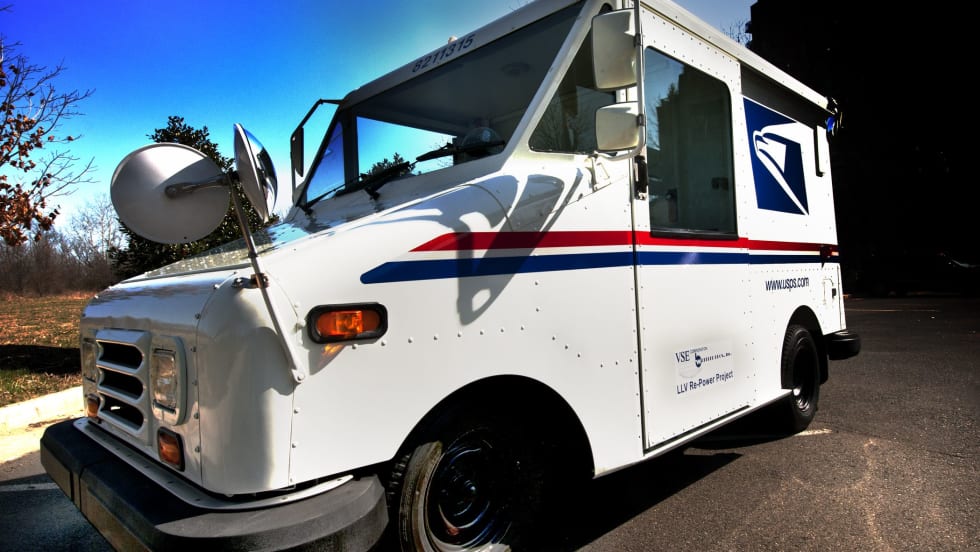
WASHINGTON – The U.S Postal Service took delivery of a prototype “Long Life Vehicle” (LLV) in order to determine whether this vehicle's powertrain type could be suitable for replacing powertrains in the existing LLVs in the USPS’ fleet.
Read More →