Red Government Fleet with star logo
MenuMENU
SearchSEARCH

Federal Fleets to Study Telematics Expansion

The U.S. General Services Administration (GSA) should expand its support for telematics in leased vehicles and change its fuel rate structure to charge agencies for actual fuel use rather than miles traveled, according to a report released by the U.S. Government Accountability Office (GAO).

by Staff
May 12, 2014
Federal Fleets to Study Telematics Expansion

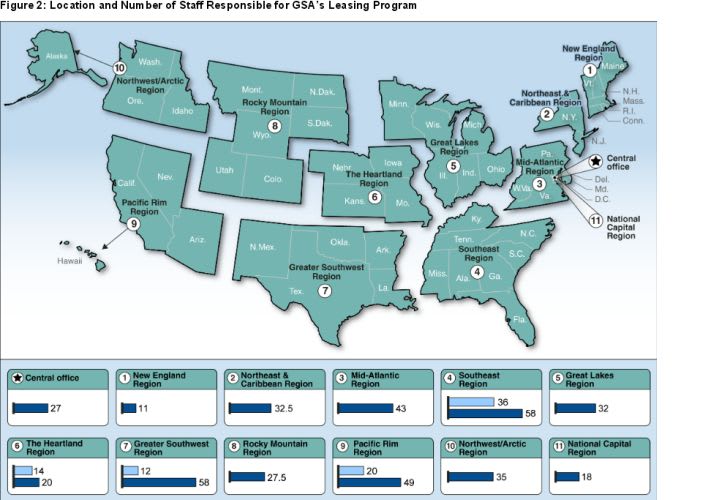
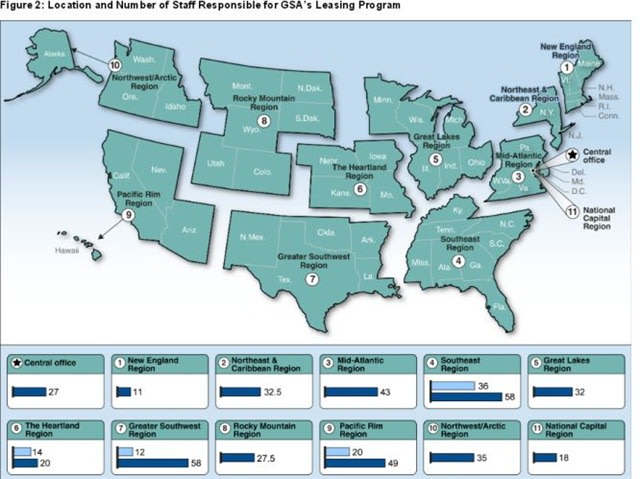
Graphic via GAO.

2 min to read


Graphic via GAO.

The U.S. General Services Administration (GSA) should expand its support for telematics in leased vehicles and change its fuel rate structure to charge agencies for actual fuel use rather than miles traveled, according to a report from the U.S. Government Accountability Office (GAO).

GSA officials have agreed to implement the report's recommendations.

GSA procures vehicles it leases at a discount, passes on savings to its customers, and provides agencies with data that can be used to eliminate wasteful spending. Federal agencies in fiscal-year 2012 spent $1.1 billion to lease vehicles through GSA. Considering this cost, GAO conducted the report in order to ensure the GSA "is operating its leasing program in a manner that encourages agencies to minimize costs associated with their leased vehicles."

GAO consulted with experts and federal fleet managers about telematics, and they said its use can facilitate cost savings by providing fleet managers with information. However, its high cost impedes widespread adoption.

Under the report's recommendation, GSA will attempt to lower the cost of telematics devices to federal agencies through its purchasing power. The agency is currently trying to secure new contracts for telematics devices to make them available by the end of fiscal-year 2014. GSA will also collect and share information about federal agencies' experiences using telematics.

The GAO found two areas where GSA's rates and terms don't encourage agencies to reduce fleet costs.

First, the GSA charges agencies for fuel with a monthly fee based on miles traveled rather than actual fuel used. By doing this, agencies are not incentivized to reduce fuel costs not reflected by miles traveled, such as costs associated with idling and speeding, according to the report. GSA should also define what's considered "excessive wear and tear" so user agencies can decide whether it is more economical to lease or own vehicles, the report noted.

Read the full report here.

More Fuel

SponsoredFebruary 1, 2026

Why One Car Wash Wasn’t Enough For This Fleet

Limited wash locations can increase travel time, fuel costs, and admin work for fleets. Here’s how one government fleet expanded access and simplified operations.

Read More →
SponsoredJanuary 19, 2026

Basic Tracking vs Next Generation Fleet Technology

Fleet software is getting more sophisticated and effective than ever, tying big data models together to transform maintenance, safety, and the value of your existing tech stack. Fleet technology upgrades are undoubtedly an investment, but updated technology can offer a much higher return. Read how upgrading your fleet technology can increase the return on your investment.

Read More →
SponsoredJanuary 19, 2026

3 New Ways Fleet Software Pays: ROI opportunities for modern fleet managers

Public fleets face constant pressure to do more with limited budgets. This eBook outlines how modern fleet software helps agencies extend asset life, reduce unplanned downtime, and improve safety by automating maintenance, using smarter video insights, and unifying fleet data. A practical look at how technology can drive measurable ROI for taxpayers.

Read More →
Ad Loading...
Yellow excavator digging in a dirt pile beside icons representing hydrogen, electric charging, renewable fuel and hybrid energy.
Fuelby News/Media ReleaseDecember 2, 2025

Planning for Future Technologies: Hydrogen and Beyond

As public agencies work to cut emissions from off-road operations, fleets are turning to a mix of renewable fuels, hybrid systems, battery-electric equipment and emerging hydrogen technology.

Read More →
A person holds a RoadFlex Visa fleet card in front of a gas pump, with the Refuel logo visible in the background, representing the new partnership expanding fueling access for government fleets.
Fuelby News/Media ReleaseOctober 14, 2025

RoadFlex Expands Fuel Network with Refuel Partnership

RoadFlex expands its fueling network for public sector fleets through a new partnership with Refuel, adding more than 250 locations across the Southeastern U.S. to improve access, savings, and efficiency.

Read More →
FuelJune 3, 2025

Rislone DEF Treatment Designed to Keep Diesel Exhaust Fluid Crystal-Free

Rislone is rolling out a super-concentrated version of its Diesel DEF Treatment that is designed to stabilize and improve diesel exhaust fluid.

Read More →
Ad Loading...
Illustration: Sequoia Blankenship
FuelMarch 5, 2025

Are Bi-Fuel Propane Autogas Vehicles Making Law Enforcement Fleets More Resilient, Cost-Effective?

How a Florida sheriff office’s choice in fuel system led to a healthier budget, increased resiliency, and decreased emissions.

Read More →
Fuelby Daryl LubinskyDecember 6, 2024

Fleets All-In On Fuel Management Tech

Fuel management can become a tricky obstacle, but smart strategies and new tech have turned it into a well-oiled machine where price prediction is art, and cost control is science.

Read More →
FuelOctober 30, 2024

Prepare Diesel Trucks for Winter with Diesel Exhaust Fluid

Understand proper DEF purchasing, handling, and storage practices in order to meet regulatory requirements and operates at peak performance.

Read More →
Ad Loading...
Propper International HLX: Hybrid Lightweight Crossover [|CREDIT|]Photo: Propper International
FuelJune 11, 2024

Diesel Exhaust Fluid (DEF) Locator

Yara, a diesel exhaust fluid (DEF) producer, offers a DEF locator website to help get the fluids fleets need.

Read More →