For many law enforcement agencies and departments, a large portion of their budget is consumed by the cost of operating and maintaining their fleet of vehicles. One sheriff’s fleet in Florida is turning to propane autogas bi-fuel systems to maximize its budget and performance.
Operating roughly 1,400 vehicles and pieces of equipment, as well as serving a large county that spans 2,200 square miles around Winter Haven, Florida, the Polk County Sheriff’s Office (PCSO) was tired of dealing with volatile gasoline prices. Leaders at PCSO began searching for ways to reduce fuel costs.
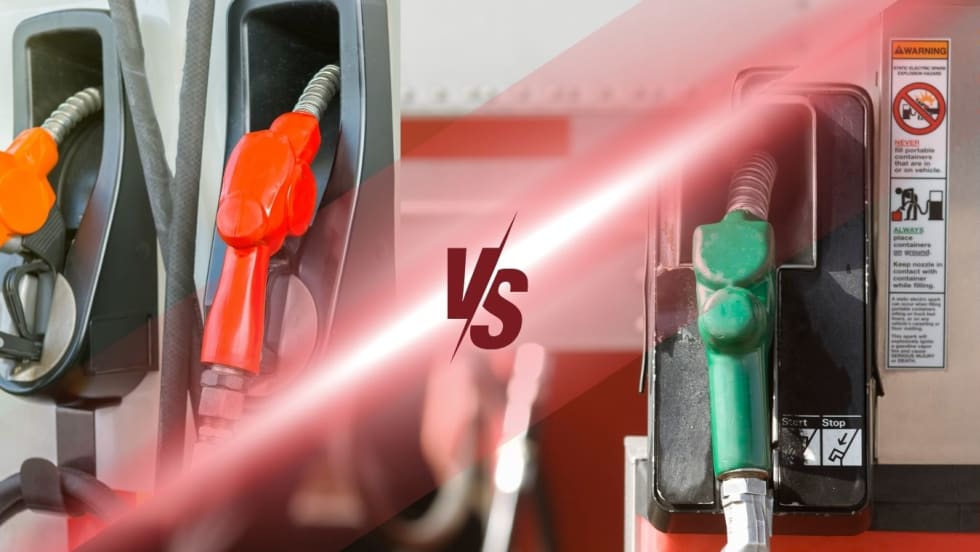
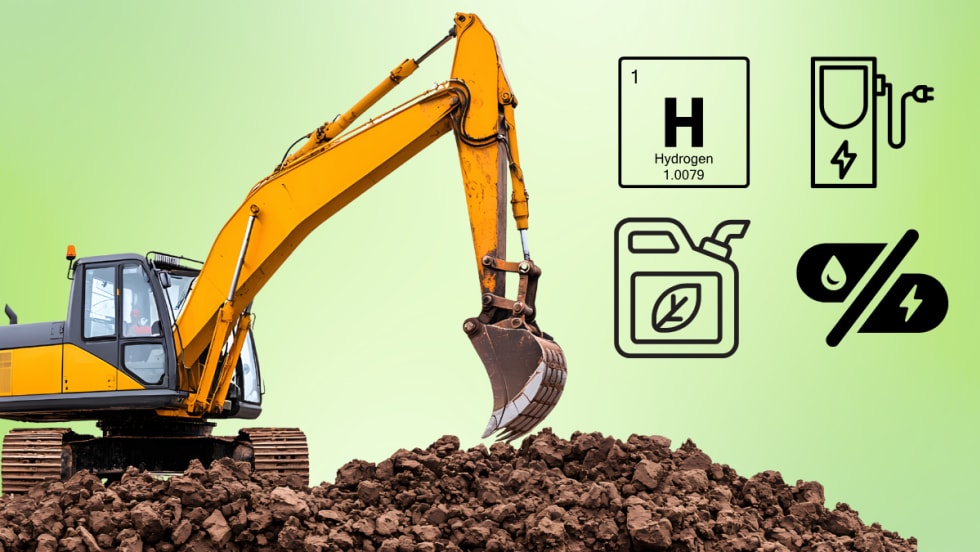
After researching a variety of alternative fuel options — including electric, CNG, and hydrogen — PCSO found propane autogas bi-fuel systems to be the best option for reliability and performance while making the most of taxpayers’ money.
Bi-fuel vehicles offer the department the ability to run primarily on propane autogas to reap the benefits of reduced fuel costs and emissions, but also have a reserve tank of gasoline for increased range and versatility. Rather than buy new vehicles, PCSO is able to convert their existing fleet of gasoline vehicles to the bi-fuel system. Over the last 15 years, the agency has converted more than 350 vehicles.
Budget Considerations: Cutting Costs
For public agencies funded by taxpayer dollars, like PCSO, it’s critical that budgets are used wisely. Every dollar sunk into fuel costs is a dollar that can’t go toward upgrading equipment, improving training, and hiring more officers. Propane autogas vehicles provide fleet owners with the lowest total cost of ownership thanks to its low infrastructure, equipment, and fuel costs, which are up to 50% less than gasoline or diesel.
In 2020, PCSO saved approximately $143,000 in fuel costs compared with gasoline. Plus, the department was able to take advantage of additional federal funding, like the $0.37 per gallon Alternative Fuel Tax Credit, for further savings that PCSO was able to invest in other department expenses.
Resiliency During Emergencies
PCSO’s fleet of bi-fuel propane autogas vehicles has also made the department more effective and resilient during emergencies, especially in the aftermath of Florida hurricanes.
Its bi-fuel vehicles have a 20-gallon propane tank and a 20-gallon gasoline tank, so vehicles have a range of up to 600 miles. Officers don’t have to worry about running out of fuel if access to one energy source isn’t immediately available.
Most gasoline pumps require electricity to operate, so if an emergency or extreme weather event knocks out the local power grid, refueling the gas tank may be a challenge. However, propane autogas is a portable energy source and does not require electricity to pump, allowing PCSO vehicles to stay on the road even during times of disruption. PCSO is able to work with their propane supplier to have an autogas bobtail parked wherever it’s needed for quick refueling.
Cleaner Air in the Community
Although cost savings were the primary draw to using propane autogas, PCSO also saw propane autogas as an opportunity to further their responsibility to serve and protect the community by reducing emissions. In 2020, PCSO reduced their fleet’s CO2 emissions by an estimated 2,038 metric tons. With the ability to reduce emissions while cutting costs, PCSO says they’re proud to save taxpayers money while helping improve the air quality in their local community.
Energy Serving Those That Serve
Propane autogas has made a big impact over the years with the Polk County Sheriff’s Office, enabling the department to not only rein in their fleet’s fuel and maintenance costs, but to improve reliability and resiliency while on the job. As law enforcement fleets across the U.S. continue to look for ways to do more with less, the track record of propane autogas continues to speak for itself.


![Propper International HLX: Hybrid Lightweight Crossover [|CREDIT|]Photo: Propper International](https://assets.bobitstudios.com/image/upload/f_auto,q_auto,dpr_auto,c_fill,w_980,h_552/pm.propper-aug19hp_1759864252351_m5ncl6.jpg)