Red Government Fleet with star logo
MenuMENU
SearchSEARCH

Prepare Diesel Trucks for Winter with Diesel Exhaust Fluid

Understand proper DEF purchasing, handling, and storage practices in order to meet regulatory requirements and operates at peak performance.

by Bill O’Ryan
October 30, 2024
Prepare Diesel Trucks for Winter with Diesel Exhaust Fluid

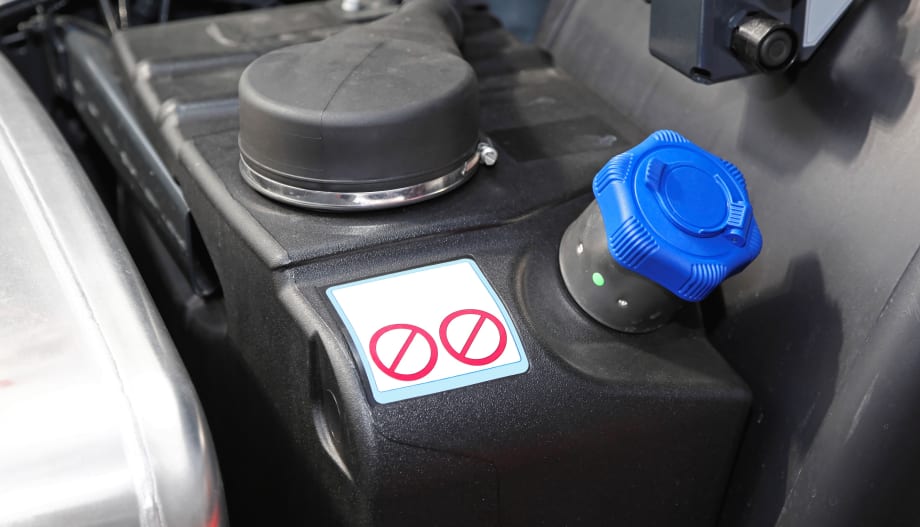
The quality of the DEF used in a vehicle is as vital as the quality of the engine oils or fuels.

Photo: American Petroleum Institute

3 min to read


Maintaining optimal performance and ensuring compliance with emissions standards go hand in hand for operators of diesel trucks. Diesel Exhaust Fluid (DEF) is a critical component in achieving both. Often overlooked, DEF plays a pivotal role in reducing harmful emissions from diesel-powered trucks while preserving engine efficiency. 

To maximize the benefits of DEF, it’s essential to understand proper purchasing, handling, and storage practices ensuring that your fleet meets regulatory requirements and operates at peak performance.
DEF allows vehicle manufacturers to enhance emissions control while preserving diesel engine performance and efficiency. 

DEF is a blend of technically pure urea and purified water, and it requires proper handling and storage to maintain its quality. In addition, DEF is a vital part of vehicle emissions systems, and those systems should not be altered. 

The quality of the DEF used in a vehicle is as vital as the quality of the engine oils or fuels. The America Petroleum Institute (API) has established guidelines for drivers purchasing and storing DEF.

For the Fleets: Purchasing DEF

When buying DEF, whether at a truck stop or retailer, several factors ensure you get a high-quality product:

  1. Truck Stop Purchase:

    1. Ensure the DEF brand and manufacturer are identified. Regulations in many states
      require this information on receipts, but it's always best to verify.

  2. Retailer Purchase:

    1. Buy DEF stored away from direct sunlight in a cool, dry place.

    2. Inspect the packaging for signs of contamination or damage. Avoid purchasing
      compromised products.

    3. If planning to use API-licensed DEF, look for the API certification mark on the bottle.

    4. Check the expiration date to ensure freshness and effectiveness. If no date is visible,
      request the most recently delivered DEF products.

Storing DEF: What to Know

Proper storage of DEF is crucial to maintain its quality:

  • In-Vehicle Storage: Avoid storing DEF in a truck if the area is hotter than the recommended storage temperatures. DEF stored at 86 degrees or higher will last about six months. Sunlight exposure also reduces its shelf life.

  • Shop Storage: Store DEF in a cool, shaded area. Properly stored DEF can last 12 months or longer. Use the oldest DEF first to avoid expired products.

Pouring DEF

When filling DEF in your truck:

  • Use dedicated equipment for dispensing. Avoid using funnels, pitchers, or hoses used for other fluids.

  • Clean dispensing equipment with distilled or de-ionized water, followed by a DEF rinse. Do not use tap water for cleaning.

DEF Tips for Cold Weather

Handling and storing DEF can be challenging in wintertime for drivers on the road and those storing it in a garage or shop. Some things to keep in mind about DEF use and storage in winter include the following:

  • If DEF freezes in the vehicle, do not add additives to the tank to help it melt. DEF needs to remain pure for it to work correctly.

  • In cold weather, the vehicle will generally start without an issue, and the DEF tank has a heating element that can quickly thaw the DEF. Don’t worry; on-spec DEF is specifically formulated to allow the fluid to thaw at the proper concentration.

Like water, DEF will expand up to seven percent when frozen and can damage a storage tank if it is full or nearly full when it freezes. Keep the tank less than full to eliminate this risk.


Related: Diesel Exhaust Fluid (DEF) Locator

About the author: Bill O’Ryan is the senior manager of EOLCS/DEF at the American Petroleum Institute (API). API’s recently launched DEF Consumer Guidance resource page offers guidance to drivers, fleet managers and others to ensure optimal performance and compliance with emissions standards. A downloadable Do’s and Don’ts Guide for DEF storage is also available as a resource for drivers and shops.

More Fuel

SponsoredFebruary 1, 2026

Why One Car Wash Wasn’t Enough For This Fleet

Limited wash locations can increase travel time, fuel costs, and admin work for fleets. Here’s how one government fleet expanded access and simplified operations.

Read More →
SponsoredJanuary 19, 2026

Basic Tracking vs Next Generation Fleet Technology

Fleet software is getting more sophisticated and effective than ever, tying big data models together to transform maintenance, safety, and the value of your existing tech stack. Fleet technology upgrades are undoubtedly an investment, but updated technology can offer a much higher return. Read how upgrading your fleet technology can increase the return on your investment.

Read More →
SponsoredJanuary 19, 2026

3 New Ways Fleet Software Pays: ROI opportunities for modern fleet managers

Public fleets face constant pressure to do more with limited budgets. This eBook outlines how modern fleet software helps agencies extend asset life, reduce unplanned downtime, and improve safety by automating maintenance, using smarter video insights, and unifying fleet data. A practical look at how technology can drive measurable ROI for taxpayers.

Read More →
Ad Loading...
Yellow excavator digging in a dirt pile beside icons representing hydrogen, electric charging, renewable fuel and hybrid energy.
Fuelby News/Media ReleaseDecember 2, 2025

Planning for Future Technologies: Hydrogen and Beyond

As public agencies work to cut emissions from off-road operations, fleets are turning to a mix of renewable fuels, hybrid systems, battery-electric equipment and emerging hydrogen technology.

Read More →
A person holds a RoadFlex Visa fleet card in front of a gas pump, with the Refuel logo visible in the background, representing the new partnership expanding fueling access for government fleets.
Fuelby News/Media ReleaseOctober 14, 2025

RoadFlex Expands Fuel Network with Refuel Partnership

RoadFlex expands its fueling network for public sector fleets through a new partnership with Refuel, adding more than 250 locations across the Southeastern U.S. to improve access, savings, and efficiency.

Read More →
FuelJune 3, 2025

Rislone DEF Treatment Designed to Keep Diesel Exhaust Fluid Crystal-Free

Rislone is rolling out a super-concentrated version of its Diesel DEF Treatment that is designed to stabilize and improve diesel exhaust fluid.

Read More →
Ad Loading...
Illustration: Sequoia Blankenship
FuelMarch 5, 2025

Are Bi-Fuel Propane Autogas Vehicles Making Law Enforcement Fleets More Resilient, Cost-Effective?

How a Florida sheriff office’s choice in fuel system led to a healthier budget, increased resiliency, and decreased emissions.

Read More →
Fuelby Daryl LubinskyDecember 6, 2024

Fleets All-In On Fuel Management Tech

Fuel management can become a tricky obstacle, but smart strategies and new tech have turned it into a well-oiled machine where price prediction is art, and cost control is science.

Read More →
Propper International HLX: Hybrid Lightweight Crossover [|CREDIT|]Photo: Propper International
FuelJune 11, 2024

Diesel Exhaust Fluid (DEF) Locator

Yara, a diesel exhaust fluid (DEF) producer, offers a DEF locator website to help get the fluids fleets need.

Read More →
Ad Loading...
Fuelby Bob StantonApril 8, 2024

Gas vs. Diesel: The Bad Investment Only Fleet Managers Know About

A major point of debate in fleet management is using diesel vs. gas cars and trucks. Choosing to purchase gasoline engines instead of diesel ones for medium-duty trucks may be an unpopular decision, but is it the right one?

Read More →