


 MENU
MENU SEARCHMENUSEARCH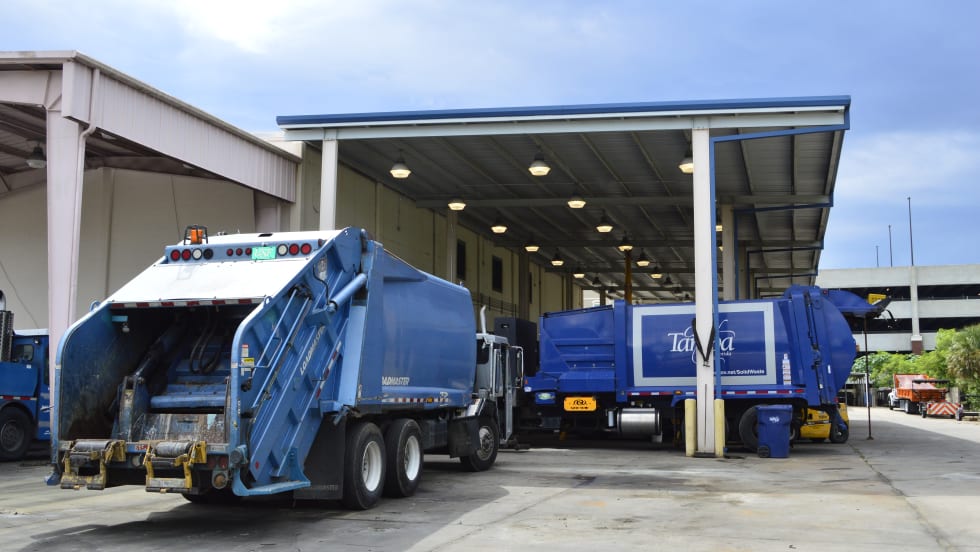
The City of Tampa (Fla.) signed a $1.2 million contract with a routing software provider in 2013 for what it believed was an off-the-shelf software. Instead, several modifications were needed, leading to additional time and expense.
Read More →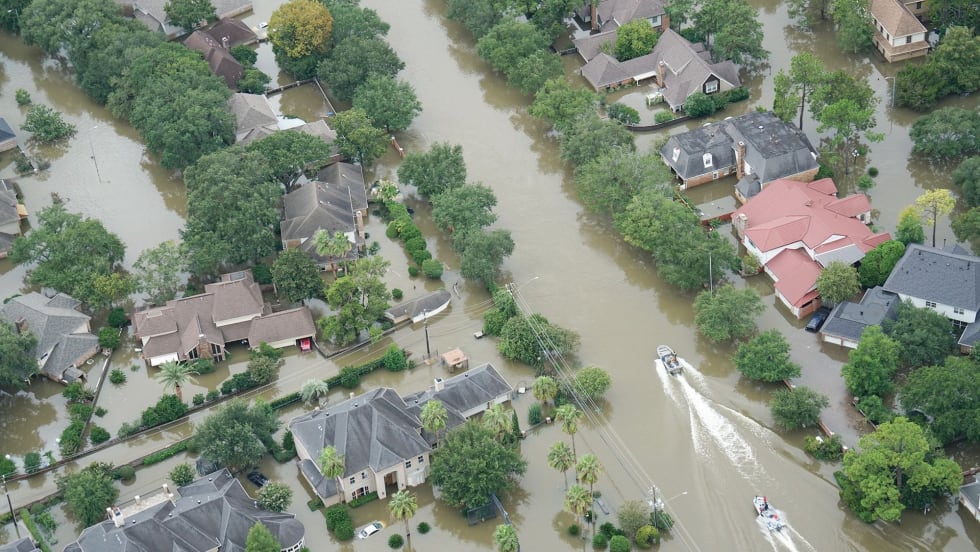
Hurricanes Harvey and Irma hit the U.S. in late August and early September, wreaking havoc in Texas and Florida. Here’s the fleet impact from public agencies caught in the hurricanes’ paths.
Read More →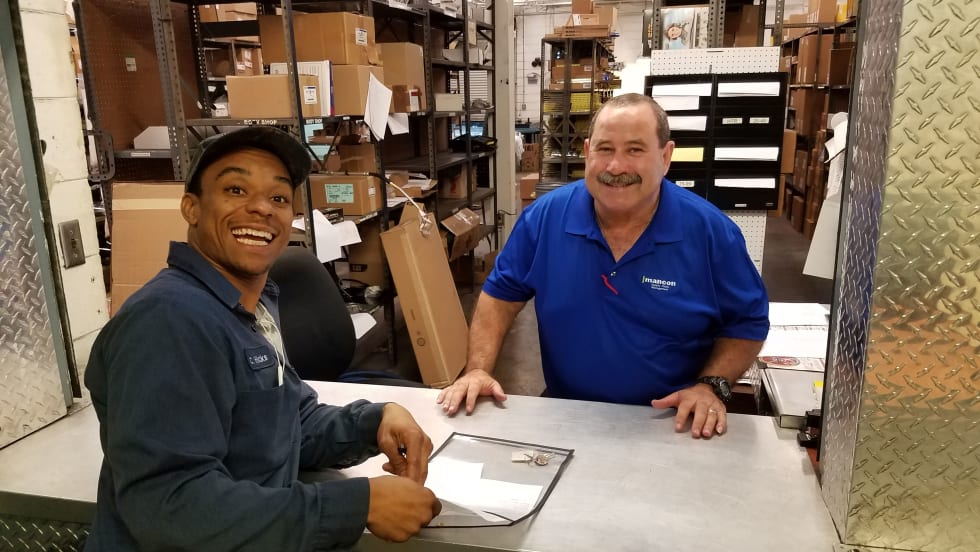
Since the City of Tampa, Fla., began outsourcing its parts room in January, the fleet has been able to improve technician productivity, improve parts availability, and streamline its procurement processes.
Read More →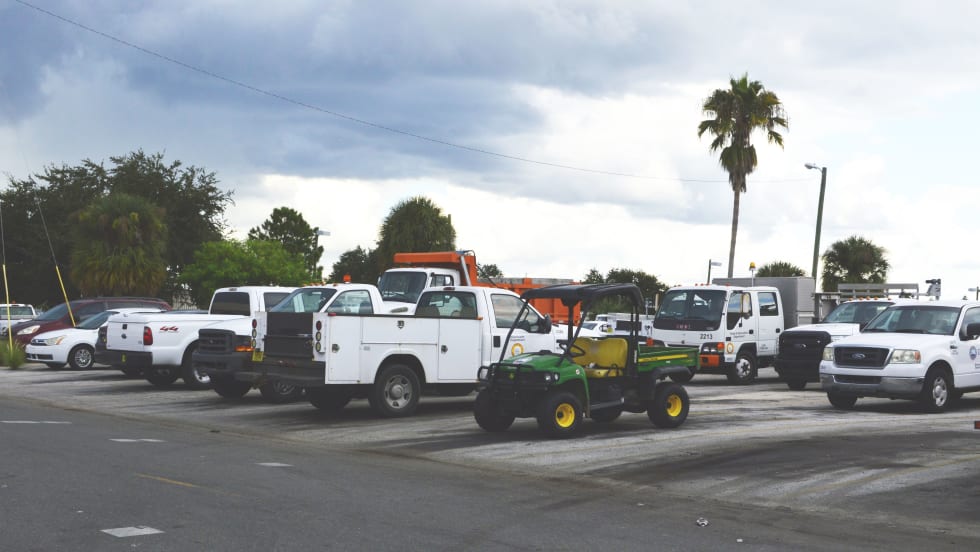
The City of Tampa, Fla., responded to a local news station’s question about why 27% of its 2,500 vehicles are underutilized. City staffers said only a small portion of these were legitimately underutilized.
Read More →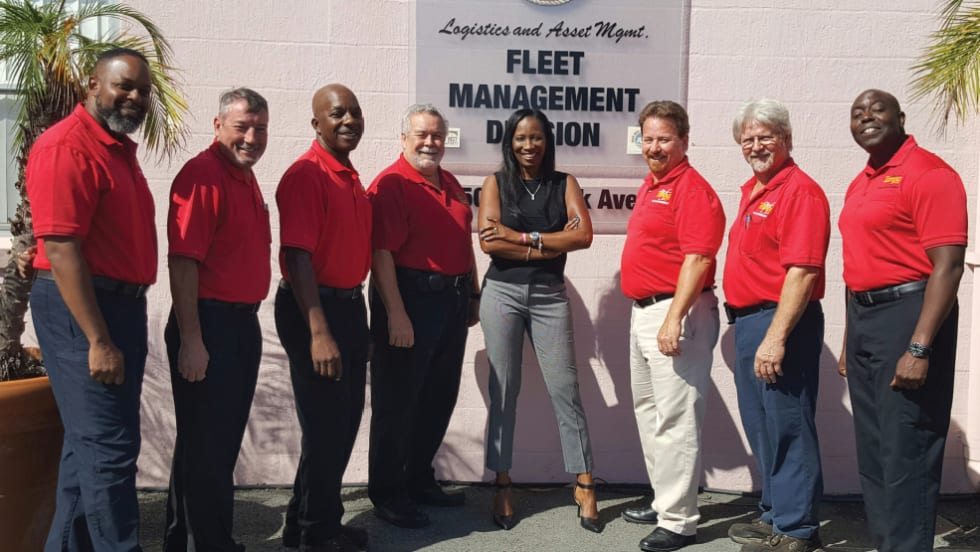
The City of Tampa, Fla., fleet has hit its stride, with a staff consisting of a dream team, support from department heads, and an interim fleet manager keen on networking with neighboring fleets.
Read More →
The City of Tampa, Fla., has a fleet of 3,500 vehicles representing 27 user departments. Its interim fleet manager, Connie White-Arnold, provides a tour of its main fleet facility. Read about the fleet here.
Read More →
A staff shortage that resulted in rising overtime costs has led the City of Tampa's fleet management division to adjust the way it handles repair work, the city's interim fleet manager told Government Fleet.
Read More →
On Feb. 4, the Tampa Bay Clean Cities Coalition (TBCCC) held Tampa Bay’s first ever propane fuel event. It was hosted by the City of Tampa fleet maintenance facility.
Read More →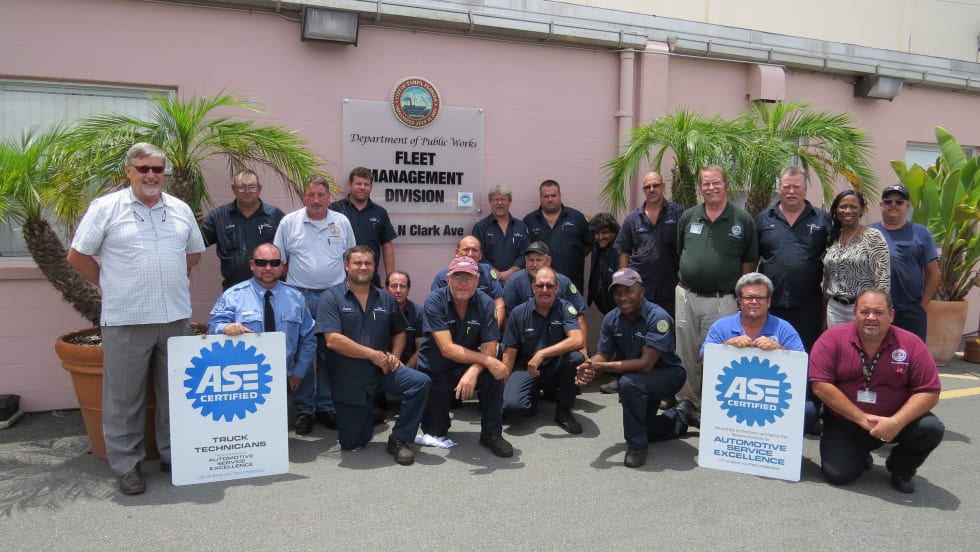
The City of Tampa, Fla., Fleet Maintenance Division has earned Blue Seal of Excellence recognition as prescribed by the National Institute for Automotive Service Excellence (ASE). Of the fleet's technical staff, 90% have obtained ASE certification.
Read More →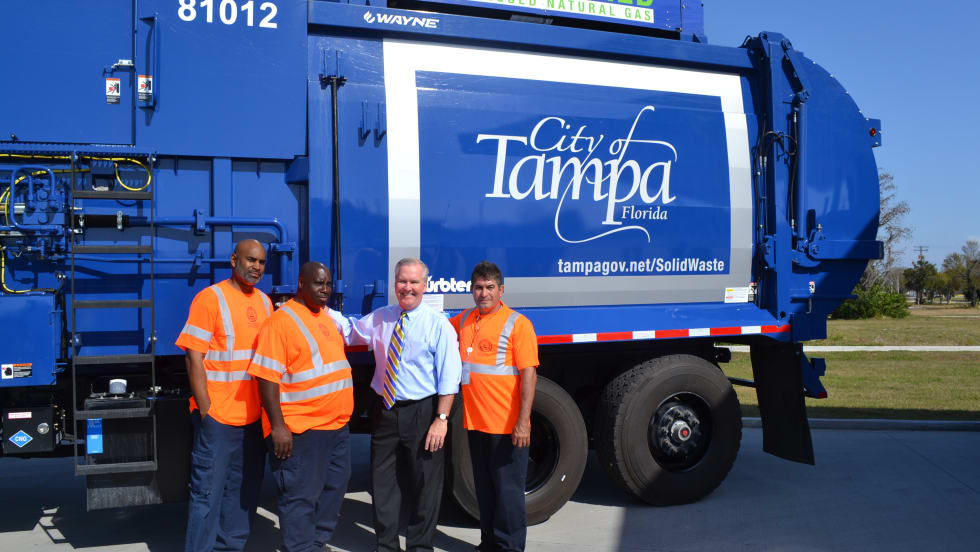
The high cost of gasoline and diesel and a desire to reduce vehicle emissions have led many government agencies to purchase vehicles that run on compressed natural gas (CNG). From fleets just starting their investment in the alternative fuel to long-time users looking to expand their CNG fleet, these agencies explain how and why natural gas works for them.
Read More →