Red Government Fleet with star logo
MenuMENU
SearchSEARCH

6 Questions About the 2015 Ford F-150

The truck's body is made of high-strength, military-­grade aluminum alloy, which Ford says will not only reduce weight but also improve payload, towing, and fuel efficiency.

Thi Dao
Thi DaoFormer Executive Editor
Read Thi's Posts
March 28, 2014
6 Questions About the 2015 Ford F-150

Photo courtesy of Ford


2 min to read


Photo courtesy of Ford


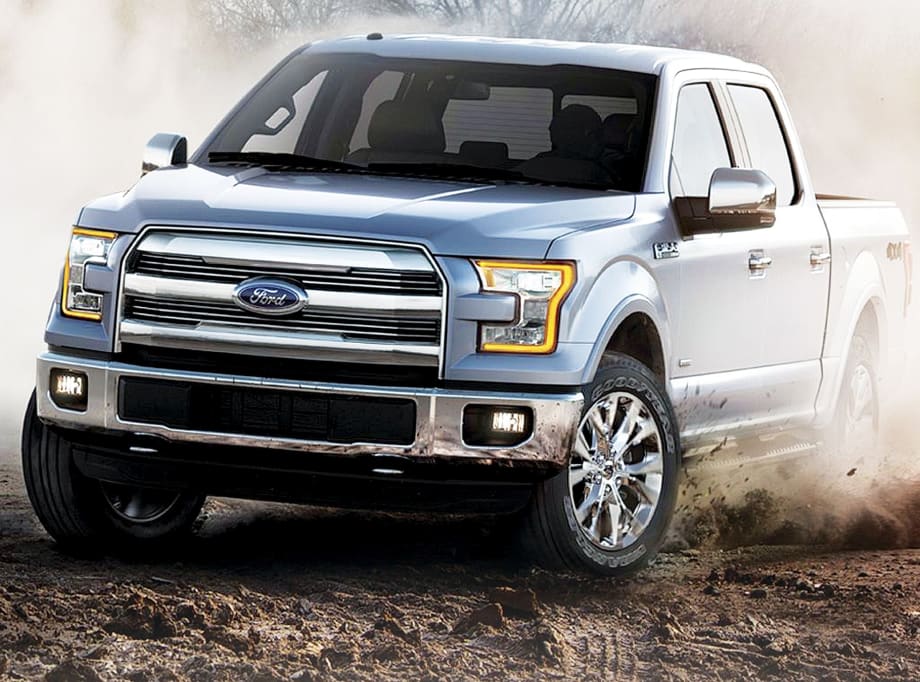
In January, Ford announced its 2015 F-150 truck would have an aluminum-alloy body, a change the company said would reduce the vehicle’s weight by 700 lbs., or 15%.

The truck features a frame made with more high-strength steel than before. The truck's body is made of high-strength, military-­grade aluminum alloy, which Ford says will not only reduce weight but also improve payload, towing, and fuel efficiency.

The 2015 F-150 will be on sale late this year. What should fleet managers know about the vehicle and its new aluminum body? Government Fleet asked Mike Levine, Ford truck communications manager, questions we had (or have heard) about the truck.

1. What will be the cost difference for the aluminum-body truck? While high-strength aluminum alloy is more expensive than steel on a pound-for-pound basis, we’ve developed manufacturing efficiencies to reduce this cost as much as possible. We will discuss pricing closer to launch.

2. What is the expected MPG? The all-new Ford F-150 will be our most fuel-efficient yet. We still need to complete the fuel efficiency certification process and will discuss details closer to launch.

3. Does weighing 700 lbs. less affect the truck’s capability? Yes, it will enhance capability. Light weighting and improved capability aren’t mutually exclusive. As we remove weight from the F-150, we’re able to give our customers additional towing and payload capability because the truck can perform additional work with less effort, a key benefit of reducing weight.

4. How will aluminum affect body repair? Ford has used aluminum in body parts for years, such as in the hood of the 1997-2014 F-150. In many cases, the all-new F-150 may be easier to repair due to its innovative modular design. The majority of collision repairs can be completed by most body shops today, such as bumpers, grilles, mirrors, dings, and dents. Major collision repairs should be performed by aluminum-capable Ford dealers or independent body shops.  

5. Will customers have to worry about corrosion? The high strength, military-grade, aluminum alloy in the new F-150 does not produce red rust like steel. We have gone to great lengths to develop coatings that will inhibit corrosion.

6. How is aluminum more “dent resistant” than steel in the previous F-150? We’ve improved dent resistance over the previous model in two ways: The high-strength aluminum alloy we use in the body is thicker than the steel we use in the previous model, and we have engineered reinforcement panels beneath the aluminum to help withstand impacts.

Subscribe to Our Newsletter

More Articles

ProcurementFebruary 11, 2026

Spartan to Deliver Fire Apparatus in 180 Days

Spartan Emergency Response will delivery fire apparatus within 180 days under its new 180 Truck Program that was introduced at the Fire Department Instructors Conference in Indianapolis.

Read More →
Weekly cheat sheet reset button.
Operationsby Staff WriterFebruary 6, 2026

Is Fleet in a Reset Mode? | GovCast Shorts

On the go and want a snapshot of our top industry news? Check out Government Fleet's new video short of what's been happening.

Read More →
person at laptop taking survey.
Operationsby Staff WriterFebruary 6, 2026

Are You Paid Enough? Fleet Salary Study Open

Work Truck, Automotive Fleet, and Government Fleet have partnered to conduct a salary survey to determine the average salary for a fleet management position in commercial and public sector fleets.

Read More →
SponsoredFebruary 6, 2026

Hybrids: Electrification Without the Challenges

Hybrids bridge the gap between ICE vehicles and EVs, making them a smart choice for fleets that want to reduce emissions but aren’t ready to fully electrify. Hybrids, which are powered by internal combustion engines and electric motors, capture the benefits of electric power without the barriers many organizations find challenging.

Read More →
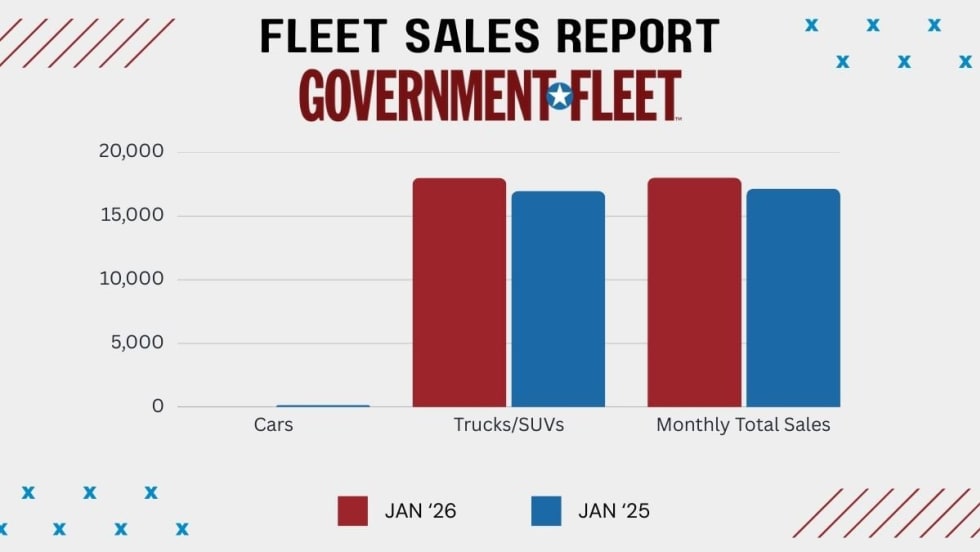
A chart showing January 2026 vehicle sales.
Vehicle Researchby Nichole OsinskiFebruary 4, 2026

Government Fleet Vehicle Sales Start the Year Above 2025 Pace

Government fleet vehicle sales came in at 18,028 in January, up 5.1% from 17,148 in January 2025.

Read More →
Ad Loading...
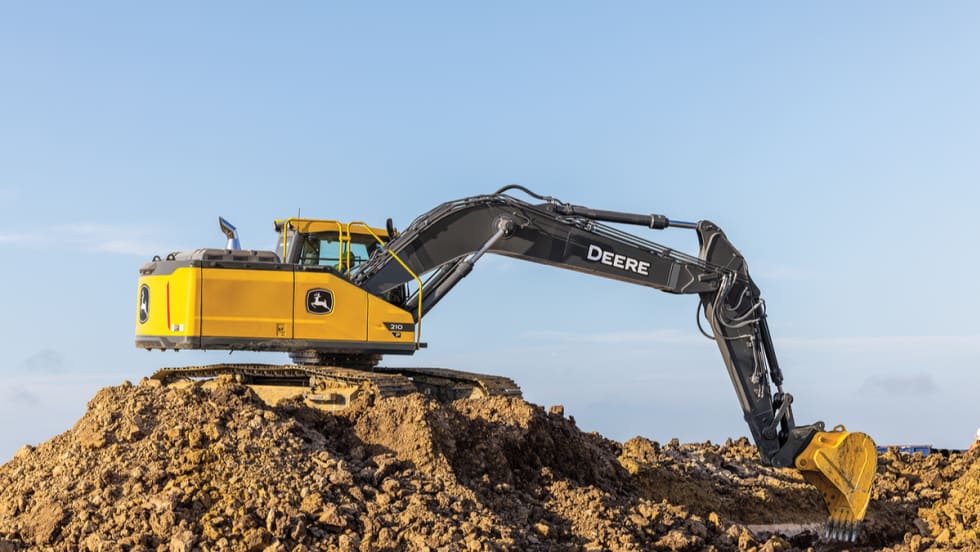
John Deere P-Tier midsize excavator positioned on a dirt mound with the boom and bucket extended at a jobsite.
Equipmentby News/Media ReleaseFebruary 4, 2026

John Deere Enters a New Era of Excavators

John Deere’s new P-Tier midsize excavators focus on operator comfort, safety, and jobsite performance, with updated cab design and integrated technology for heavy-duty applications.

Read More →
Policeby Jeanny RoaFebruary 4, 2026

Addressing Fueling Failures to Reduce Operational Risks

Working to eliminate errors and challenges and increase reliability during fueling, the Madison County Sheriff’s Office has implemented RoadFlex for its 37-vehicle patrol fleet.

Read More →
tech-corner-diagnostics
Maintenanceby Mike ClearyFebruary 4, 2026

Tech Corner: Strategies for Diagnostic Success

It takes years to become a great diagnostic technician. Here's what separates the techs who guess from the techs who know.

Read More →
Ad Loading...
Graphic for Government Fleet’s January 2026 Recall Roundup showing a black police vehicle and bold text reading “RECALL ROUNDUP” with a red tag labeled “January 2026” on a concrete background.
Vehicle Researchby News/Media ReleaseFebruary 2, 2026

January 2026 Recall Roundup: BMW, Lucid, & More

Are any of the vehicles in your fleet recalled? Check out the latest recalls of popular government fleet vehicles and equipment.

Read More →