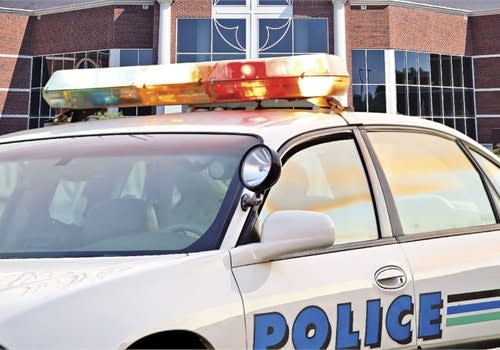
A 2012 executive order mandates that the State of California must purchase zero-emission light-duty vehicles for its fleet. Specifically, it states that by 2020, 25% of fleet purchases of light-duty vehicles must be zero-emission, except for public safety vehicles. A 2016 update bumped the goal to 50% by 2025.
The state has a decentralized fleet of about 50,000 vehicles used by dozens of agencies, and approximately 10,000 of these fall under the rule. Under the direction of the Department of General Services (DGS), which is the control and policy-setting agency for the state fleet and which also approves purchases of every single vehicle statewide, California has not only achieved its 2020 goal, but exceeded it. In fiscal-year 2019, it had a 30% compliance rate, and in fiscal-year 2020, it looks like the fleet will meet a 34% compliance rate, said Evan Speer, chief of the DGS’s Office of Fleet and Asset Management.
Here’s how the state got there.
1. Account for Infrastructure Costs
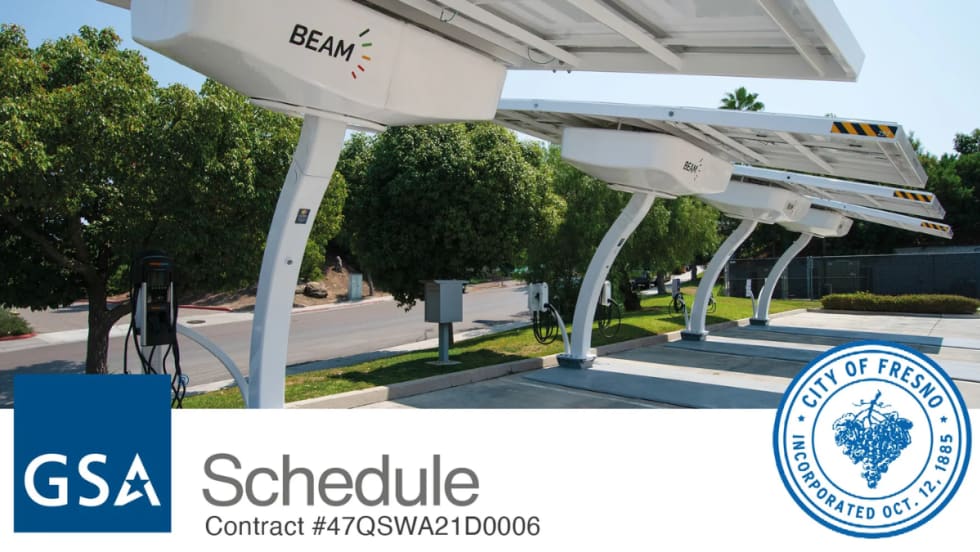
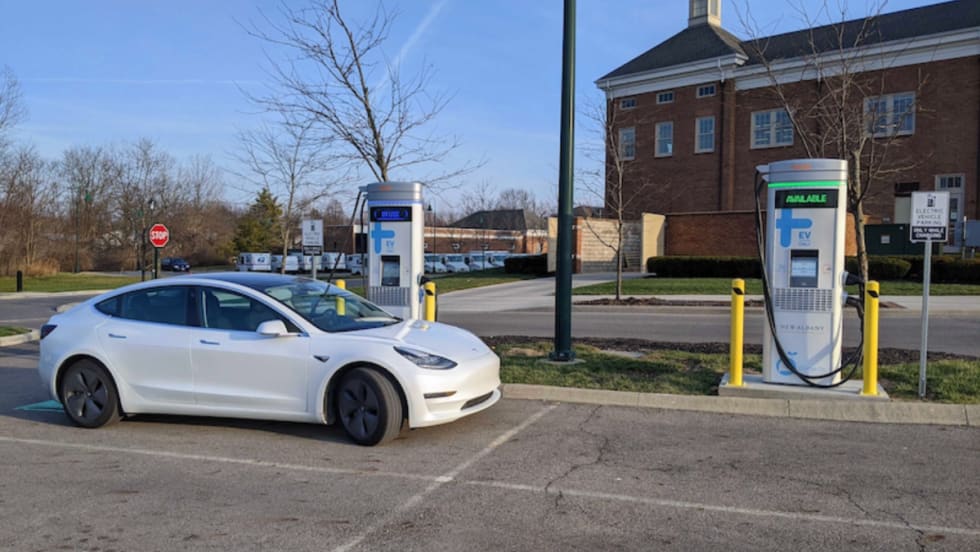
“We know infrastructure can really impact a department’s budget,” Speer said. To help ease the impact on departments, DGS secured funding through a budget change proposal to create a new program responsible for installing electric vehicle charging infrastructure. This new program and funding is used to install electric vehicle charging stations at state facilities in support of departments purchasing zero-emission vehicles (ZEVs).
2. Use Data to Identify Opportunities for Zero-Emission Adoption
The state has already identified the easiest vehicles to transition, but as it continues its fleet conversions, there are more difficult use cases to consider. For example, an inspector with a take-home vehicle may need a plug-in hybrid vehicle since he is driving long distances, but how can his employer ensure he’s properly charging that vehicle? That’s where data about vehicle utilization and charging activity will be necessary.
“We’re really going to need to use data and telematics to either say, ‘You’re right. This vehicle isn’t suitable to be purchased as a zero-emission or plug-in vehicle.’ Or to say, ‘No, I see the use cases and you never drive over 120 miles in any given day. So this should be a battery electric. We have a battery-electric on contract right now that has the range to support you. And oh, by the way, you use it in this area. There’s a DC fast charger right there,’” Speer said.
3. Ensure Agencies Help Each Other to Meet the Overall Goal
The mandate includes light-duty pickups, and because of limited availability, departments with mostly pickup trucks may not be able to comply with the 25% mandate as an individual department. That’s where sedan-heavy departments must pick up the slack, Speer said.
“When we rolled out our zero-emission-vehicle-first purchasing policy, it says, if you’re purchasing a vehicle that has a ZEV available on the statewide contract, the default setting is you purchase that ZEV — regardless of whether your agency has met its 10%, 15%, or 20% purchasing requirement,” he explained. As a result, the state fleet can meet its overall annual ZEV purchasing mandate, even if an individual department fails due to its fleet composition.
In November 2019, the state established a new rule prohibiting state agencies from purchasing sedans solely powered by an internal combustion engine, with an exemption for public safety vehicles.
California state agencies can purchase vehicles such as the Honda Clarity PHEV (pictured)
4. Take Advantage of Available Funding
“We live in California, so we have the benefit of having a lot of resources available to us,” Speer said. DGS ensures departments take advantage of funding from the Clean Vehicle Rebate Project, rebates from utilities, and other grant opportunities.
5. Expand into Medium- and Heavy-Duty Vehicles
As of press time, Speer expected that by the end of 2019 or early 2020, the ZEV- and hybrid-first policy will be expanded to medium- and heavy-duty vehicles.
“If there’s something available and on contract, you purchase that unless you meet one of the applicable exemptions,” he said.
Right now, the state has box trucks as well as cargo vans, passenger vans, and vehicles up to Class 8 on contract. Due to limited product availability, Speer expects low adoption numbers at first, but “as more products become available and the specs of these products better meet our operational needs, our policy is structured in a way that will basically allow it to grow without having to modify the policy.”
6. Collaborate with Other Departments
The hard part about implementing an EV policy is not in mandating agencies to purchase EVs, Speer said. Rather, it’s in getting funding, installing infrastructure, and educating users about the technology.
“Everything that we’ve done, we’ve had to do in conjunction with our DGS Office of Sustainability, our DGS Facilities Management Division, our DGS Procurement Division, and the Department of Finance. It took a lot of collaboration with not only those stakeholders, but also with the agencies that were going to be purchasing these vehicles,” he said. “And if we had done it in a vacuum, and without the high level support of the administration, we wouldn’t have been successful.”
7. Tackle it From Different Angles.
In the latest procurement for ZEVs, DGS asked the dealership to offer an employee discount, and it did. Now, California state employees can get up to a $500 discount if they buy a ZEV for personal use.
“The thought is if we can get employees more comfortable driving these vehicles in their personal lives, then they’ll be more comfortable driving them in their professional lives,” Speer explained.
Another method is to provide a small incentive to employees who decide to purchase a ZEV. One way DGS does that is by providing priority parking access for ZEV drivers. Employee parking at DGS-owned facilities is in high demand, with as many as 9,000 people on the waitlist. To incentivize the adoption of ZEVs by state employees, DGS offers those driving a battery-electric vehicle, a plug-in hybrid electric vehicle, or a fuel cell vehicle priority consideration for parking over the other employees on the waitlist. Additionally, DGS further incentivizes ZEV adoption by providing a discounted parking rate of about half off for all parkers who drive qualifying ZEVs.