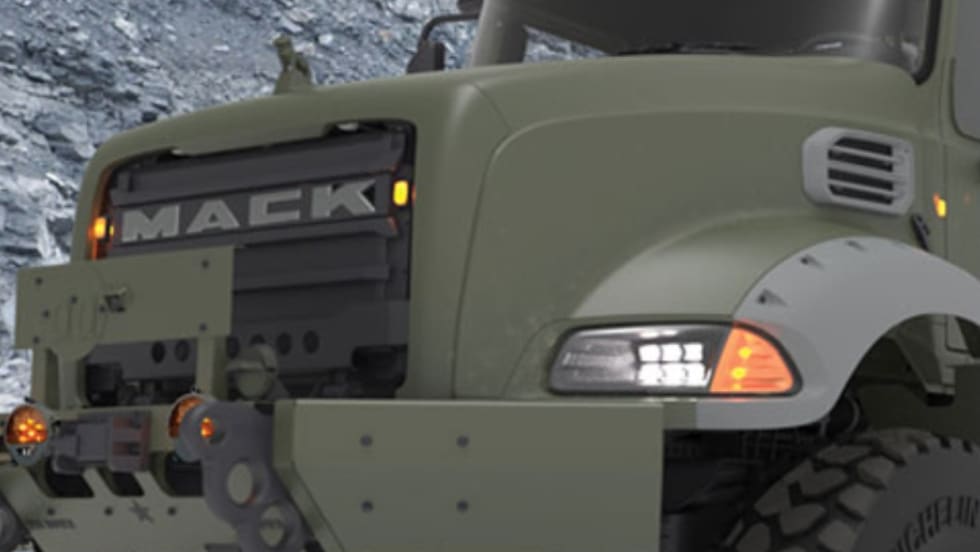
Whether its fire and emergency vehicles, utility trucks, or defense vehicles, government fleets are faced with rigorous conditions that wear down their vehicles’ bodies. To keep a fleet running efficiently and safely, replacement bodies or entirely new vehicles are an unavoidable need.
Government fleet managers seeking long-term solutions for vehicle bodies must navigate the challenge of finding an original equipment manufacturer (OEM) that can meet their specific needs in a timely manner. Researching online and getting referrals is a helpful first step, but that only tells half the tale.
To truly know if an OEM can help your fleet, meet them in person and ask these important questions.
What government contracts has the OEM fulfilled?
When starting the search for a body manufacturer, find an OEM that regularly fulfills government contracts. These OEMs understand the specific procedures and standards required for completing jobs for government fleets, as well as the urgency often associated with these jobs. An OEM with government experience that can deliver on lead times with a high on-time percentage is valuable, but this does not qualify it for every government contract.
Inquiring about past jobs provides insight into an OEM’s capacity and its ability to complete sizable contracts with products that meet required standards. There’s nothing wrong with building three utility truck bodies for a city, but when a government sector is seeking orders of 100 bodies or more, it’s important to find an OEM that has a proven track record of handling substantial orders on time.
What are the OEM’s engineering capabilities?
Ask about an OEM’s engineering capabilities early in the conversation. An OEM should provide access to its engineering team so the buyer has a clear understanding of its entire manufacturing process.
An engineering team that can explain how it overcame past customization challenges — such as placing custom rails on a vehicle or implementing electric capabilities — is a strong indicator of a good OEM. When it comes to building bodies for government vehicles, a cookie-cutter approach is often not an option, as each buyer has different requirements for how the vehicle must perform. Since a vehicle must be safe, comfortable to operate, and effective at meeting specific needs, finding an OEM with the ability to produce a custom solution is crucial.
While custom engineering is important, it doesn’t confirm an OEM’s full capabilities. Ask the team how much of the work is completed in-house. Working with an OEM that has a lean process in place and can deliver the body as complete as possible with limited outsourcing helps to avoid additional costs, longer lead times, and quality issues. The more an OEM can do on-site, such as material fabrication and proper painting and coating, the less likely mistakes will occur that impact the performance of the finished body.
To ensure a quality, custom vehicle body that meets the standards of your government entity, talk to the OEM’s engineering team early on to learn about the company’s in-house capabilities and certifications.
What is the OEM’s warranty claims percentage?
Even the best OEMs aren’t immune to warranty claims. However, claims should be rare on government vehicles. Cities and governments can lose thousands of dollars when a vehicle is pulled from the streets. To avoid potential issues, ask the OEM what percentage of its sales are coming back for warranty claims. Ideally, warranty claims should be less than 1%. This figure provides assurance that the OEM is producing quality vehicles that are less likely to have problems down the road.
As a follow-up to this question, ask about the OEM’s percentage of repeat customers. If warranty claims are an indicator of quality products, then repeat customers are an indicator of a quality experience. An OEM can produce a terrific truck body, but if they provide a poor customer experience, buyers may go elsewhere.
What certifications does the OEM hold?
It’s important to work with an OEM that’s always up to date on its quality management certifications, particularly ISO 9001:2015. This standard from the International Organization for Standardization (ISO) is one of the most widely recognized quality management standards in the world. The current version has been in place since 2015, but some companies may hold certifications from 2008 or earlier. While it’s not a requirement to achieve the current certification, an OEM that updates its quality management system every time a new standard is released shows its commitment to continued improvement in its operations.
An OEM should also have welders who are certified based on the materials they’re welding and the level of welding they are completing. No matter what kind of vehicle body is being purchased, safety is key, and qualified welders ensure that the final product is high quality. If an OEM has a certified welding inspector on staff, that is generally a good indicator the company follows sound welding practices. The welding inspector oversees all of the welders, making sure they are achieving certifications and passing weld inspections. Welders should be tested regularly to make sure their skills match the level of work they’re doing.
The final question
After meeting with an OEM, there is one final question that must be answered, and the only person who can do it is the buyer. That question is: Is the OEM transparent?
Keep in mind that OEMs are not required to disclose all of this information. They don’t have to share their quality management certifications or explain their engineering process. They don’t have to tell you what percentage of their sales are coming back for warranty claims or talk about past jobs.
But they should.
OEMs willing to open up and provide insight into their operations allow government fleet buyers and managers to make decisions that keep their fleets operating at full capacity.

About the Author: Cal Kanowitz is the marketing and dealer development manager at Marion Body Works.


![Is the law on use of force really changing? What is science saying about bias? What can you do to be safer on the job?[|CREDIT|]Photo: Getty Images](https://assets.bobitstudios.com/image/upload/f_auto,q_auto,dpr_auto,c_fill,w_980,h_552/pm.gettyimages-169937496_web_1759886967625_pm6g0r.jpg)